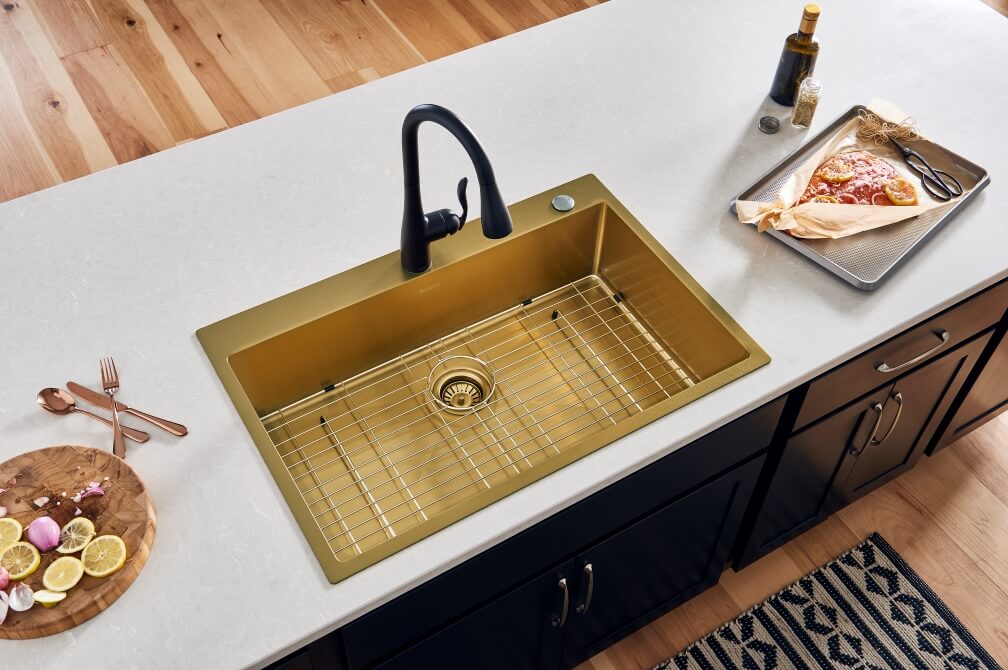
Are you ready to tackle one of the most overlooked yet crucial elements of your kitchen sink? Welcome to the ultimate guide on how to replace a kitchen sink basket strainer. Whether you’re dealing with persistent leaks, slow drainage, or simply want to upgrade your sink’s functionality, mastering this skill is essential for any home improvement aficionado.
Why Your Kitchen Sink Basket Strainer Matters
Your basket strainer is the unsung hero of your kitchen sink, silently protecting your plumbing from food debris and preventing clogs. But when it fails, the consequences can be messy and costly. That’s why knowing how to replace a kitchen sink strainer is a game-changer for any homeowner.
In this comprehensive guide, we’ll walk you through the process of sink strainer replacement step by step. From selecting the right materials to troubleshooting common issues, we’ve got you covered. By the end, you’ll be equipped with the knowledge to:
- Install a sink strainer like a pro
- Upgrade your kitchen drain replacement skills
- Save money on plumbing repairs
- Enhance your sink’s performance and longevity
So, roll up your sleeves and get ready to dive into the world of kitchen sink basket replacement. With Ruvati’s expert tips and high-quality products, you’ll transform this potentially daunting task into a satisfying victory. Let’s turn that drip into a triumph!
Signs Your Kitchen Sink Basket Strainer Needs Replacement
There are several signs that indicate a kitchen sink basket strainer may need to be replaced:
Visible Damage or Corrosion
- Rust or discoloration: Noticeable rust spots or discoloration on the metal parts of the strainer, especially around the rim or drain opening1.
- Cracks or chips: Any visible cracks, chips, or other physical damage to the strainer body or flange.
Leaks and Water Issues
- Water pooling under the sink: Puddles or dampness in the cabinet beneath the sink, indicating a leak from the strainer assembly.
- Slow drainage: Water draining more slowly than usual, which could be due to a partially clogged or damaged strainer.
- Intermittent dripping: A slow, persistent drip from the strainer area when the sink is in use.
Functional Problems
- Loose components: The strainer basket feels loose or wobbles when touched, suggesting worn gaskets or a loosened locknut.
- Difficulty removing or inserting the stopper: If the stopper mechanism is stiff, stuck, or no longer seals properly.
- Recurring clogs: Frequent clogging in the strainer area, which may indicate damage to the strainer’s mesh or openings.
Age and Wear
- Age of installation: If the strainer is more than 5-10 years old, it may be nearing the end of its lifespan, especially if it’s showing other signs of wear.
- Mineral buildup: Excessive mineral deposits or scale that cannot be removed with regular cleaning.
Aesthetic Concerns
- Outdated appearance: If the strainer’s finish no longer matches your updated kitchen decor or other sink fixtures.
If you notice any combination of these signs, it’s likely time to consider replacing your kitchen sink basket strainer. Regular inspection and maintenance can help catch these issues early, preventing more serious plumbing problems down the line.
Tools & Materials You’ll Need
- Slip-joint pliers or spud wrench
- Plumber’s putty or silicone sealant
- Replacement sink basket strainer (stainless steel recommended)
- Adjustable wrench
- Putty knife
- Penetrating oil (for stubborn nuts)
- Bucket and rags
Step 1: Remove the Old Strainer
- Disconnect plumbing: Loosen the coupling nut connecting the drainpipe to the strainer using pliers
- Unscrew the locknut: Turn counterclockwise beneath the sink. If stuck, tap with a hammer/chisel or apply penetrating oil.
- Lift out the old basket strainer: Scrape off old putty or silicone with a plastic putty knife to avoid scratching the sink. Ensure to clean away any excess putty that squeezes out during the removal.
Step 2: Prepare for the New Strainer
- Roll plumber’s putty: Create a ¼” thick rope and press it around the drain hole (use silicone for stone/composite sinks).
- Insert the new strainer: Press firmly into place, ensuring even putty distribution. Wipe away any excess putty from the top.
Step 3: Secure the Assembly
- Attach components: From beneath, slide on the rubber gasket, cardboard friction ring, and lock nut.
- Tighten the lock nut: Use a spud wrench or pliers. Avoid over-tightening to prevent leaks. Use a screwdriver or basket strainer tool to hold the strainer in place while tightening.
Step 4: Reconnect Plumbing
- Reattach the drainpipe: Secure the tailpiece to the P-trap with slip nuts.
- Test for leaks: Run water and check for drips. Tighten connections if needed.
Common Mistakes to Watch Out For
When replacing a kitchen sink basket strainer, there are several common mistakes that people often make. Here are the most frequent errors to avoid:
Improper Sealing
One of the most critical mistakes is failing to create a proper seal between the strainer and the sink. This often occurs due to:
- Using the wrong sealant: Many people mistakenly use silicone instead of plumber’s putty. Plumber’s putty is the preferred choice for most sink installations as it creates a better seal and is easier to work with.
- Applying insufficient putty: Not using enough plumber’s putty can lead to gaps and eventual leaks.
- Improper putty placement: Allowing putty to squeeze out under the sink and get between the rubber gasket and the sink can prevent a proper seal.
Installation Errors
Several mistakes can occur during the installation process:
- Over-tightening: Excessive force when tightening the locknut can crack the sink or damage the strainer, especially with plastic components.
- Misalignment: Failing to properly align the strainer can lead to difficulties connecting the tailpiece and potential leaks.
- Incorrect assembly order: Not following the correct sequence when assembling the components (rubber washer, friction ring, locknut) can compromise the seal.
Neglecting to Check for Leaks
A crucial step often overlooked is thoroughly testing for leaks after installation:
- Insufficient testing: Failing to run water and check all connections for drips or slow leaks can lead to water damage over time.
Poor Quality Materials
Choosing low-quality components can lead to premature failure:
- Cheap plastic parts: Opting for inexpensive plastic strainers or stoppers that can crack or lose sealing ability when exposed to hot water.
- Incompatible materials: Using materials not suited for your sink type (e.g., using plumber’s putty on certain stone or composite sinks where silicone is required).
Neglecting Existing Plumbing
Some people make the mistake of:
- Not inspecting surrounding plumbing: Failing to check and potentially update old or worn connecting pipes and gaskets.
- Ignoring venting issues: Not considering potential venting problems that could cause drainage issues even with a new strainer.
By avoiding these common mistakes and taking the time to properly install your kitchen sink basket strainer, you can ensure a leak-free and long-lasting result.
Pro Tips for Success
- Avoid leaks: Ensure the cardboard friction ring sits between the rubber gasket and locknut to prevent twisting.
- Upgrade your strainer: Opt for a spin-lock mechanism for easier maintenance.
- Prevent clogs: Pair your new strainer with a mesh drain catcher for food scraps.
FAQs
- How do I stop the basket from spinning while tightening?
Insert a screwdriver into the strainer’s crossbars or use a specialized basket strainer tool.
- Can I reuse old putty?
No—always use fresh plumber’s putty or silicone for a watertight seal.
- What if the lock nut won’t budge?
Apply penetrating oil, wait 10 minutes, then tap gently with a hammer and chisel.
- Stainless steel vs. plastic strainers?
Stainless steel lasts longer and resists heat damage from hot water.
Final Checks
After installing a kitchen sink strainer, run hot water to test drainage and inspect for leaks. A properly installed sink basket assembly ensures years of hassle-free use—no plumber required!
Need more help? Explore video tutorials for visual guidance on how to replace a kitchen sink drain assembly.