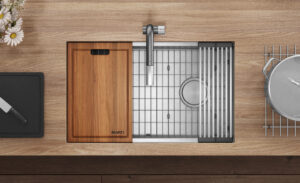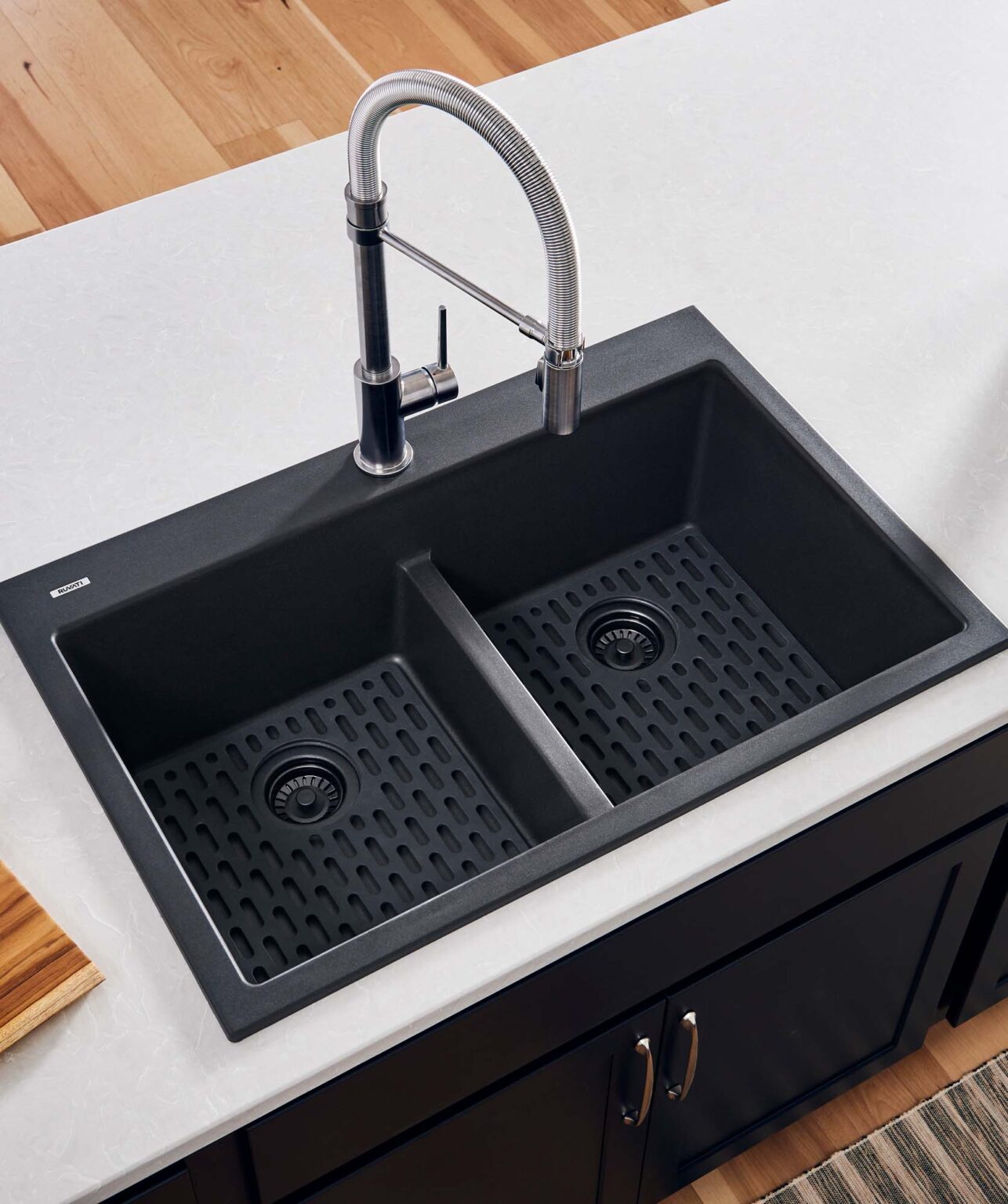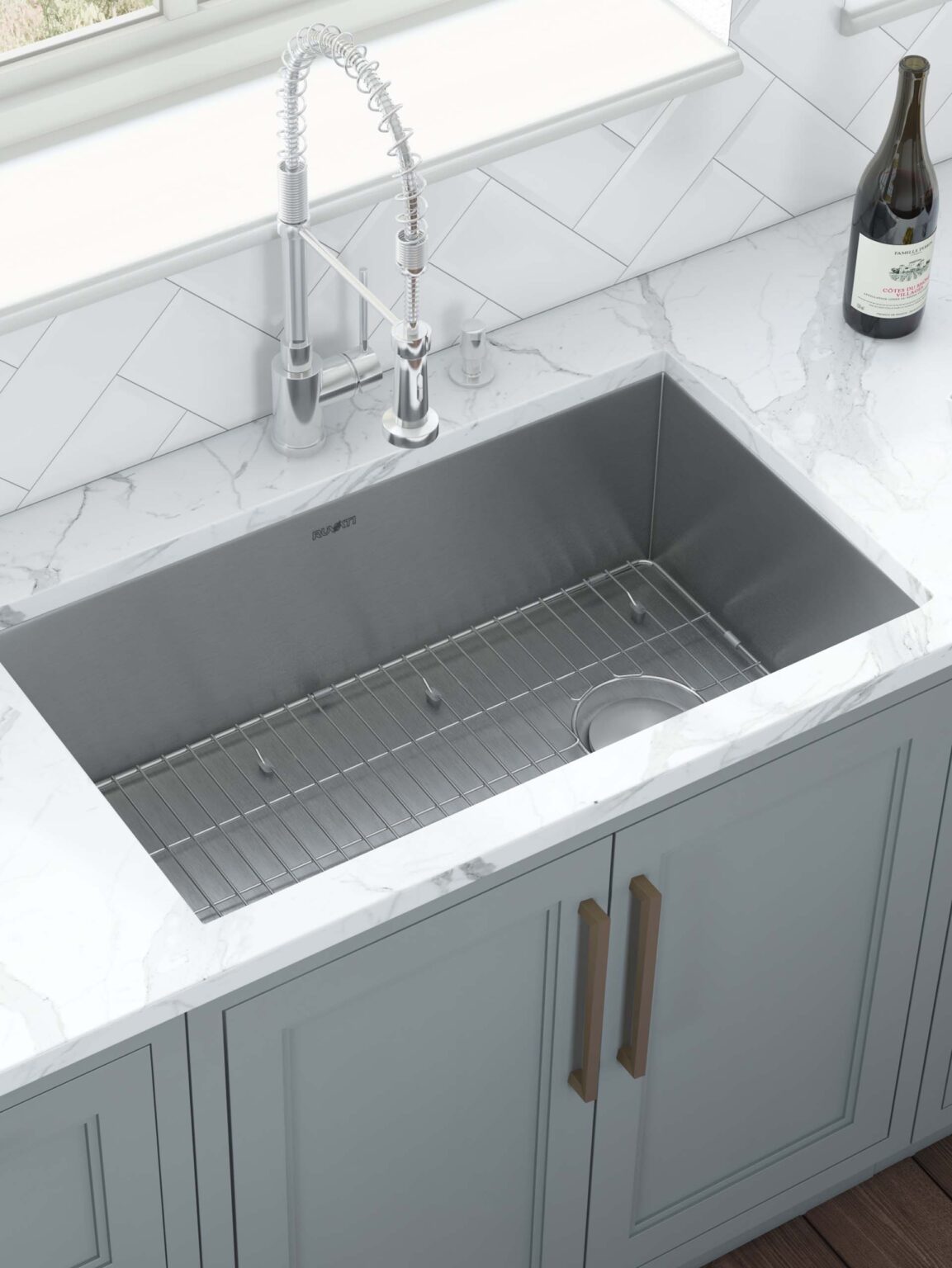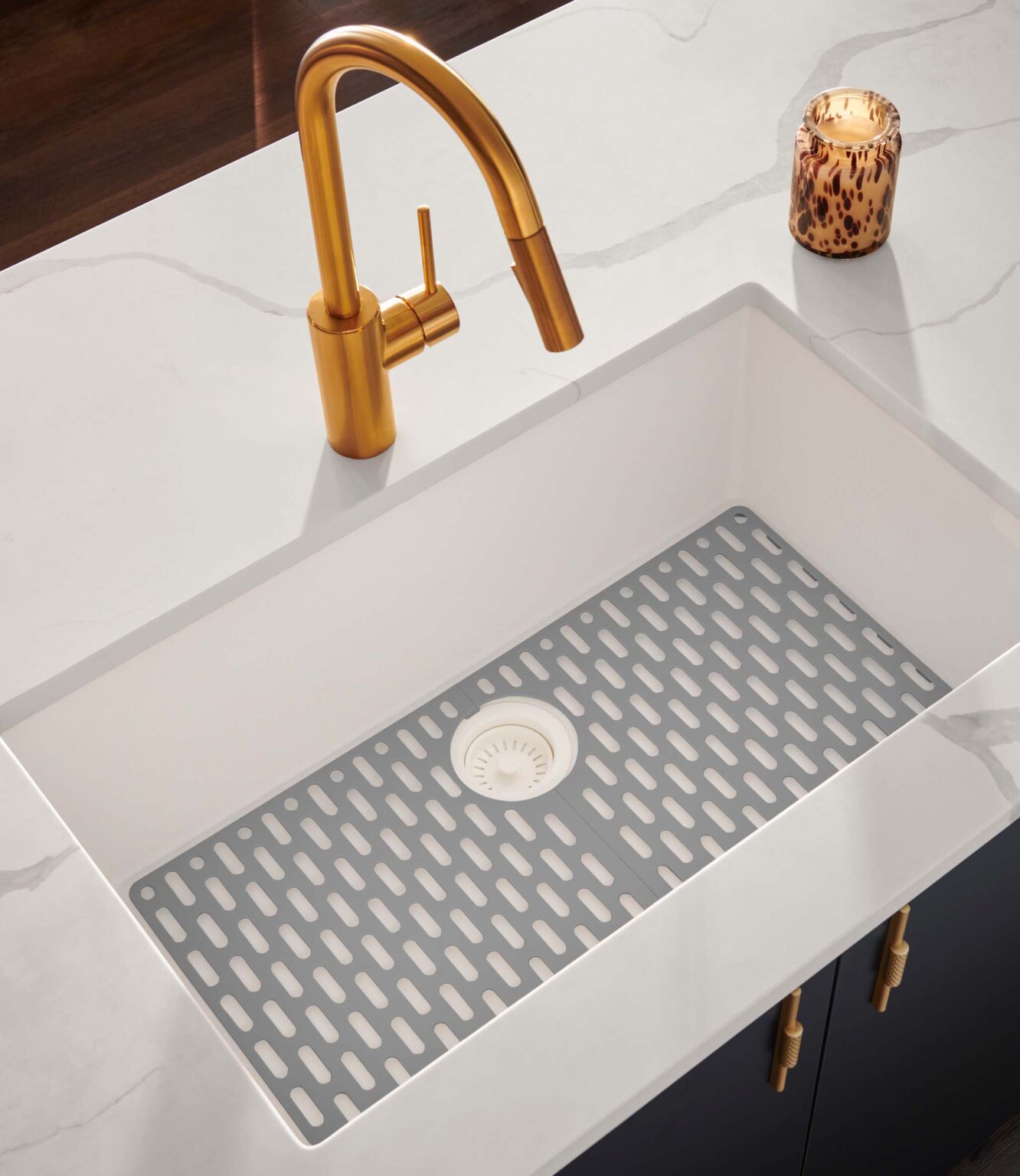
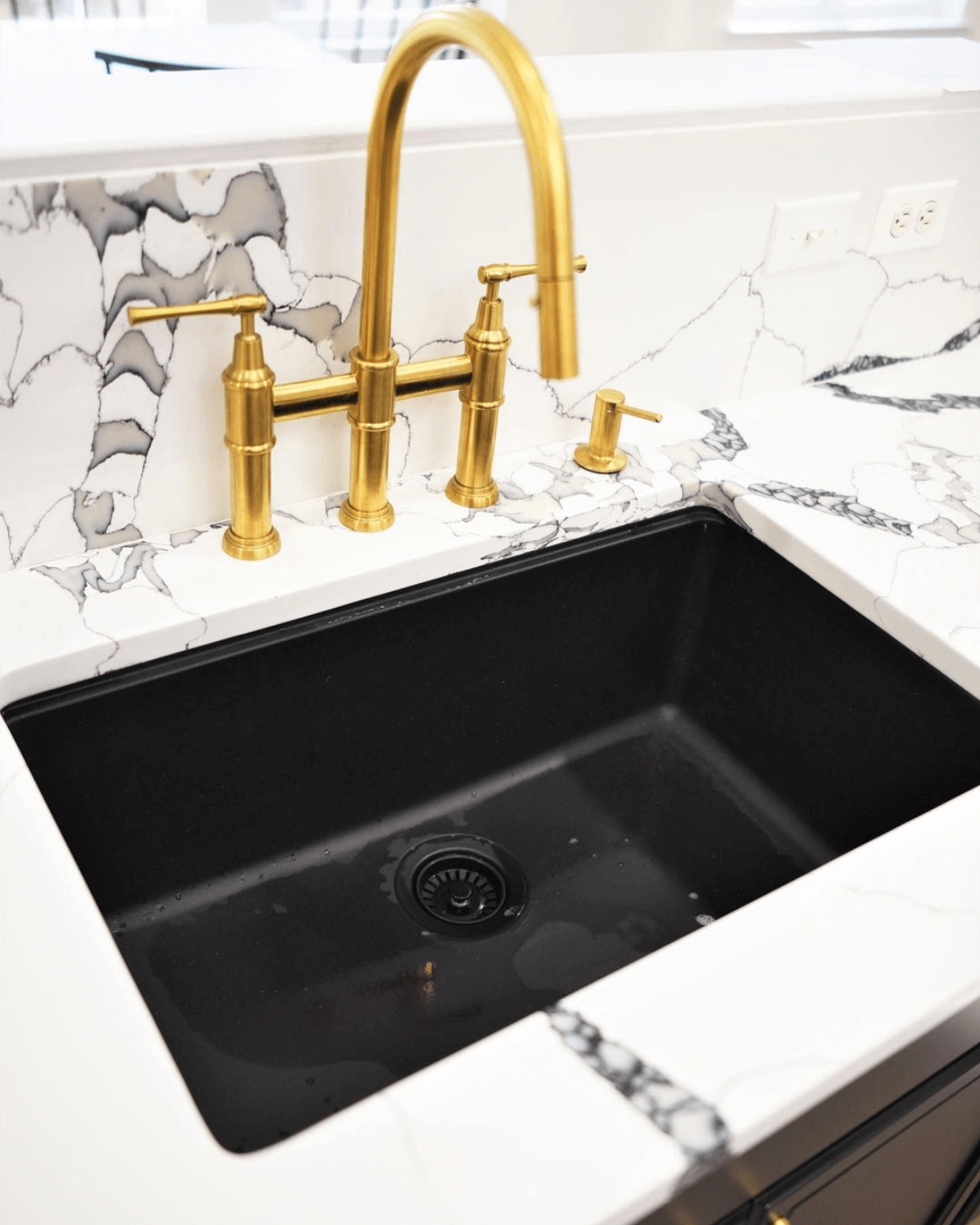
Low divide kitchen sinks are gaining popularity among homeowners seeking a versatile, functional, and stylish option for their culinary spaces. A low divider sink features a divider that stops short of the sink’s top, combining the benefits of both single and double basin sinks. There are various sink styles available, including low divide sinks, each offering unique features and enhancing kitchen functionality. In this article, we’ll explore the benefits, potential drawbacks, and cleaning tips for these innovative sinks, helping you determine if a low divide sink is the perfect fit for your kitchen.
Types of Bathroom Sink Faucets
Numerous faucet styles are available to cater to various needs, tastes, and design preferences:
- Bathroom Sink Faucets: Specifically designed for bathroom sinks, these faucets often feature a compact design and a wide range of styles, finishes, and handles. Centerset faucets are a popular choice for their easy installation and versatility, with the spout and handles combined on a single base. Traditional styles of bathroom sink faucets are also available, offering classic designs that can complement a variety of bathroom decors.
- Widespread Faucets: With separate hot and cold handles and a spout, widespread faucets offer more flexibility in design and installation, especially for larger sinks.
- Single-Hole Faucets: These faucets require just one hole in the sink or countertop and feature a single handle to control water temperature and flow. Their sleek, minimalist design makes them a popular choice for modern bathrooms.
Materials and Finishes: Polished Nickel, Form and Function Meet Style
Faucets are crafted from various materials and finishes, each providing unique benefits and visual appeal. Popular options include:
- Stainless Steel: Known for its durability, corrosion resistance, and sleek appearance, stainless steel faucets offer a modern, professional look.
- Brass: A classic choice for faucets, brass offers excellent corrosion resistance, strength, and longevity, making it a popular choice among homeowners and designers alike.
- Bronze: Bronze faucets provide a warm, inviting aesthetic, with various finishes available to suit different design preferences.
Common finishes for bathroom sink faucets include chrome, brushed nickel, matte black, and oil-rubbed bronze. In comparison, kitchen faucets often feature similar materials and finishes, with additional options like pull-down capabilities and spray functions. Select a material and finish that complements your sink, vanity, and overall bathroom design.
FAQs
-
What is a Sink Faucet?
A sink faucet is a device that controls the flow of water into a sink, allowing users to adjust the temperature and flow rate.
-
What is the difference between tap and a faucet?
“Tap” generally refers to the mechanism controlling the water flow, while “faucet” encompasses the entire fixture, including the spout and handle(s).
-
What are the main types of bathroom sink faucets?
Common types of bathroom sink faucets include centerset, widespread, and single-hole faucets, each with unique features and designs to suit different needs and preferences.
-
What is a sink faucet valve?
A sink faucet valve is a component that regulates water flow and temperature by opening, closing, or mixing hot and cold water supplies.
By understanding the various types of bathroom sink faucets and their features, you can make an informed decision when selecting the perfect faucet for your space. Explore the wide range of high-quality, stylish faucets offered by reputable brands like Ruvati to find the ideal fit for your bathroom and lifestyle. Kitchen faucets also come in a variety of finishes, such as stainless steel, chrome, and brushed nickel, to match different kitchen designs and preferences.