Are you tired of cluttered countertops and unsightly dish drying racks? It’s time to explore the world of foldable drying racks and sinks with built-in drying racks. These ingenious solutions not only save space but also enhance the functionality and aesthetics of your kitchen.
Benefits of Using a Dish Drying Racks
Using a dish drying rack can bring numerous benefits to your kitchen. A dish drainer can be an excellent space-saving solution for drying dishes, keeping your kitchen organized and clutter-free. For one, it helps to maximize counter space by providing a dedicated area for drying dishes, keeping them organized and out of the way. This is especially useful for small kitchens or those with limited counter space. Additionally, a dish drying rack can help to prevent water spots and mineral deposits on your dishes by allowing them to air dry. This can also help to reduce the risk of bacterial growth and keep your dishes clean and hygienic.
Furthermore, a dish drying rack can be a space-saving solution for drying delicate items such as glassware, fine china, and utensils. It can also be used to dry oddly shaped items that may not fit in a traditional dish rack. Some dish drying racks come with additional features such as a utensil holder, wine glass holder, and drip tray, making them a convenient and practical addition to any kitchen.
Choosing the Right Dish Rack
Choosing the best dish rack can be a daunting task, especially with the numerous options available in the market. When selecting a dish rack, consider the size of your kitchen and the amount of counter space you have available. If you have limited space, consider a compact or wall-mounted dish rack that can be easily installed and removed when not in use.
Another important factor to consider is the material of the dish rack. Look for a dish rack made from high-quality, durable materials such as stainless steel, silicone, or bamboo. These materials are easy to clean, resistant to rust and corrosion, and can withstand heavy use.
It’s also essential to consider the features you need in a dish rack. Do you need a utensil holder or a wine glass holder? Do you prefer a dish rack with a drain spout or a drip tray? Consider your specific needs and choose a dish rack that meets them.
Key Features to Look for in a Dish Rack
When shopping for a dish rack, there are several key features to look for. Here are some of the most important ones:
- Material: Look for a dish rack made from high-quality, durable materials such as stainless steel, silicone, or bamboo.
- Size: Consider the size of your kitchen and the amount of counter space you have available. Choose a dish rack that fits comfortably in your kitchen.
- Features: Consider the features you need in a dish rack, such as a utensil holder, wine glass holder, drain spout, or drip tray.
- Consider a sink dish design that fits over the sink to save counter space and enhance kitchen organization.
- Ease of cleaning: Look for a dish rack that is easy to clean and maintain. A dish rack with a removable tray or a smooth surface can make cleaning a breeze.
- Durability: Choose a dish rack that is built to last. Look for a dish rack with a sturdy construction and a durable finish.
Dish Rack Materials and Durability
When it comes to choosing a dish rack, the material and durability are crucial factors to consider. A good dish rack should be made from high-quality materials that can withstand the rigors of daily use. Here are some common materials used in dish racks and their characteristics:
- Stainless Steel: Stainless steel dish racks are durable, resistant to corrosion, and easy to clean. They are also resistant to scratches and can withstand high temperatures, making them a long-lasting choice for any kitchen.
- Silicone: Silicone dish racks are flexible, soft to the touch, and easy to clean. They are also resistant to heat and can be folded for easy storage, making them a versatile option for those with limited counter space.
- Plastic: Plastic dish racks are lightweight, easy to clean, and affordable. However, they may not be as durable as stainless steel or silicone dish racks, and they can be prone to staining and wear over time.
- Bamboo: Bamboo dish racks are eco-friendly, lightweight, and easy to clean. They are also resistant to scratches and can withstand high temperatures, offering a natural and sustainable option for your kitchen.
When choosing a dish rack, look for one that is made from high-quality materials and has a sturdy construction. A good dish rack should be able to hold a significant amount of weight without collapsing or breaking, ensuring it can handle all your dish drying needs.
Organizing Your Dish Racks
Organizing your dish rack can help you maximize your counter space and make cleaning up easier. Here are some tips to help you organize your dish rack effectively:
- Use a Dish Rack with Multiple Tiers: A dish rack with multiple tiers can help you separate your dishes, glasses, and utensils, making it easier to clean and organize. This design also allows you to dry more items without taking up too much counter space.
- Utilize a Utensil Holder: A utensil holder can help you keep your utensils organized and within reach. This feature prevents smaller items from getting lost among larger dishes and makes it easier to find what you need.
- Incorporate a Wine Glass Holder: A wine glass holder can help you keep your wine glasses organized and prevent them from getting broken. This is especially useful for those who frequently hand wash delicate glassware.
- Add a Drip Tray: A drip tray can help you catch any water that drips from your dishes, making it easier to clean up. This feature prevents water from pooling on your counter and keeps your kitchen looking tidy.
- Opt for a Dish Rack with a Built-in Drain: A dish rack with a built-in drain can help you drain water from your dishes, making it easier to clean up. This design ensures that water flows directly into the sink, reducing the risk of water damage to your countertops.
By organizing your dish rack, you can make cleaning up easier and more efficient. You can also maximize your counter space and keep your kitchen looking tidy and organized.
Cleaning and Maintenance
Cleaning and maintaining your dish rack is important to prevent the growth of bacteria and mold. Here are some tips to help you clean and maintain your dish rack:
- Clean Your Dish Rack Regularly: Clean your dish rack regularly with soap and water to prevent the growth of bacteria and mold. Regular cleaning ensures that your dish rack remains hygienic and safe for drying your dishes. Our care and cleaning guide can help you keep your kitchen accessories clean.
- Dry Your Dish Rack Thoroughly: Dry your dish rack thoroughly after cleaning to prevent water spots and mineral deposits. This step helps maintain the appearance and functionality of your dish rack.
- Use a Soft Cloth: Use a soft cloth to clean your dish rack to prevent scratches and damage. Gentle cleaning methods help preserve the integrity of the materials.
- Avoid Using Abrasive Cleaners: Avoid using abrasive cleaners or scrubbers to clean your dish rack, as they can damage the material. Stick to mild detergents and soft sponges for the best results.
- Check for Rust or Corrosion: Check your dish rack regularly for rust or corrosion, and replace it if necessary. Keeping an eye on the condition of your dish rack ensures it remains safe and effective for daily use.
By cleaning and maintaining your dish rack regularly, you can prevent the growth of bacteria and mold and keep your kitchen looking tidy. A well-maintained dish rack not only enhances the functionality of your kitchen but also contributes to a healthier living environment.
The Rise of Foldable Dish Drying Racks
Foldable drying racks have become increasingly popular in modern kitchens. These versatile tools offer several advantages:
- Space-saving design: When not in use, they can be easily folded and stored away, freeing up valuable counter space.
- Flexibility: Use them only when needed, perfect for small kitchens or occasional use.
- Portability: Ideal for outdoor events, camping, or moving between different areas of the kitchen.
Many foldable drying rack designs feature durable materials like stainless steel or silicone, ensuring longevity and easy cleaning. Some models even come with additional features like utensil holders or expandable sections for larger items.
Unique to Ruvati
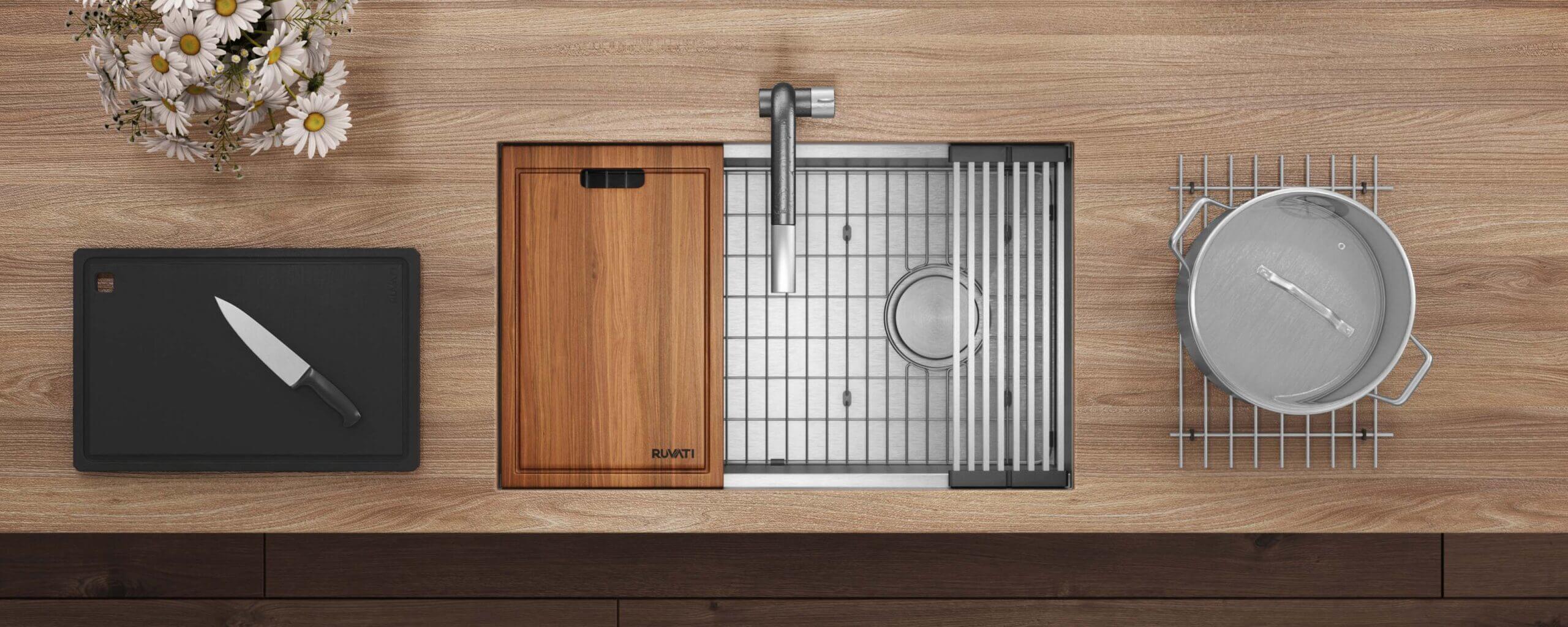
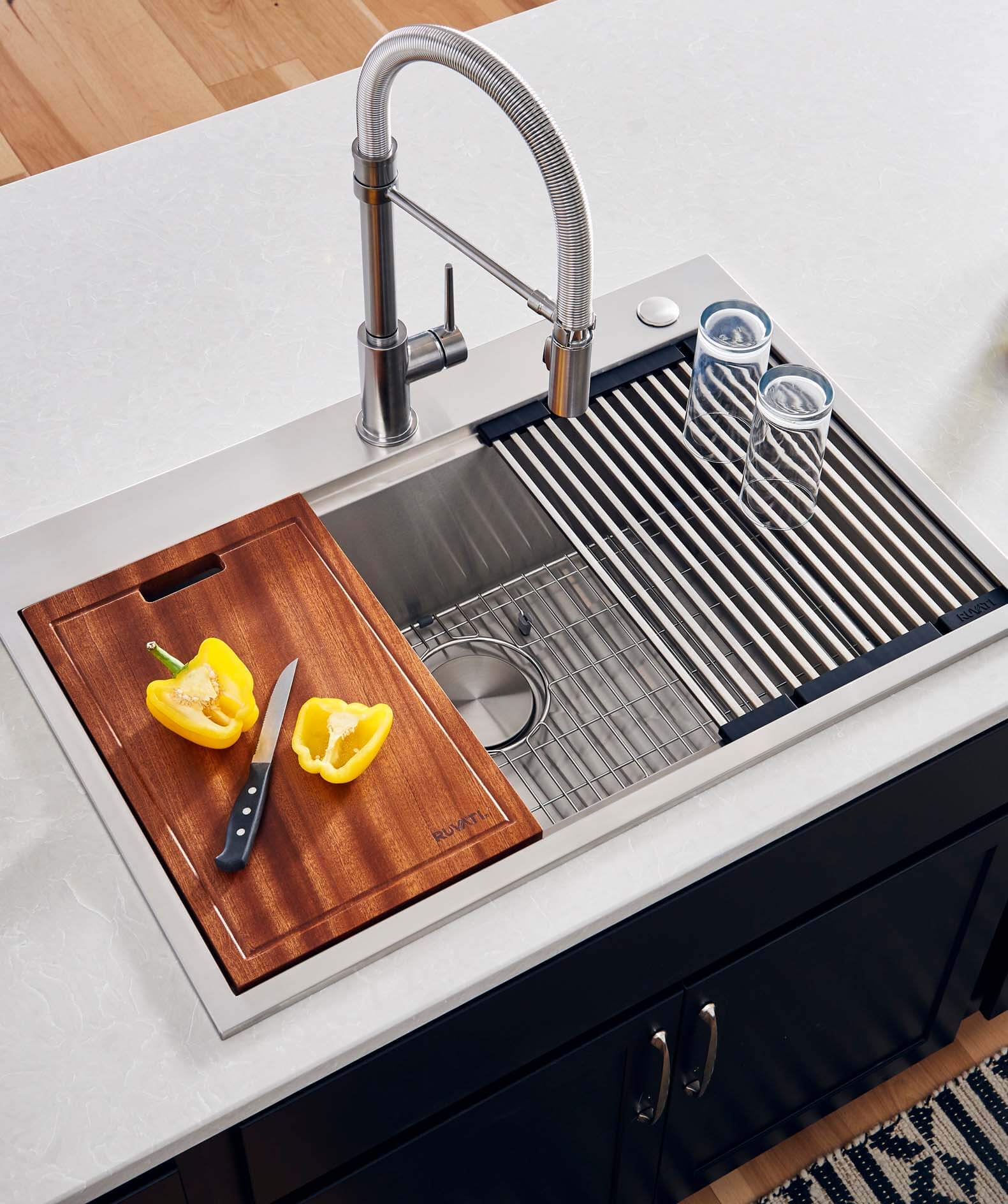
As workstation sinks continue to evolve, so do their accessories. At Ruvati, we created a patented product that takes the typical workstation roll-up rack to the next level. The improved design of our foldable drying rack is far more functional and heavy duty. You can use it for drying dishes on top of your sink or as a platform to place a pot as you fill it up with water. With Ruvati’s foldable drying rack, you can do a lot more on your sink.
Built-in Space Saving Drying Racks: The Future of Kitchen Sinks
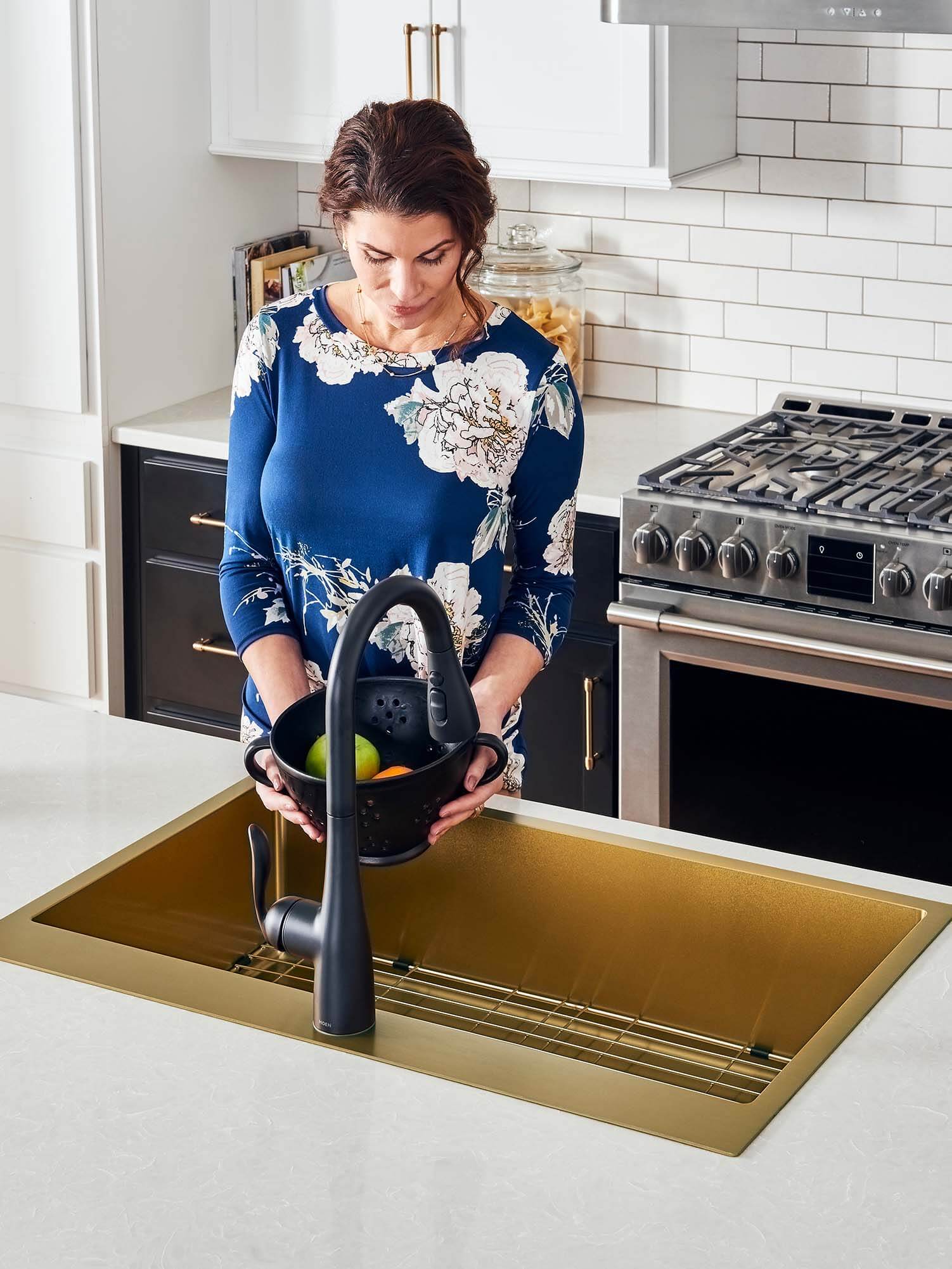
For those seeking a more permanent solution, kitchen sinks with built-in drying racks are revolutionizing kitchen design. These innovative fixtures offer:
- Seamless integration: The drying rack becomes part of the sink, creating a cohesive look.
- Improved drainage: Water from drying dishes flows directly into the sink, preventing countertop puddles.
- Customization: Many designs allow for removable or adjustable racks to suit different needs.
Maximizing Counter Space with Dish Racks
Dish racks can be a great way to maximize counter space in your kitchen without taking up too much space. Here are some tips for using a dish rack to free up counter space:
- Choose a compact dish rack that fits comfortably in your kitchen.
- Consider a wall-mounted dish rack that can be easily installed and removed when not in use.
- Use a dish rack with a utensil holder or a wine glass holder to keep these items organized and out of the way.
- Look for a dish rack with a drip tray or a drain spout to prevent water from accumulating on your counter.
- Consider a dish rack with a foldable or collapsible design that can be easily stored when not in use.
By following these tips, you can use a dish rack to maximize counter space in your kitchen and keep your dishes organized and clean.
Over the Sink Models: Drying Rack Kitchen Sink Ideas
When considering a kitchen redesign, explore these drying rack kitchen sink ideas:
- Roll-up racks: These over the sink models fit over the sink and can be rolled up when not in use.
- Pull-out racks: Hidden within the cabinetry, these extend when needed.
- Tiered sink designs: Multiple levels within the sink provide space for washing and drying.
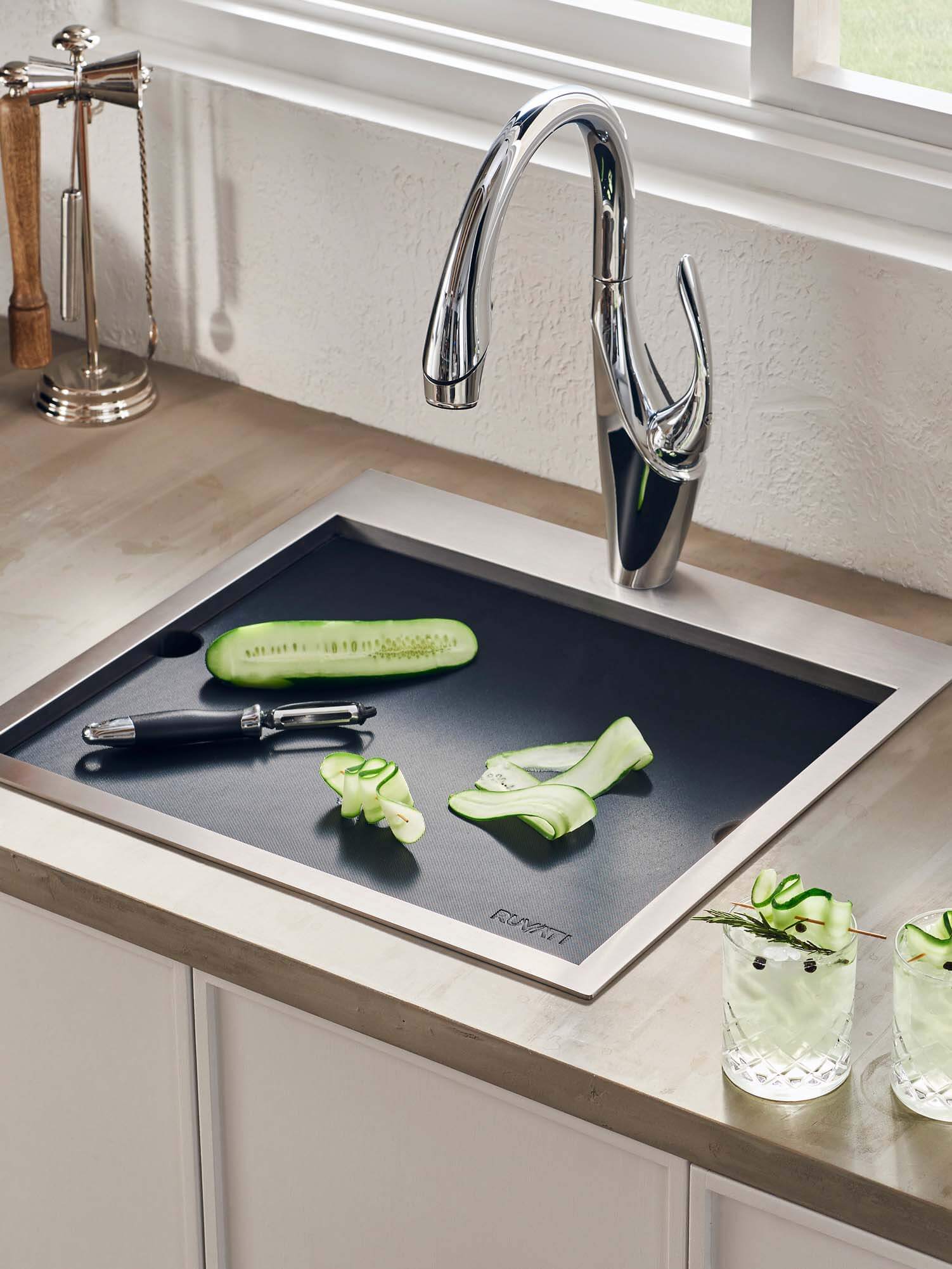
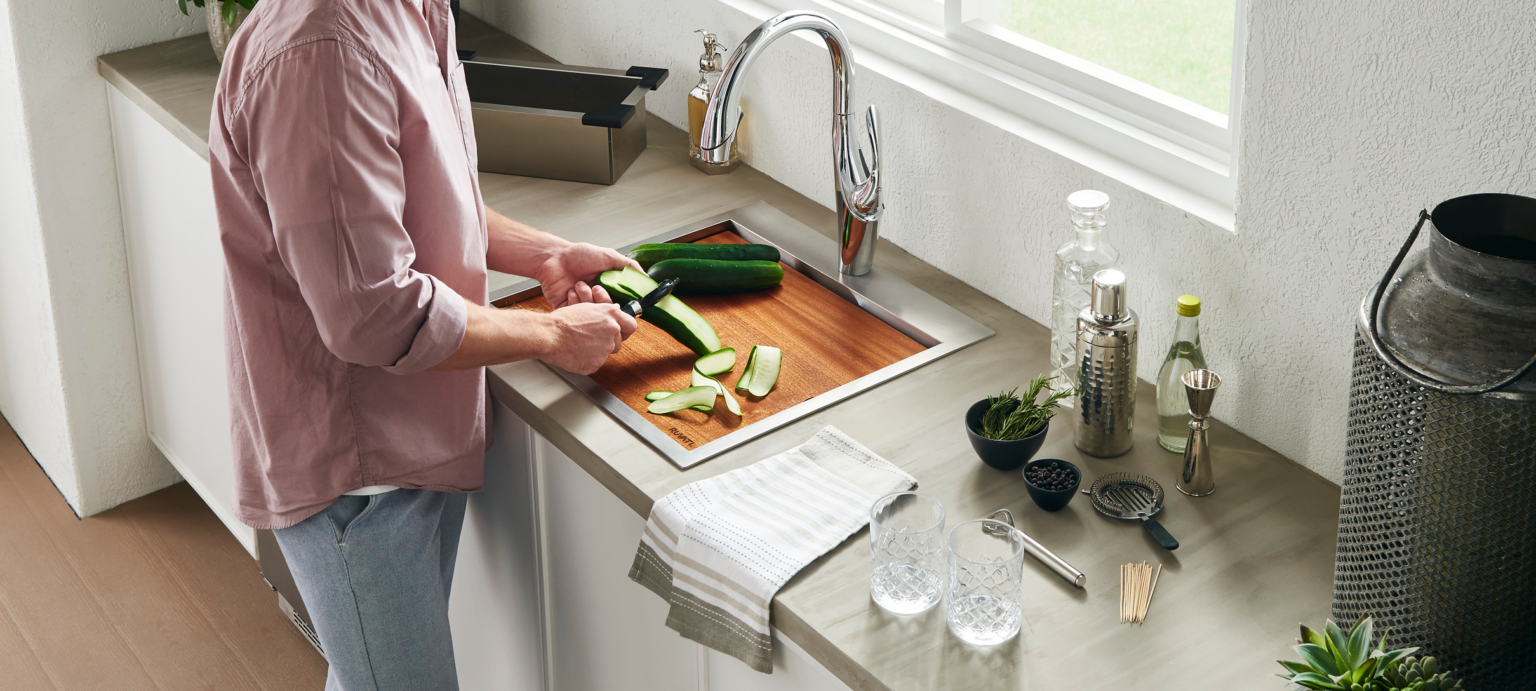
- Integrated cutting boards: Some designs incorporate cutting boards that double as drying surfaces.
FAQs: Kitchen Sinks with Built-in Drying Racks
1. Are built-in drying racks difficult to clean?
Most built-in racks are designed for easy cleaning, often made of materials like stainless steel that resist bacteria and are dishwasher safe.
2. Can I retrofit my existing sink with a built-in drying rack?
While some aftermarket solutions exist, it’s generally best to install a new sink designed with an integrated rack for optimal performance and aesthetics
3. Do built-in drying racks affect the sink’s capacity?
Some designs may slightly reduce sink capacity, but many are cleverly engineered to maximize space efficiency.
By incorporating these innovative drying rack solutions into your kitchen, you can enhance both functionality and style. Whether you opt for a versatile foldable drying rack or a sleek sink with a built-in drying rack, these modern designs will transform your kitchen experience, making dish drying a breeze while keeping your space clutter-free and organized.