TL;DR
How to unclog a Sink Drain?
Unclog a sink drain by pouring boiling water to loosen debris. Follow with a mixture of baking soda and vinegar, letting it sit for 10-15 minutes. Flush with hot water. For stubborn clogs, use a plunger or a plumber’s snake to remove the blockage manually.
This is the short answer, read on to learn more effective ways to unclog your sinks for faster draining.
Is your dream home being sabotaged by lurking plumbing nightmares? Imagine waking up to a flooded bathroom or kitchen, all because of neglected drains. Don’t let this nightmare become your reality!
Maintaining pristine plumbing is the unsung hero of home design. While we often focus on aesthetics, the hidden network of pipes beneath our stylish fixtures deserves just as much attention. Regular drain cleaning isn’t just a chore—it’s a crucial step in preserving your home’s beauty and functionality.
In this essential guide, we’ll unveil the secrets to keeping your drains flowing freely, ensuring your home remains as stunning as the day you designed it. From kitchen sinks to shower drains, we’ll explore the perfect cleaning schedule for each type of drain in your home. Get ready to transform your approach to home maintenance and say goodbye to plumbing woes forever!
Common Causes of Clogged Sinks
Before we dive into the solutions, let’s understand why your sink might be clogged, whether it’s a clogged bathroom or kitchen sink or a clogged sink drain:
- Hair and soap scum (especially in bathroom sinks)
- Food particles and grease (common in kitchen sinks)
- Foreign objects
- Mineral buildup
Now, let’s explore the best ways to unclog your sink drain.
Preparation and Safety Precautions
Before attempting to unclog your sink, it’s essential to take some preparation and safety precautions to avoid any potential hazards. Here are some steps to follow:
- Turn off the water supply: Locate the shut-off valves under the sink and turn them clockwise to shut off the water supply to the sink. This prevents any accidental flooding while you work on the drain.
- Put on protective gear: Wear rubber gloves and safety goggles to protect yourself from any harsh chemicals or sharp objects that might be lurking in the drain.
- Clear the area: Remove any clutter or obstructions around the sink to give you better access to the drain. This will make the process smoother and safer.
- Check for electrical appliances: If you have a garbage disposal or other electrical appliances connected to the sink, unplug them to avoid any electrical shocks. Safety first!
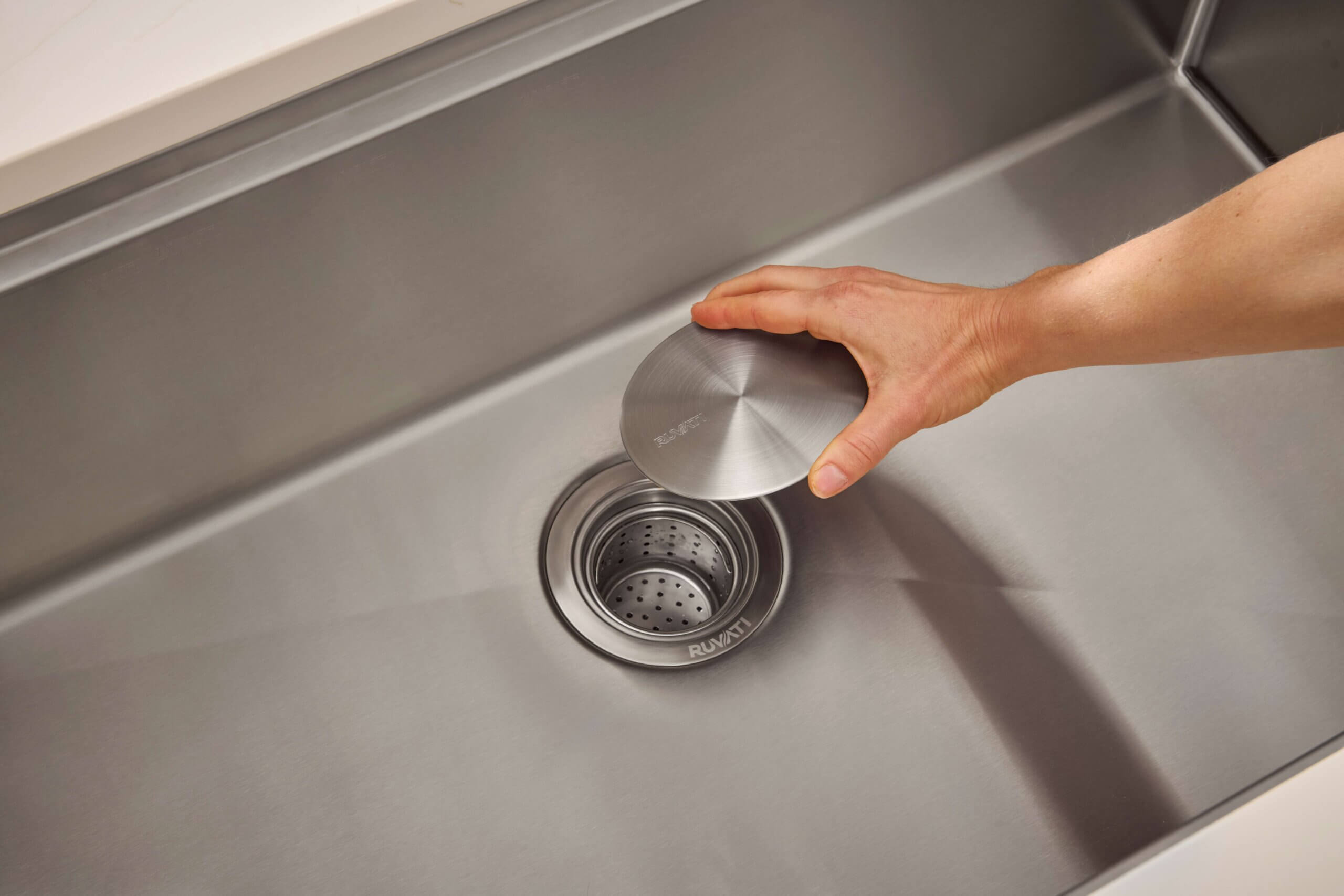
- Use a drain screen: Consider using a drain screen or filter to catch any hair or debris that may be causing the clog. This can also help prevent future clogs by catching debris before it enters the drain.
Method 1: Boiling Water
The simplest method to unclog a sink is using boiling water.
- Boil a pot of water
- Carefully pour it down the drain in stages
- Run hot tap water to check if the clog is cleared
This method works well for minor clogged drains caused by soap scum and grease.
Method 2: Plunger Power
A plunger can be highly effective for unclogging sinks.
- Fill the sink with a few inches of water
- Place the plunger over the drain opening, ensuring a tight seal
- Pump vigorously several times
- Remove the plunger and check if water drains
Method 3: Baking Soda and Vinegar
This natural method is excellent for unclogging both kitchen and bathroom sinks.
- Remove standing water from the sink
- Pour 1/2 cup of baking soda down the drain
- Follow with 1/2 cup of white vinegar
- Cover the drain with a drain stopper
- Wait 15 minutes, then flush with hot water
Method 4: Use a Drain Snake
For stubborn clogs, a drain snake or auger can be very effective.
- Insert the snake into the drain
- Turn the handle to feed the cable further
- When you feel resistance, you’ve reached the drain clog
- Rotate the snake to break up the clog
- Withdraw the snake and flush with hot water
Method 5: Disassemble the P-Trap
If the above methods don’t work, the clog might be in the P-trap.
1. Place a bucket under the P-trap
2. Unscrew the slip nuts at both ends
3. Remove the P-trap and clean out any debris
4. Reassemble and run water to check for leaks
How to Unclog a Sink with Standing water?
Unclog a sink with standing water by using a plunger to create suction. Ensure the sink overflow is sealed with a wet cloth for better results. If the clog persists, remove water manually, pour a baking soda and vinegar mixture into the drain, let it sit, and flush with boiling water.
Chemical Drain Cleaners and Other Options
Chemical drain cleaners can be effective in clearing clogs caused by build-up, but they can also be harsh on your pipes and the environment. Here are some alternative options to consider:
- Baking soda and vinegar: This natural combination can help break down and dissolve any blockages in your drain. Simply pour 1/2 cup of baking soda down the drain, followed by 1/2 cup of white vinegar. Cover the drain with a stopper, wait 15 minutes, and then flush with hot water.
- Enzyme-based cleaners: These cleaners use natural enzymes to break down organic matter and can be a safer alternative to chemical drain cleaners. They are particularly effective for maintaining clear drains over time.
- Drain snakes: A drain snake, also known as an auger, can be used to physically remove any blockages in your drain. Insert the snake into the drain, turn the handle to feed the cable further, and rotate to break up the clog.
- Hot water: Pouring hot water down the drain can help dissolve any grease or debris that may be causing the clog. This is a simple and effective method for minor clogs.
Preventive Measures
Use Drain Screens
Install mesh drain screens or guards in your kitchen and bathroom sinks. These catch hair, food particles, and other debris before they enter the drain, preventing clogs from forming.
Regular Maintenance
- Perform a Hot Water Flush by pouring a kettle of boiling water down your kitchen sink drains once a week. This helps melt away grease and fat that may have collected inside the pipes.
- Baking Soda and Vinegar Treatment
Use this natural cleaning method monthly:
- Pour 1/2 cup of baking soda down the drain
- Follow with 1/2 cup of white vinegar
- Cover the drain and wait 15 minutes
- Flush with hot water.
Proper Disposal Practices
- Avoid Grease: Never pour cooking oils or grease down the drain. Instead, collect them in a container and dispose of them in the trash.
- Be Mindful of Food Scraps: Scrape food scraps into the trash before rinsing dishes. If you have a garbage disposal, avoid putting problematic foods like banana peels, coffee grounds, and eggshells down the drain.
- Use Dish Soap: You can periodically clean your drains with dish soap by following a few easy steps:
1. Pour a few tablespoons of dish soap (preferably Dawn) down the drain
2. Let it sit for a few minutes
3. Fill the sink with cold water
4. Release the water to flush away loosened grease and grime.
Additional Tips
- Run water for about 30 seconds daily to keep drains free of debris
- For garbage disposals, run cold water while using and for 5 seconds after use
- Clean drain stoppers regularly to remove hair and soap scum buildup
If you implement these simple methods consistently, you can significantly reduce the likelihood of clogs forming in your sink drains and maintain smooth-flowing pipes.
Drain Maintenance
To prevent clogs and maintain healthy plumbing, you should clean your drains regularly. Here are some helpful tips.
Kitchen Drains
Kitchen drains are particularly prone to clogs due to food particles, grease, and soap residue.
· Weekly maintenance: Pour very hot water down the kitchen sink drain at least once a week to prevent buildup.
· Monthly cleaning: Clean kitchen drains every 4-6 months to prevent grease and food buildup.
· For heavy use: If you cook frequently, consider cleaning every 2-3 weeks.
Bathroom Drains
Bathroom drains often accumulate hair, soap scum, and other debris.
· Monthly maintenance: Remove hair and debris using a drain cleaning tool as part of your regular bathroom cleaning routine.
· Deep cleaning: Clean bathroom drains every 3-4 months to handle hair and soap scum buildup.
General Drain Maintenance
For all drains in your home:
· Monthly cleaning: Use a mixture of baking soda and vinegar followed by hot water to clean and deodorize drains16.
· Annual professional cleaning: Schedule a professional drain cleaning service at least once a year, even if you don’t notice any issues.
The frequency of cleaning may vary based on your household size, usage patterns, and the condition of your plumbing system. If you notice slow drainage or bad odors, increase the cleaning frequency or consult a professional plumber.
Troubleshooting Common Issues
Here are some common issues you may encounter when trying to unclog your sink, and some troubleshooting tips to help you resolve them:
- Clogged garbage disposal: If your garbage disposal is clogged, try running cold water through it while it’s running, or using a disposal cleaning product. If the clog persists, you may need to manually remove the blockage.
- Slow draining sink: If your sink is draining slowly, try using a drain screen or filter to catch any hair or debris, or using a natural drain cleaner like baking soda and vinegar. Regular maintenance can help prevent slow drainage.
- Clogged drain snake: If your drain snake is clogged, try using a plumber’s auger or a drain cleaning product to help clear the blockage. Ensure you clean the snake thoroughly after use to prevent future issues.
- Chemical drain cleaner not working: If a chemical drain cleaner is not working, try using a different product or trying a natural alternative like baking soda and vinegar. Sometimes, physical removal with a drain snake may be necessary.
When to Call a Professional
If these DIY methods don’t work, or if you experience recurring clogs, it’s time to call a professional plumber.
They have specialized tools and expertise to handle more severe blockages and can identify underlying issues in your plumbing system.
Unclogging a sink can be a frustrating and messy problem, but with the right tools and techniques, it can be resolved quickly and easily. By following the steps outlined in this guide, you can learn how to unclog your sink using a variety of methods, from natural remedies like baking soda and vinegar to chemical drain cleaners. Remember to always take safety precautions and follow the manufacturer’s instructions when using any cleaning products. If you’re not comfortable attempting to unclog your sink yourself, don’t hesitate to call a professional plumber for assistance. Keeping your sink drains clear and well-maintained will ensure a functional and hassle-free kitchen or bathroom experience.