Finding the best cutting board for your kitchen can significantly enhance your cooking experience. Whether you’re a professional chef or a home cook, having a reliable cutting surface is essential for food preparation. Discover the best cutting boards of 2024 with expert tips and top picks, including eco-friendly bamboo, durable wood, and easy-to-clean plastic boards.
Top Picks for Best Cutting Boards in 2024
Best Overall: Teakhaus Large Wooden Cutting Board
The Teakhaus Extra-Large Professional Cutting Board stands out as our top pick for 2024. This board offers an excellent balance of durability, knife-friendliness, and aesthetics. Made from sustainably sourced teak wood, it resists warping and staining better than many other wooden boards and has been the America’s Test Kitchen pick since 2013.
Best Value: OXO Good Grips Utility Cutting Board
For those seeking a budget-friendly option without compromising quality, the OXO Good Grips Utility Cutting Board is an excellent choice. This plastic board offers a non-slip surface and is dishwasher safe, making it both practical and easy to maintain. For more information about plastic cutting boards and microplastic safety, check out our guide to plastic cutting board utility and safety.
Best Eco-friend Option: Totally Bamboo Kona Groove Cutting Board
Bamboo cutting boards have gained popularity due to their eco-friendly nature and durability. The Totally Bamboo Kona Groove Cutting Board tops our list in this category, offering a hard, dense surface that’s gentle on knives while being resistant to bacteria.
Best for Meat: John Boos Reversible Maple Wood R-Board Series
When it comes to cutting meat, the John Boos Reversible Maple Wood Cutting Board excels. Its thick, sturdy construction and juice groove make it ideal for carving roasts and prepping raw meats. This is the go-to board for culinary professionals and serious cooking enthusiasts.
Ruvati Cutting Boards: A Game-Changer in Kitchen Accessories
Ruvati, known for their high-quality kitchen sinks and accessories, has made a significant impact in the cutting board market with their innovative designs. Here’s why Ruvati cutting boards deserve special attention:
Ruvati RVH8319 Workstation Cutting Board
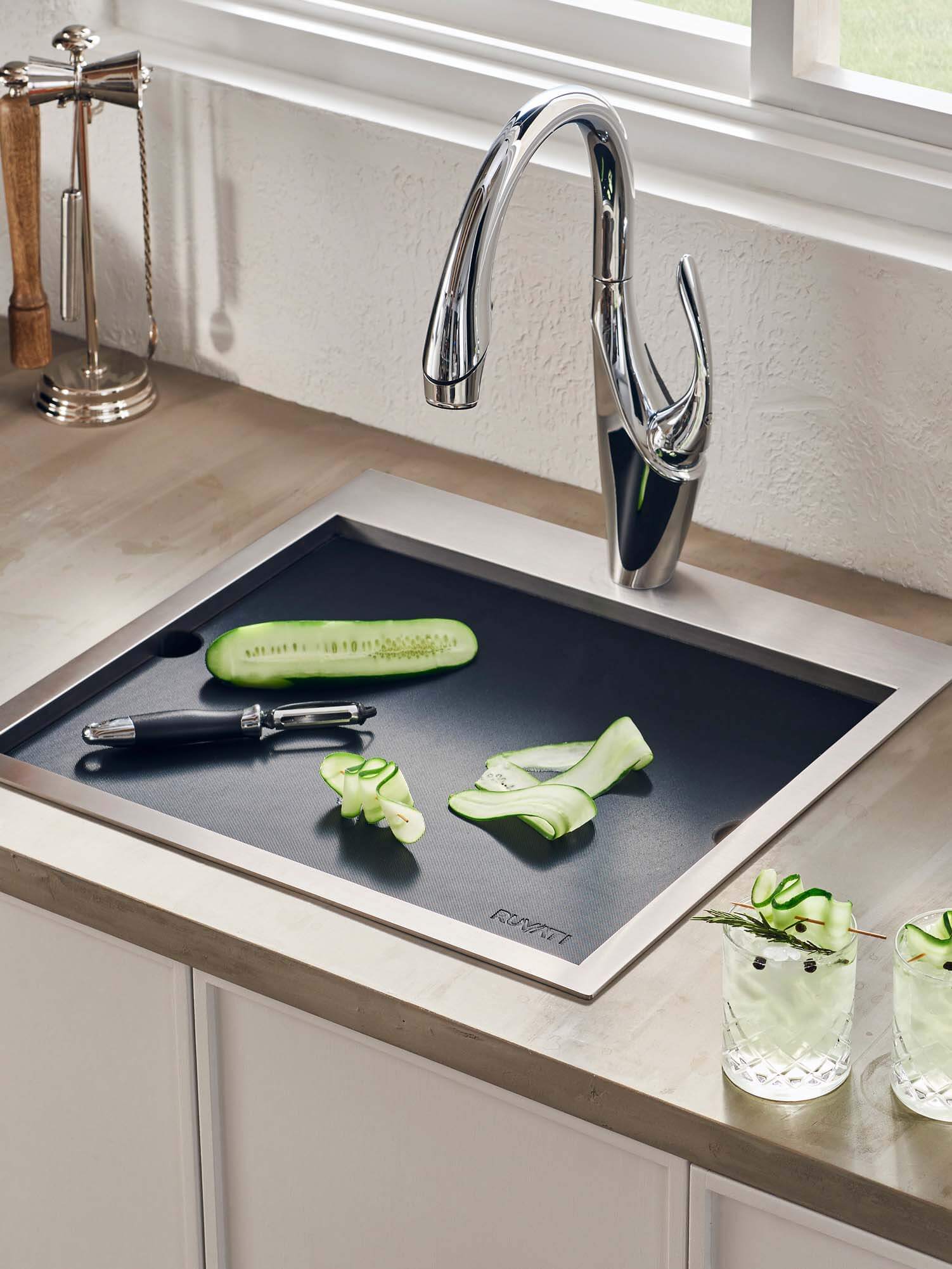
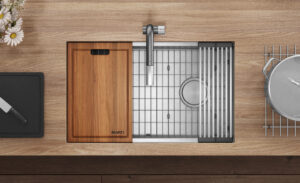
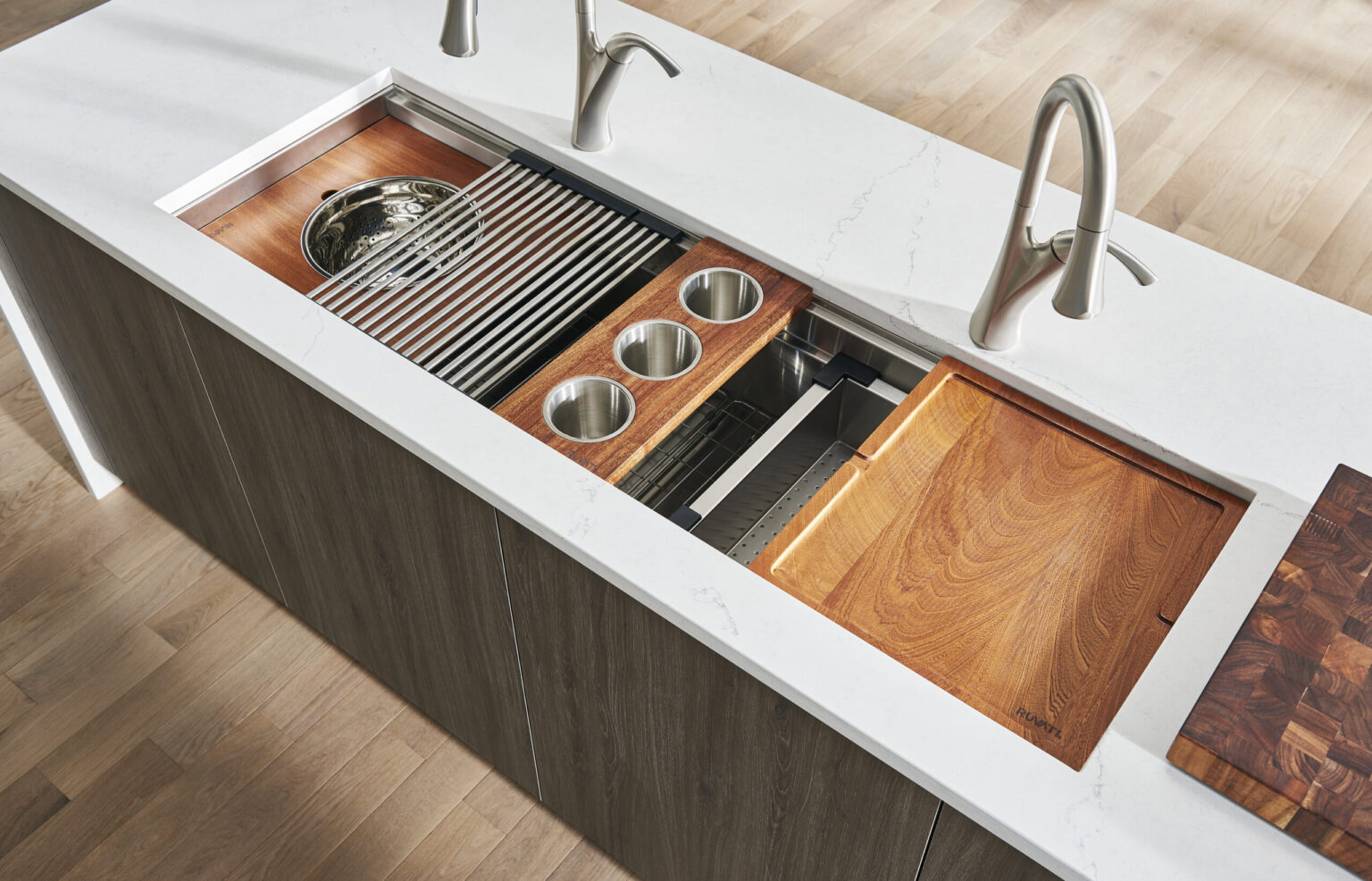
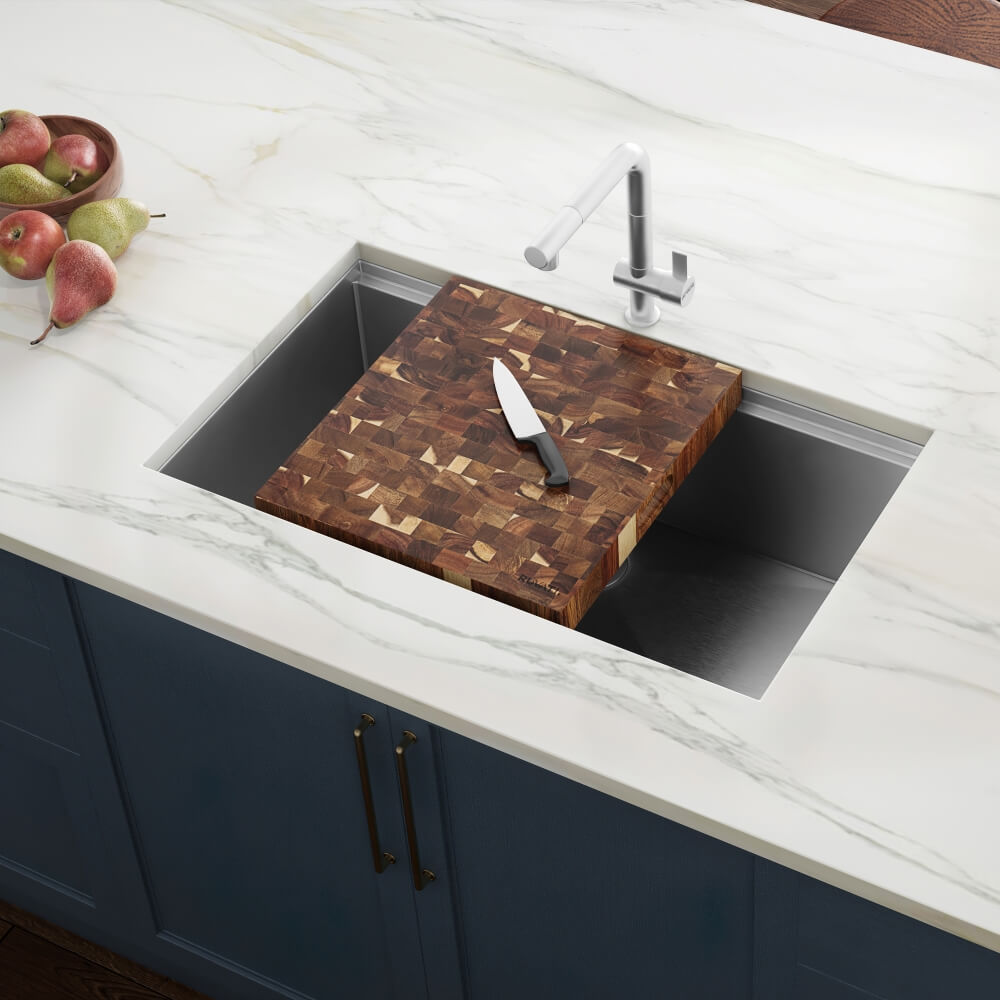
The Ruvati RVH8319 Workstation Cutting Board is a standout product that combines functionality with elegant design. This cutting board is specifically designed to fit Ruvati workstation sinks, creating a seamless and efficient food preparation area.
Key Features:
- Made from premium sapele wood
- Reversible design with a flat side and a grooved side for catching juices
- Fits perfectly over Ruvati workstation sinks
- Durable and knife-friendly surface
Ruvati RVA1217 Solid Wood Cutting Board
For those who prefer a more traditional cutting board, the Ruvati RVA1217 Solid Wood Cutting Board offers exceptional quality. This board is crafted from sustainably sourced acacia wood, known for its durability and natural beauty.
Key Features:
- Made from premium sapele wood
- Naturally antimicrobial properties
- Reversible design
- Designed for Ledgefit sinks, but suitable for use with or without a Ruvati sink
Ruvati cutting boards stand out for their quality craftsmanship and thoughtful design, making them an excellent choice for those looking to upgrade their kitchen accessories.
Ruvati Textured Finish Cutting Board with Dish Caddy
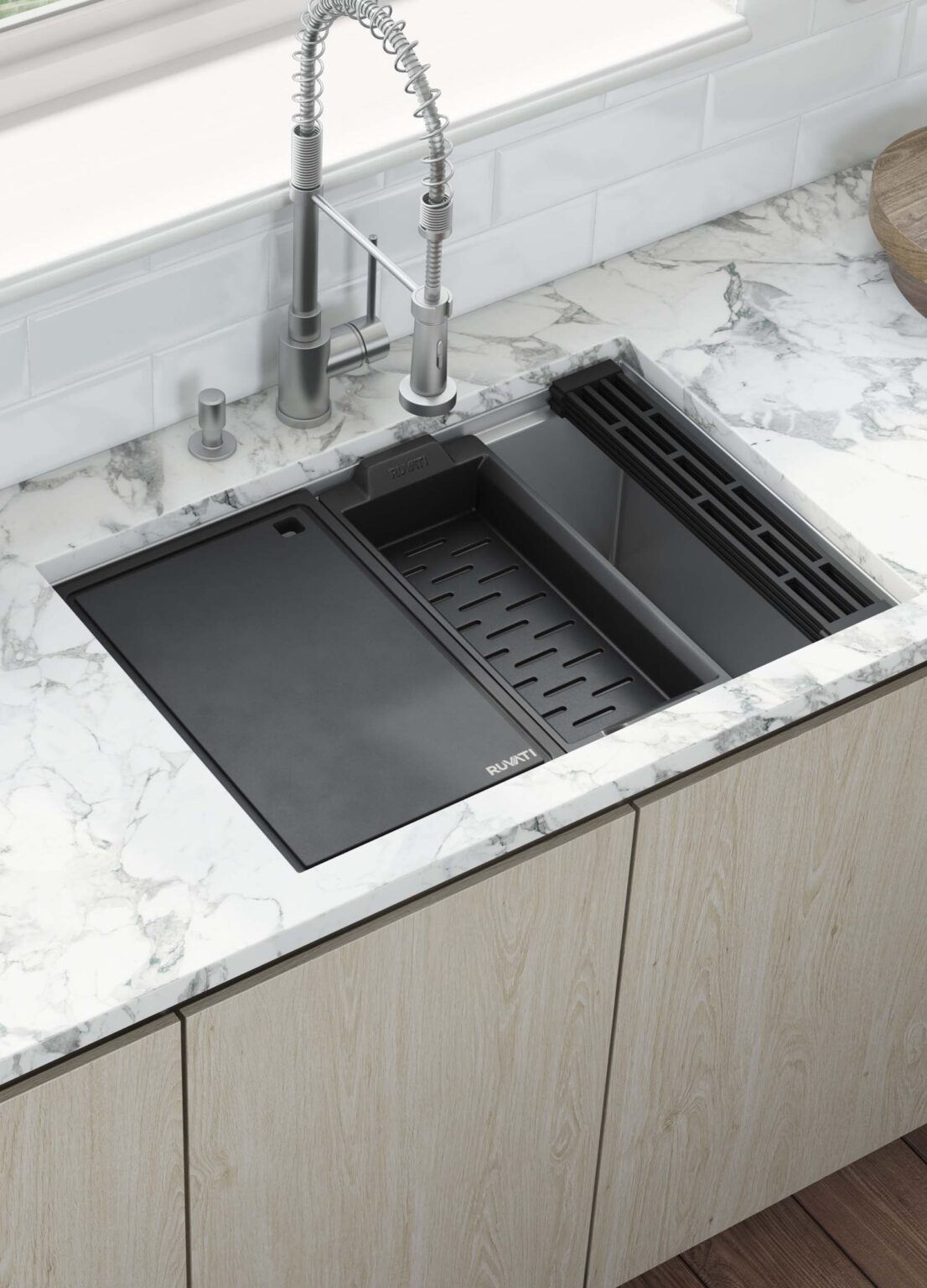
Elevate your kitchen workspace with the Ruvati RVA1226GR Textured Gray Finish Cutting Board with Dish Caddy, a versatile and stylish addition to your Ruvati workstation sink. This cutting board is not just a simple food preparation surface; it’s a multifunctional tool designed to enhance your culinary experience.
Key Features:
- Made from durable, easy to clean composite material
- Comes with dish drying capacity for up to 6 plates with two smaller slots for utensils. Ideal for small space kitchens.
- Naturally antimicrobial properties
- Composite textured surface makes for easy cleaning
Choosing the Best Cutting Board: Expert Tips
When selecting a cutting board, consider the following factors:
- Material: Wood, bamboo, and plastic are the most common materials. Each has its pros and cons.
- Size: Choose a board that fits your counter space and typical food prep needs.
- Maintenance: Consider how much time you’re willing to spend on upkeep.
- Knife-friendliness: Softer materials like end-grain wood are gentler on knife edges, prolonging their sharpness.
- Sanitation: Look for boards with antibacterial properties or those that are easy to sanitize, especially if you’ll be handling raw meats.
FAQs About Best Cutting Boards
1. What is the best cutting board material?
The best material depends on your needs. Wood and bamboo are excellent for knife care and aesthetics, while plastic is more convenient for quick cleanup and dishwasher use.
2. How often should I replace my cutting board?
Replace plastic boards when they develop deep grooves that can harbor bacteria. Well-maintained wooden boards can last for years or even decades.
3. Can I use the same cutting board for meat and vegetables?
It’s best to use separate boards for raw meats and other foods to prevent cross-contamination. Consider color-coding your boards for different uses.
4. How do I clean and maintain a wooden cutting board?
Clean with hot, soapy water and dry immediately. Regularly apply food-grade mineral oil to prevent drying and cracking.
5. Are bamboo cutting boards good?
Yes, bamboo cutting boards are durable, eco-friendly, and naturally antimicrobial. However, they can be harder on knife edges compared to softer woods.
6. What type of cutting board do chefs use?
Professional chefs often use a variety of cutting boards, depending on the task at hand. However, many chefs prefer:
- Wood cutting boards: For their durability, knife-friendliness, and aesthetic appeal.
- Rubber cutting boards: Popular in professional kitchens for their durability, non-slip properties, and ease of sanitization.
- Plastic cutting boards: Used for their affordability, lightweight nature, and ease of cleaning, especially for tasks involving raw meat.
- Some chefs also use bamboo boards or specialized boards like those made from Richlite or Hi-Soft materials.
Ultimately, the choice often comes down to personal preference, specific kitchen needs, and local health regulations.
The best cutting board for you will depend on your specific needs, cooking habits, and maintenance preferences. By considering the factors outlined in this guide and exploring our top picks for 2024, including the innovative Ruvati options, you’ll be well-equipped to choose a cutting board that will serve you well in the kitchen for years to come.