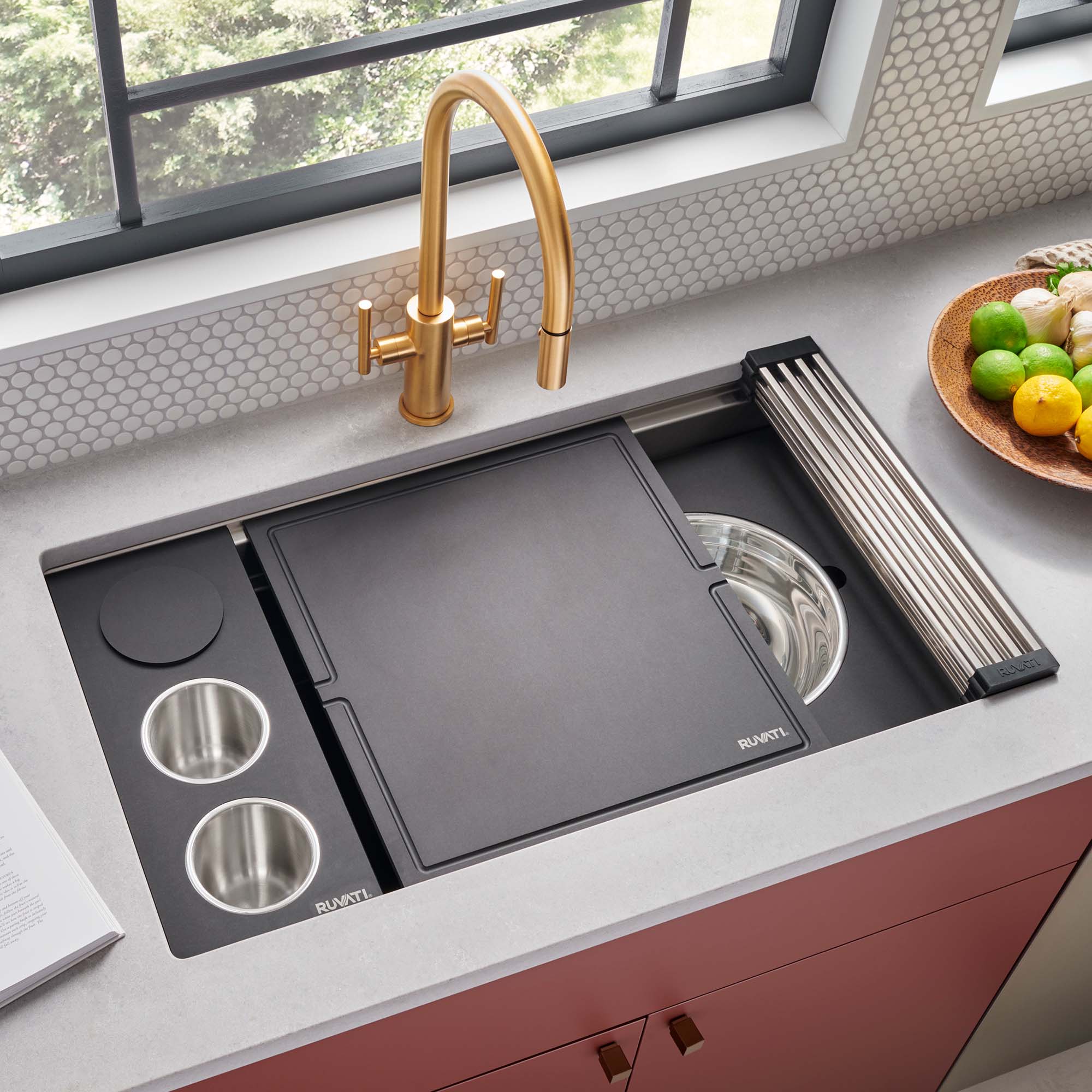
Often the unsung hero of kitchen preparation, cutting boards are essential part of the kitchen. Plastic cutting boards offer a budget-friendly form of this kitchen must have.
Are plastic cutting boards safe for your kitchen? This question has sparked debates among home cooks and food safety experts alike. With concerns about microplastics and food contamination on the rise, it’s crucial to understand the facts behind plastic cutting board safety. Let’s dive into the myths and realities surrounding this kitchen essential.
The Microplastic Dilemma
Recent studies have raised concerns about microplastics in our food, with plastic cutting boards being a potential source of microplastics in human food. However, it’s important to put this information into context.
Microplastic Generation
While it’s true that plastic cutting boards can release microplastics, the amount varies depending on several factors:
- Cutting style
- Knife sharpness
- Type of food being cut
Studies estimated that a plastic cutting board could generate about 50 grams of microplastic particles per year, equivalent to the weight of ten plastic credit cards. Improperly maintained cutting boards can generate tens of millions of these microparticles, contributing to potential health hazards associated with microplastic contamination in food. While this may sound alarming, it’s crucial to consider that not all of these particles end up in your food.
Safety Considerations
Despite concerns about microplastics, plastic cutting boards are still considered safe for use when properly maintained. However, concerns about microplastics and their potential impact on human health have led to increased scrutiny of plastic cutting boards and other consumer products. The U.S. Department of Agriculture (USDA) states that consumers can choose either wood or nonporous surface cutting boards, including plastic.
Advantages of Plastic Cutting Boards:
- Easy to clean
- Dishwasher safe
- Resistant to deep grooves that can harbor bacteria
- Versatile: Can be used alongside other plastic containers for a cohesive kitchen setup
Best Practices for Using Plastic Cutting Boards
- Use sharp knives: Dull knives increase friction and wear on plastic boards.
- Use multiple boards: Dedicate one board for raw meat, poultry, and seafood, and another for ready-to-eat foods like fruits and vegetables.
- Clean thoroughly: Wash your cutting board with hot, soapy water after each use. Rinse with clear water and air dry or pat dry with clean paper towels.
- Sanitize regularly: Use a solution of 1 tablespoon of unscented, liquid chlorine bleach per gallon of water to sanitize your board.
- Replace worn boards: Discard cutting boards that become excessively worn or develop hard-to-clean grooves.
- Choose high-quality materials: Some boards use durable plastics less prone to degradation.
- Opt for polyethylene boards: These are durable and less prone to releasing polyethylene microplastics during use.
The Ruvati Difference
While the process is similar to a kitchen sink replacement, bathroom sink replacement often involves different considerations:
Workstation Compatibility
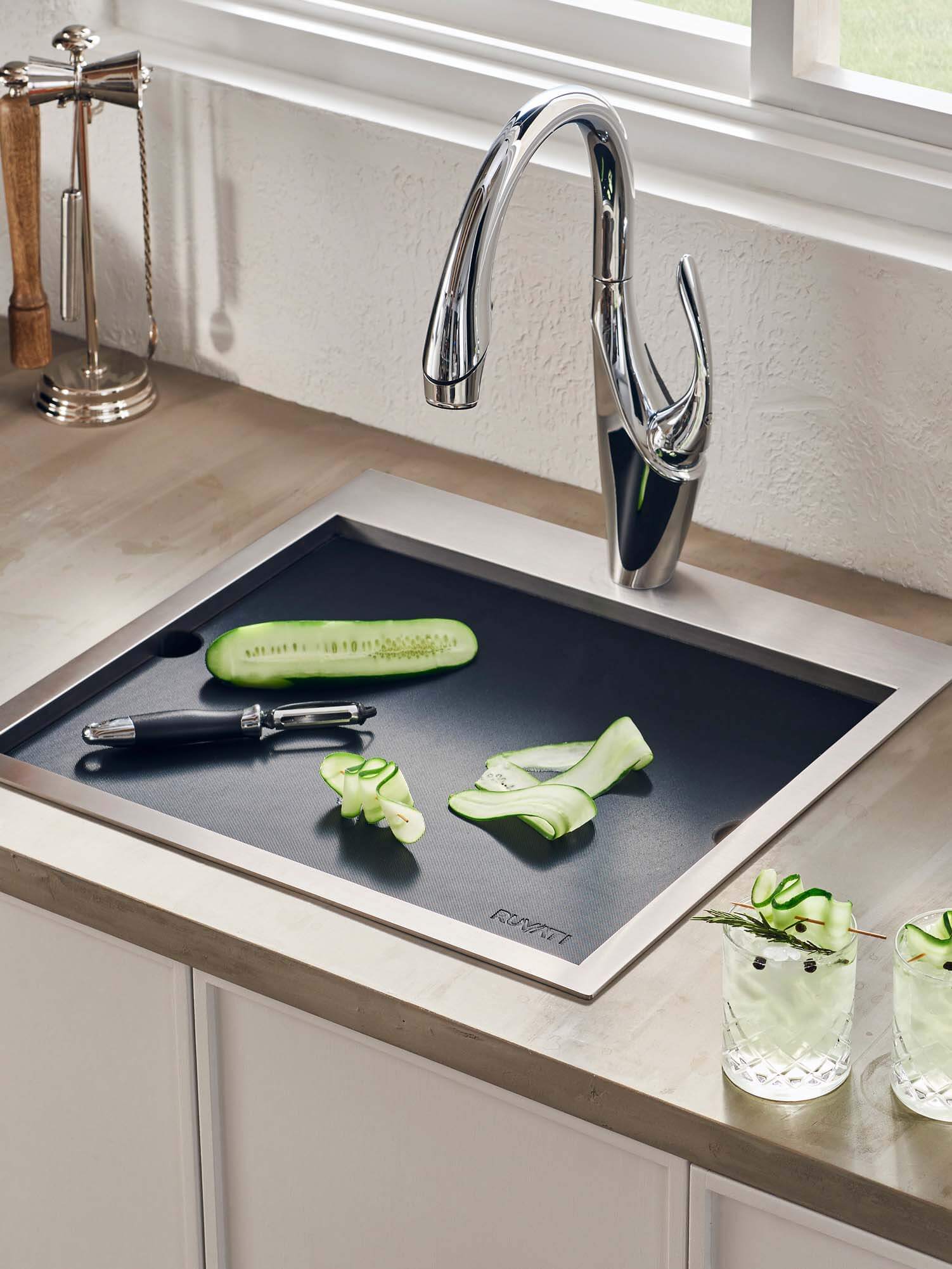
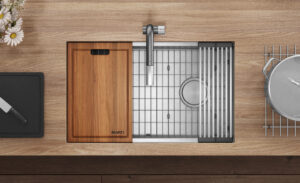
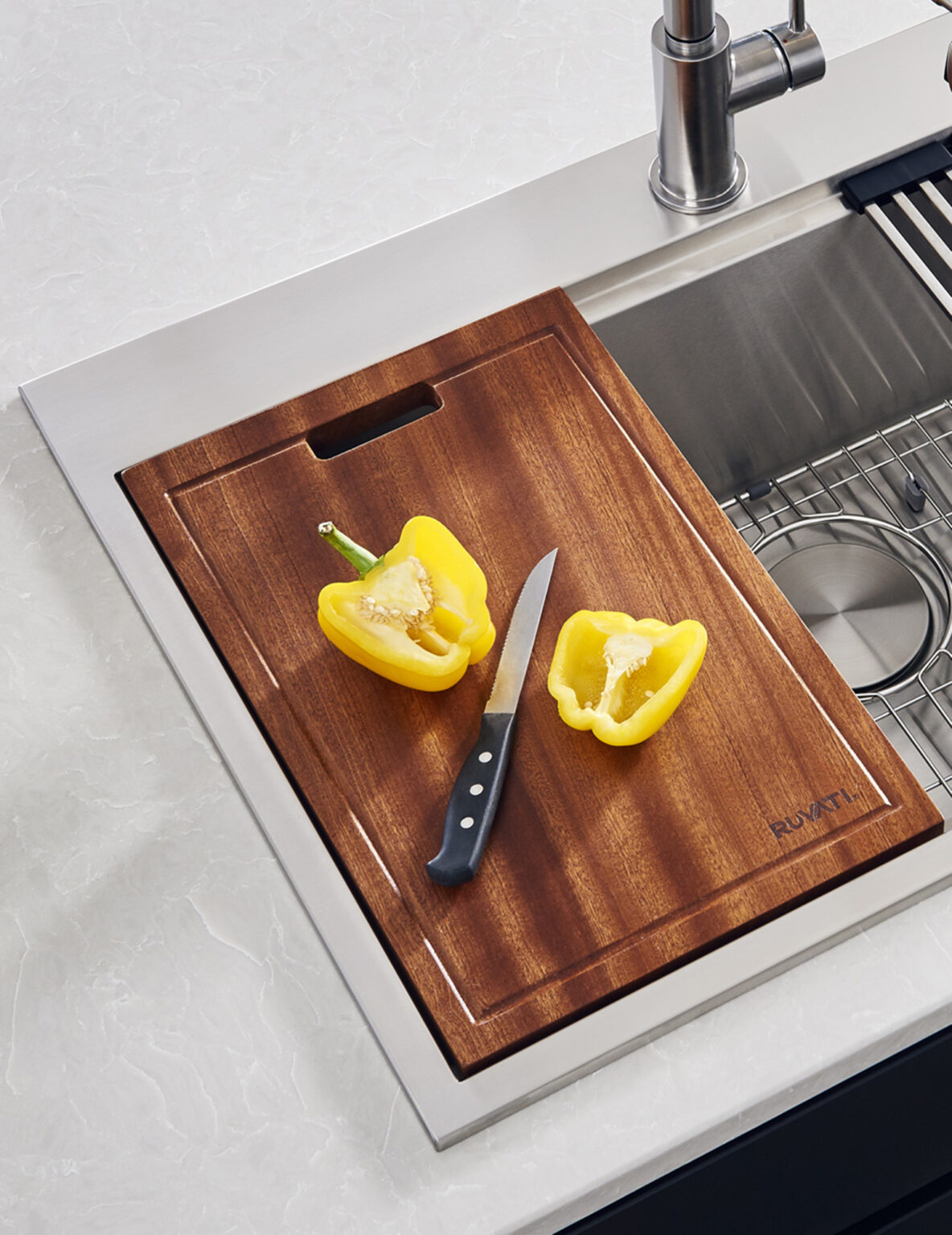
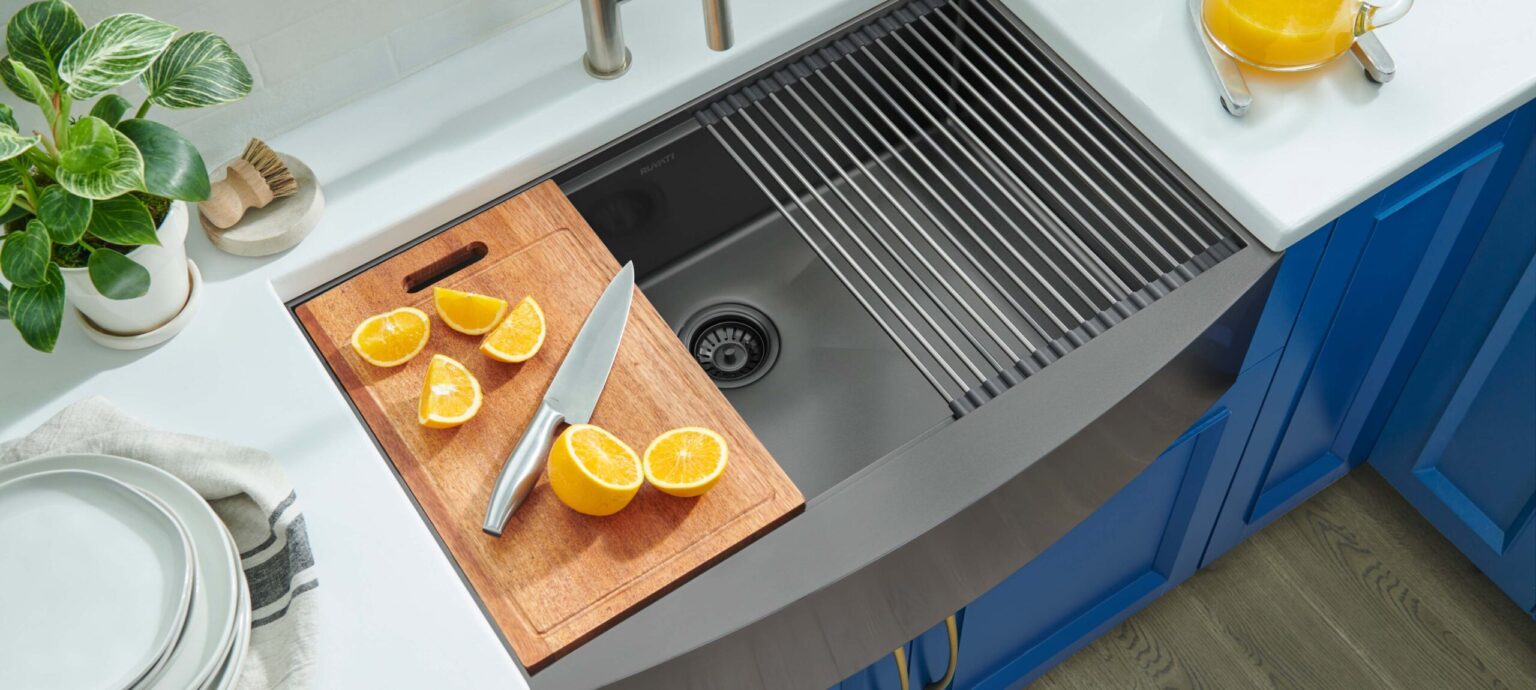
For those with Ruvati workstation sinks, their cutting boards are an essential accessory. The perfect fit and sliding functionality transform your sink area into a highly efficient food prep zone. This seamless integration is a game-changer for kitchens of all sizes.
Durability You Can Trust
Ruvati’s choice of wood or solid composite materials means their cutting boards can withstand daily use without warping, cracking, or excessive knife damage. This longevity makes them an excellent investment for your kitchen.
Caring for Your Ruvati Cutting Board
To keep your Ruvati cutting board in top condition:
- Hand wash with mild soap and warm water after each use.
- Dry thoroughly and store in a cool, dry place.
- Apply food-grade mineral oil or the recommended conditioner regularly.
- Avoid soaking the board or placing it in the dishwasher.
By following these simple steps, your Ruvati cutting board will remain a cherished kitchen tool for years to come.
Investing in a Ruvati cutting board means choosing quality, functionality, and style. Whether you’re a seasoned chef or a casual home cook, this essential kitchen accessory will elevate your food preparation experience and add a touch of elegance to your culinary space. Make the smart choice for your kitchen – choose Ruvati.
FAQs About Plastic Cutting Board Safety
- How often should I replace a plastic cutting board?Replace your board when it becomes deeply scratched or shows visible wear. For most households, this is every 1–3 years, depending on usage.
- Are plastic cutting boards bad for you?When used and maintained properly, plastic cutting boards are not inherently bad for you. The key is to follow good hygiene practices and replace worn boards.
- Do plastic cutting boards release microplastics?Yes, plastic cutting boards can release microplastics, especially when cut with sharp knives. However, the health implications of this are still being studied.
- Is a plastic cutting board safe compared to other materials?Plastic cutting boards are generally considered safe when used correctly. They have the advantage of being nonporous and easy to clean, which can help prevent bacterial growth.
- How can I minimize microplastic exposure from cutting boards?To reduce potential microplastic exposure, consider using alternative materials like wood or bamboo, or ensure you’re following proper care and replacement practices for your plastic boards.
- Are plastic cutting boards an overlooked source of microplastics?Yes, plastic cutting boards are often an overlooked source of microplastics that can contaminate food during preparation.
Takeaways
Plastic cutting boards are a convenient and safe choice when used correctly. Concerns about microplastic consumption from plastic cutting boards should not deter their use but highlight the importance of regular care. Whether you’re cooking for your family or hosting a dinner party, a clean, well-maintained cutting board—plastic or otherwise—is essential for kitchen safety.
While concerns about microplastics from plastic cutting boards are valid, it’s important to remember that these boards can still be used safely in your kitchen. By following proper cleaning and maintenance practices, and replacing worn boards, you can minimize potential risks. If you’re particularly concerned about microplastics, consider using a wood cutting board as an alternative.
Ultimately, the choice between plastic and other cutting board materials comes down to personal preference and priorities. Whichever type you choose, proper hygiene and regular maintenance are key to ensuring food safety in your kitchen.