Understanding the various components of your kitchen or bathroom sink can help you maintain and repair your sink with ease. In this comprehensive guide, we will explore the essential parts of a sink, drain, and faucet, providing you with the knowledge to tackle common plumbing issues.
Parts of a Kitchen Sink
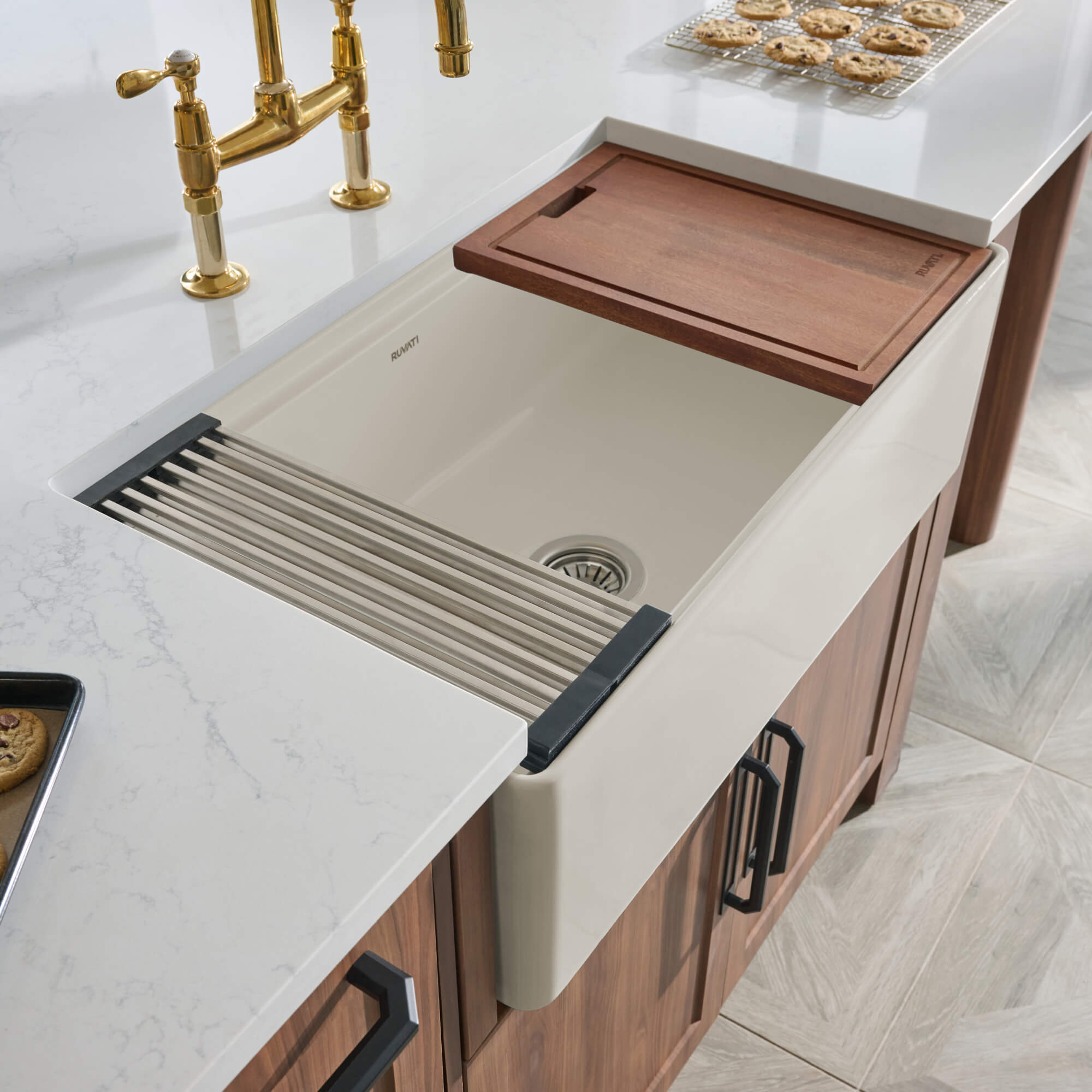
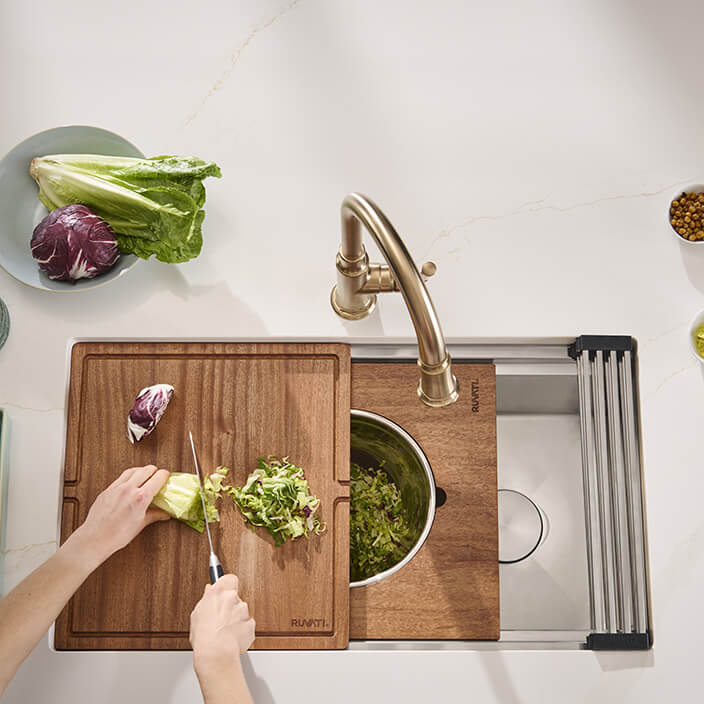
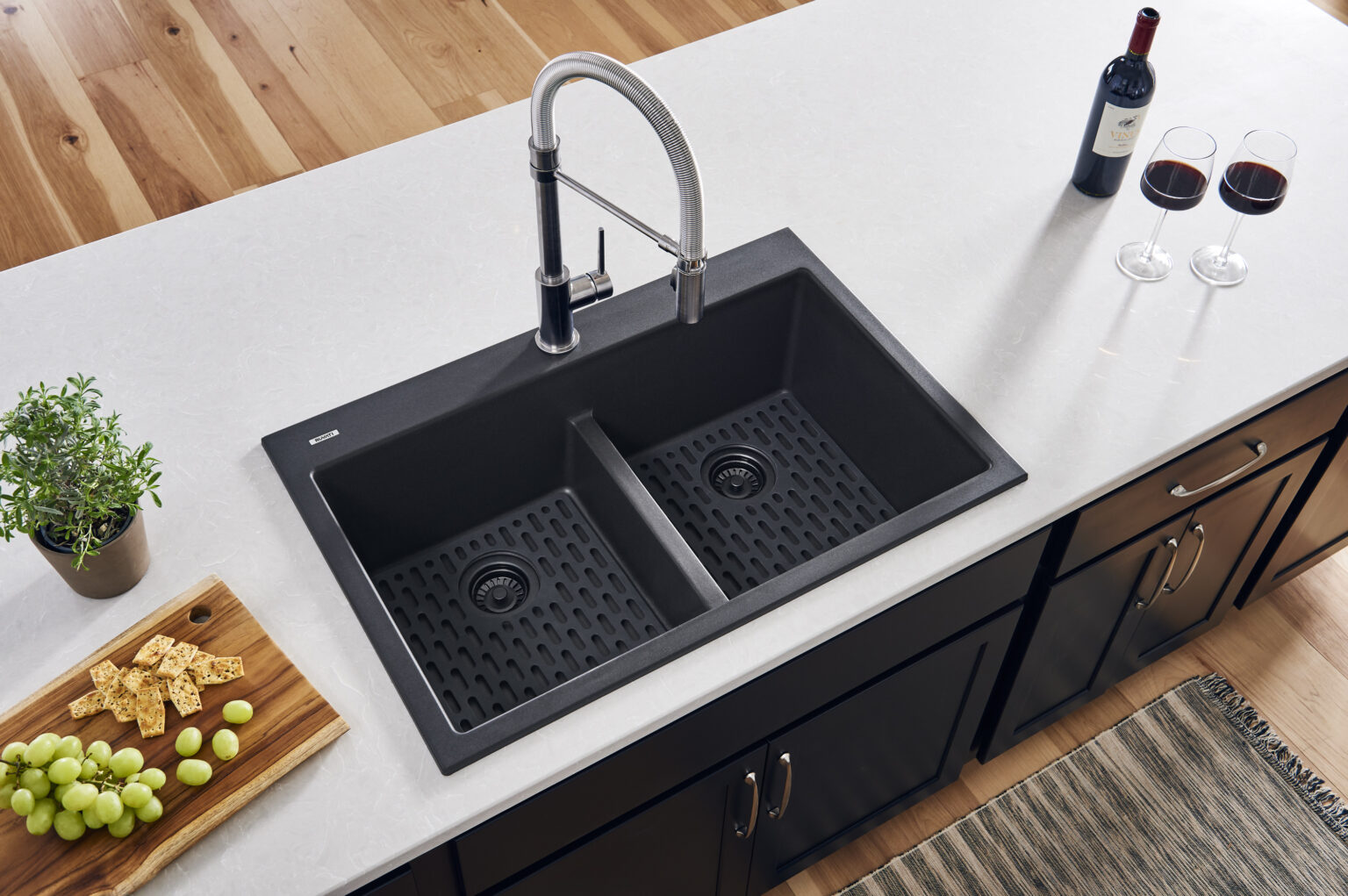
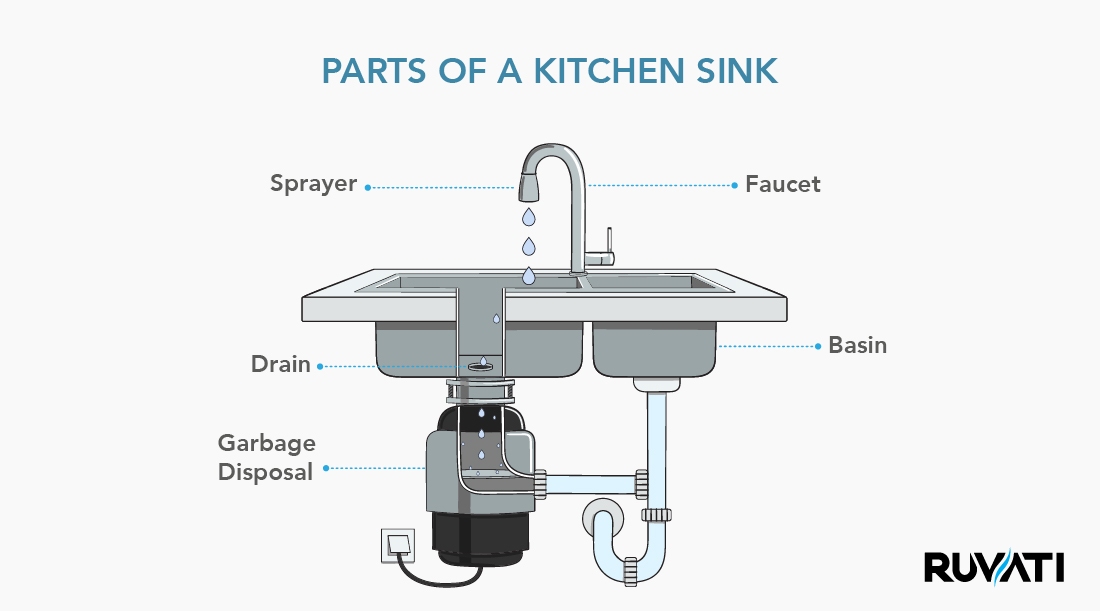
- Basin: The container that holds water and provides space for washing dishes.
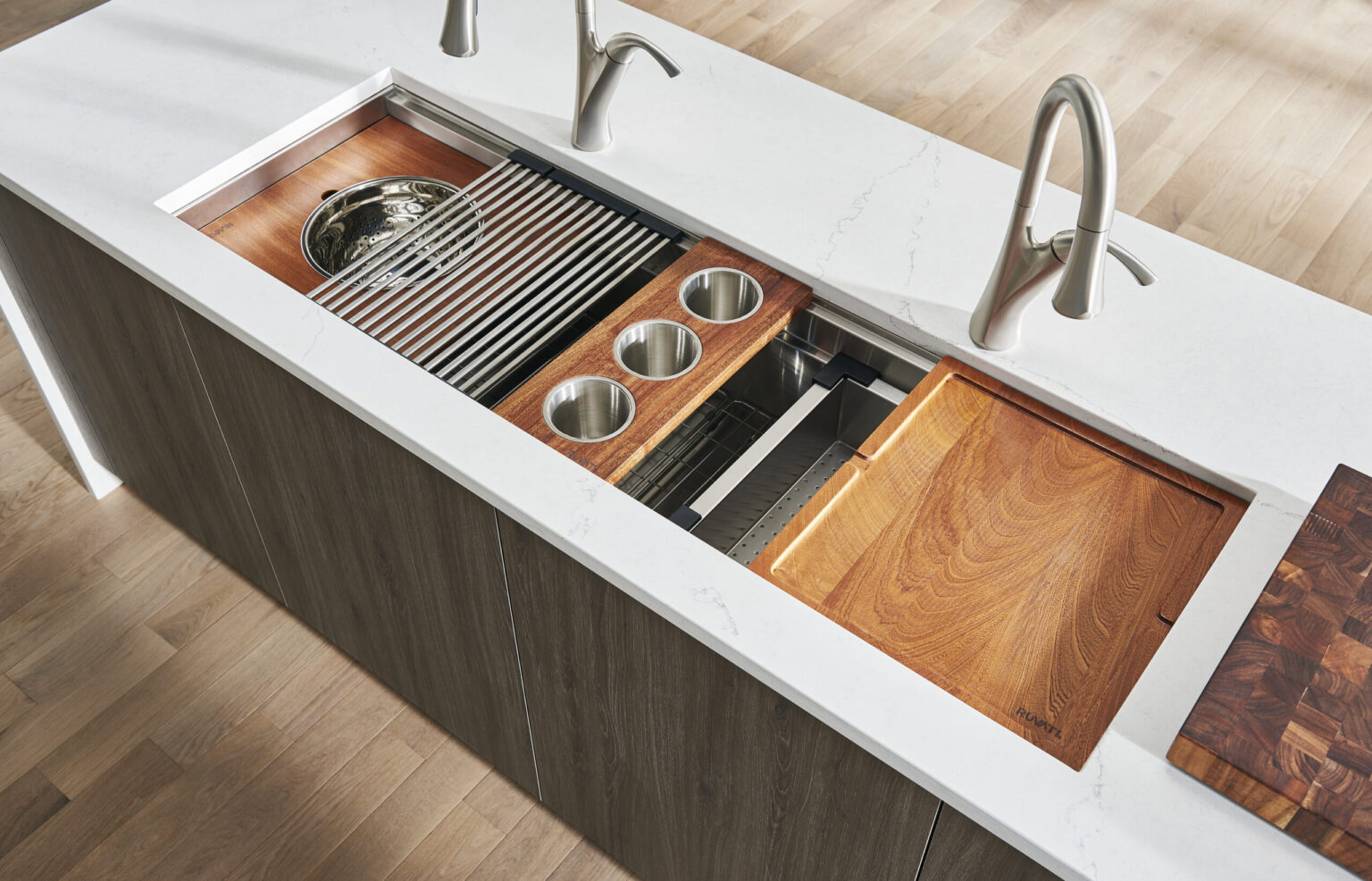
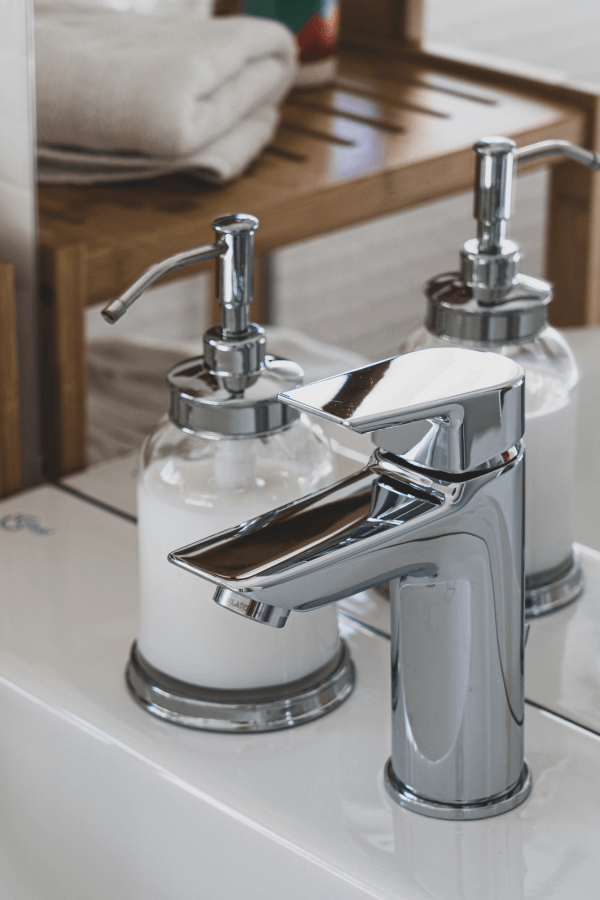
- Faucet: The fixture that controls water flow and temperature from cold to hot and everything in between. Kitchen faucets are essential in everyday use, offering a wide variety of price points and features.
- Sprayer: A detachable nozzle that allows for targeted water flow, often used for rinsing dishes or cleaning the sink.
- Soap dispenser: A built-in dispenser that provides easy access to dish soap.
- Drain: The opening at the bottom of the sink that allows water to flow out. The drain hole has a universal diameter of 3 and ½ inches, regardless of whether it’s a double-basin sink or a single-basin sink.
- Basket strainer: A removable strainer that catches food particles and prevents clogs.
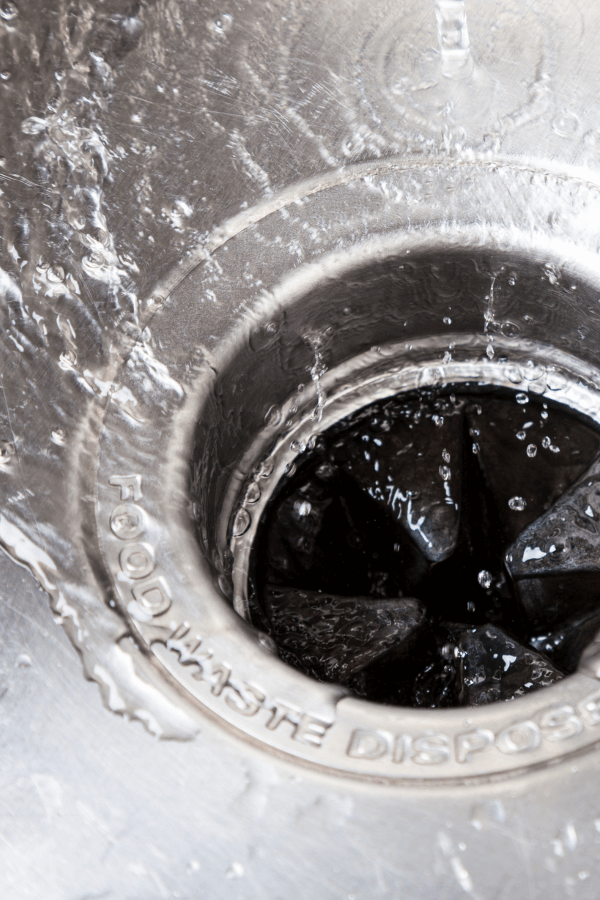
- Garbage disposal: A motorized device installed in the drain that grinds food waste, preventing clogs and reducing waste.
Parts of a Bathroom Sink
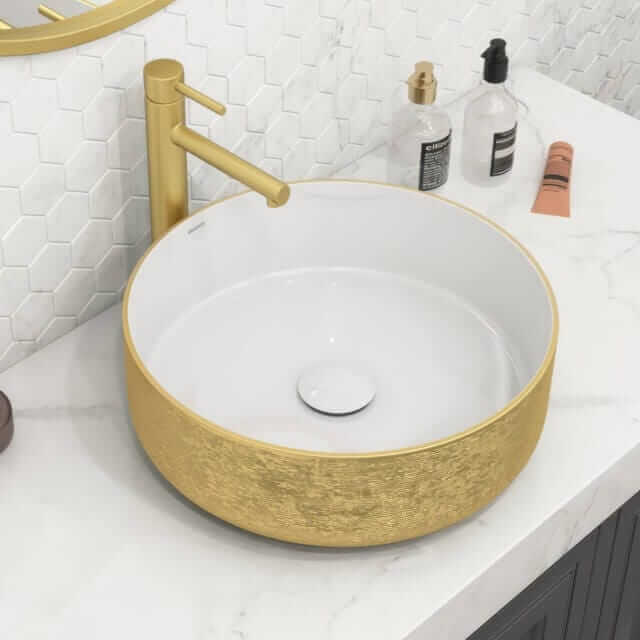
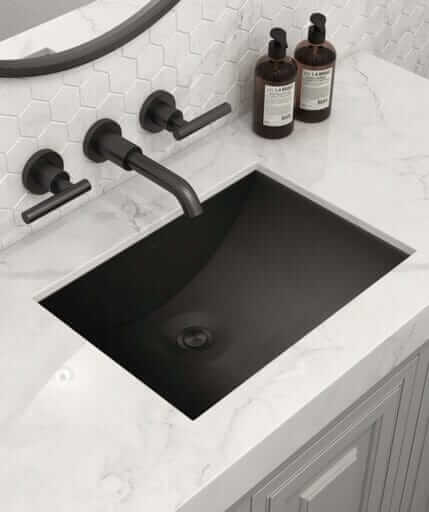
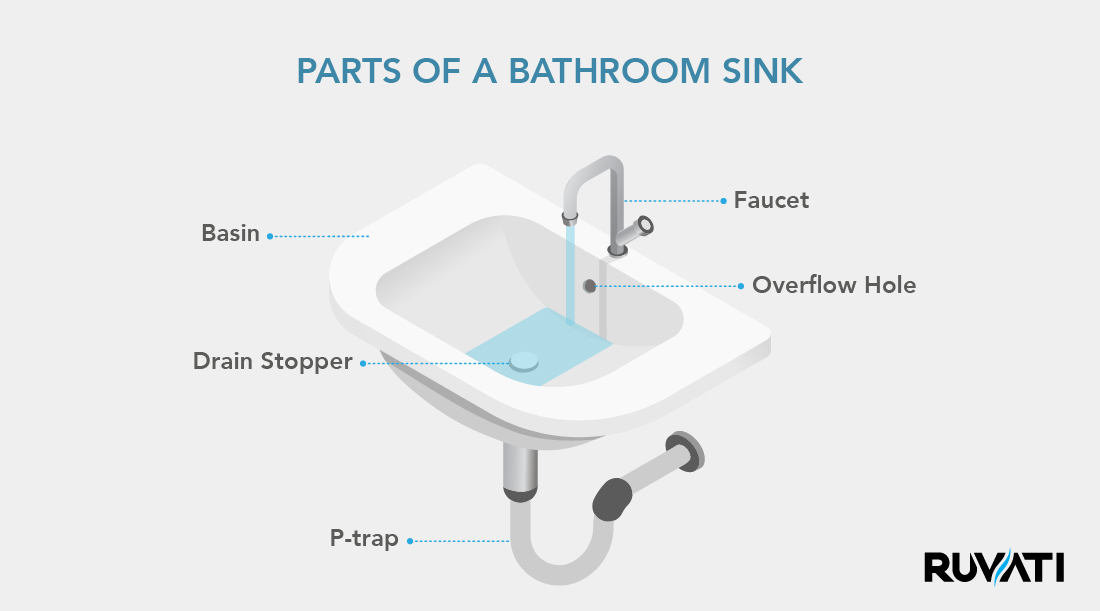
- Basin: Similar to a kitchen sink, it holds water and provides space for washing hands and grooming. Bathroom sink parts include components such as the drain stopper, drain tailpiece, and water shut off valves, which are essential for the sink’s plumbing system.
- Faucet: Controls water flow and temperature. It allows for the control of both hot and cold water, with shut-off valves connecting to the cold water supply line.
- Drain stopper: A mechanism that closes the drain to fill the sink with water or opens to allow water to flow out.
- Overflow hole: A small hole near the top of the sink that prevents overflow by allowing excess water to drain.
- P-trap: A U-shaped pipe under the sink that retains a small amount of water, creating a seal to prevent sewer gasses from entering the bathroom. The curved portion of the drain tailpiece holds standing water, acting as a barrier to prevent sewer gasses from wafting up through the drain.
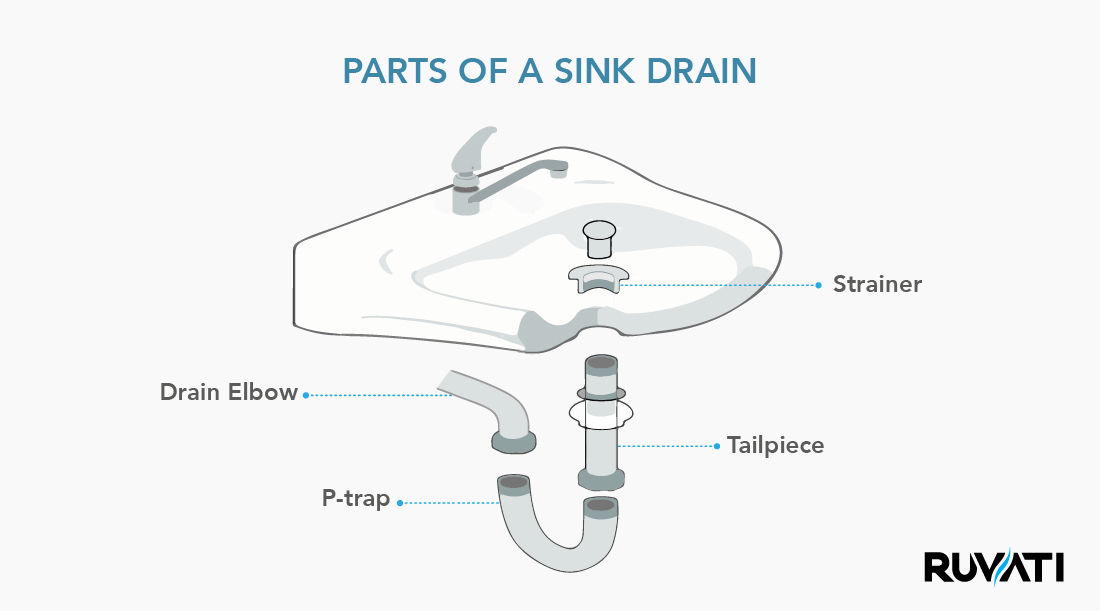
Parts of a Sink Drain
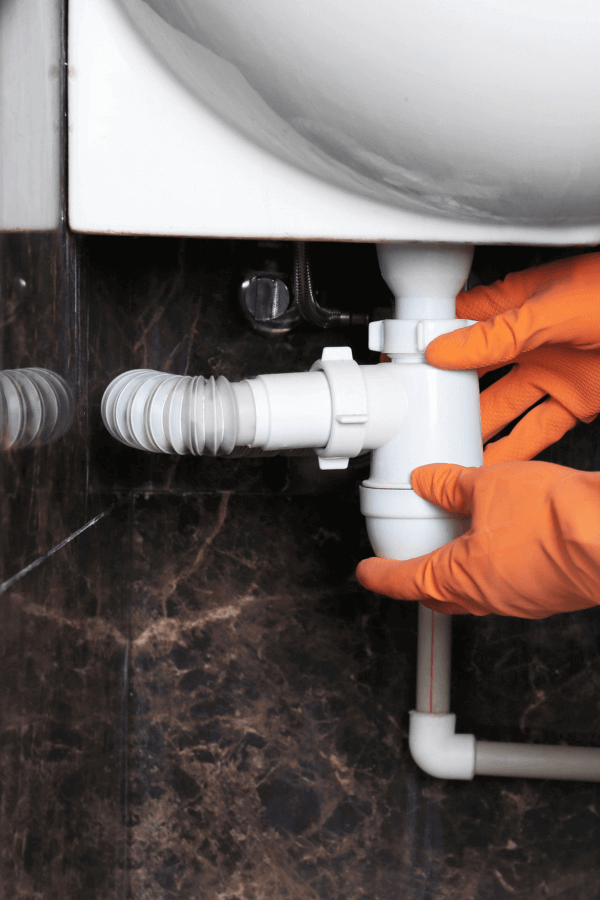
- Tailpiece: Connects the drain opening to the P-trap. It serves as a connection between the drain stopper assembly and the P-trap, facilitating the flow of water from the sink to the home’s waste system and sewer line.
- P-trap: Prevents sewer gasses from entering the home and traps debris. The J-bend pipe of the P-trap holds water to act as a barrier, preventing sewer gasses from wafting up through the drain and entering the bathroom, thus avoiding unpleasant odors.
- Drain elbow: Connects the P-trap to the drainpipe.
- Drainpipe: Carries waste and water from the sink to the main drain line.
- Escutcheon: A decorative plate that covers the hole in the wall or cabinet where the drainpipe enters.
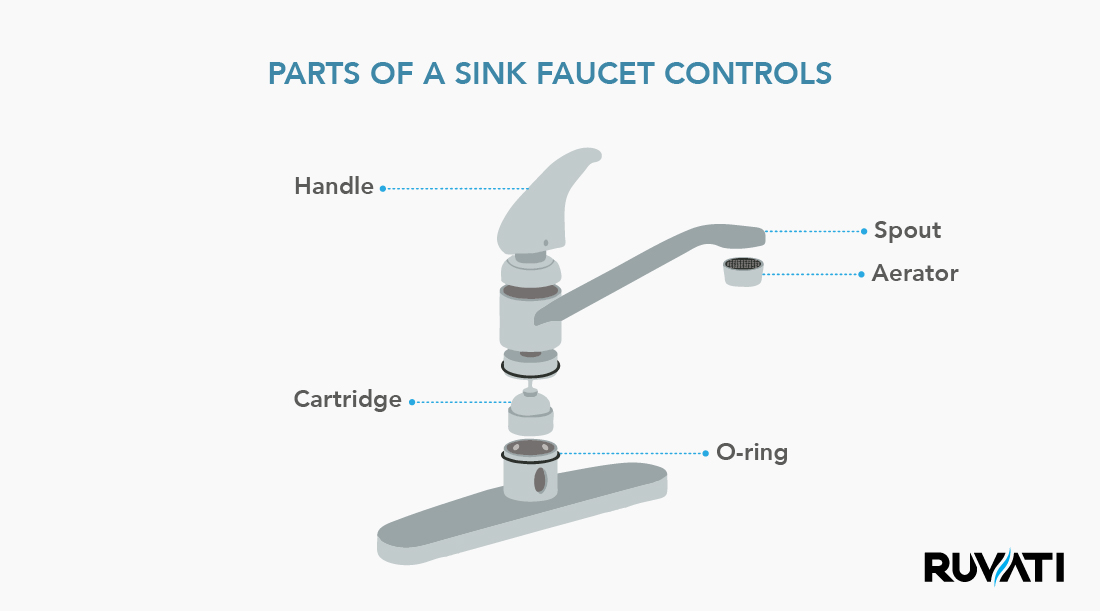
Parts of a Sink Faucet Controls
- Handle: Controls the water flow and temperature. It regulates the flow of hot and cold water, allowing you to adjust the temperature to your preference.
- Spout: Delivers water from the faucet. The faucet body can be made from various materials such as brass, stainless steel, plastic, and zinc, each offering different levels of durability, lead content, and visual appeal.
- Aerator: Adds air to the water flow for a more consistent and splash-free stream.
- O-rings: Seals that prevent water from leaking around the faucet handle and spout.
- Cartridge or stem: Internal components that regulate water flow and temperature.
FAQs
- What are the parts of a kitchen sink called?
A kitchen sink consists of a basin, faucet, sprayer, soap dispenser, drain, basket strainer, and sometimes a garbage disposal. The sink basin is the part that holds water flowing from the faucet.
- What are the parts of a sink drain called?
Sink drain components include the tailpiece, P-trap, drain elbow, drainpipe, and escutcheon. Drain stoppers are crucial for managing the flow of water in and out of the sink basin.
- What are the parts of a sink faucet?
A sink faucet consists of a handle, spout, aerator, O-rings, and cartridge or stem. Regular sink repairs are essential to maintain the functionality of these components.
By understanding the different parts of a sink, drain, and faucet, you can better maintain your kitchen and bathroom sinks and address common plumbing issues with confidence.
Sink repair costs can vary significantly depending on the complexity of the issue. While some sink repairs can be done by homeowners to save on costs, more challenging repairs and serious plumbing issues are best handled by hiring a professional. This approach helps avoid potential complications and additional expenses.
Regular cleaning and maintenance are crucial for the longevity and proper functioning of your sink. Be mindful of what goes down the drain and avoid harsh chemicals that can damage the pipes. By familiarizing yourself with the various sink components and their roles, you’ll be better equipped to address potential issues and keep your kitchen and bathroom sinks in top shape. Remember, when in doubt, always consult a professional plumber to prevent further damage and ensure proper repairs. For a handy reference guide to cleaning and maintaining your sink, refer to our Care and Cleaning Guide.