
Choosing the right kitchen sinks is crucial for ensuring a functional and aesthetically pleasing workspace. In this guide, we’ll explore standard kitchen sink dimensions, the versatility and variety of double sinks, factors to consider when selecting a size, and answer frequently asked questions to help you make an informed decision.
Standard Kitchen Sink Size: A Comprehensive Guide
Standard kitchen sink sizes vary depending on the type and configuration of sink bowls. Here are some common dimensions:
- Single bowl: 22 inches (width) x 24 inches (length) x 8 inches (depth)
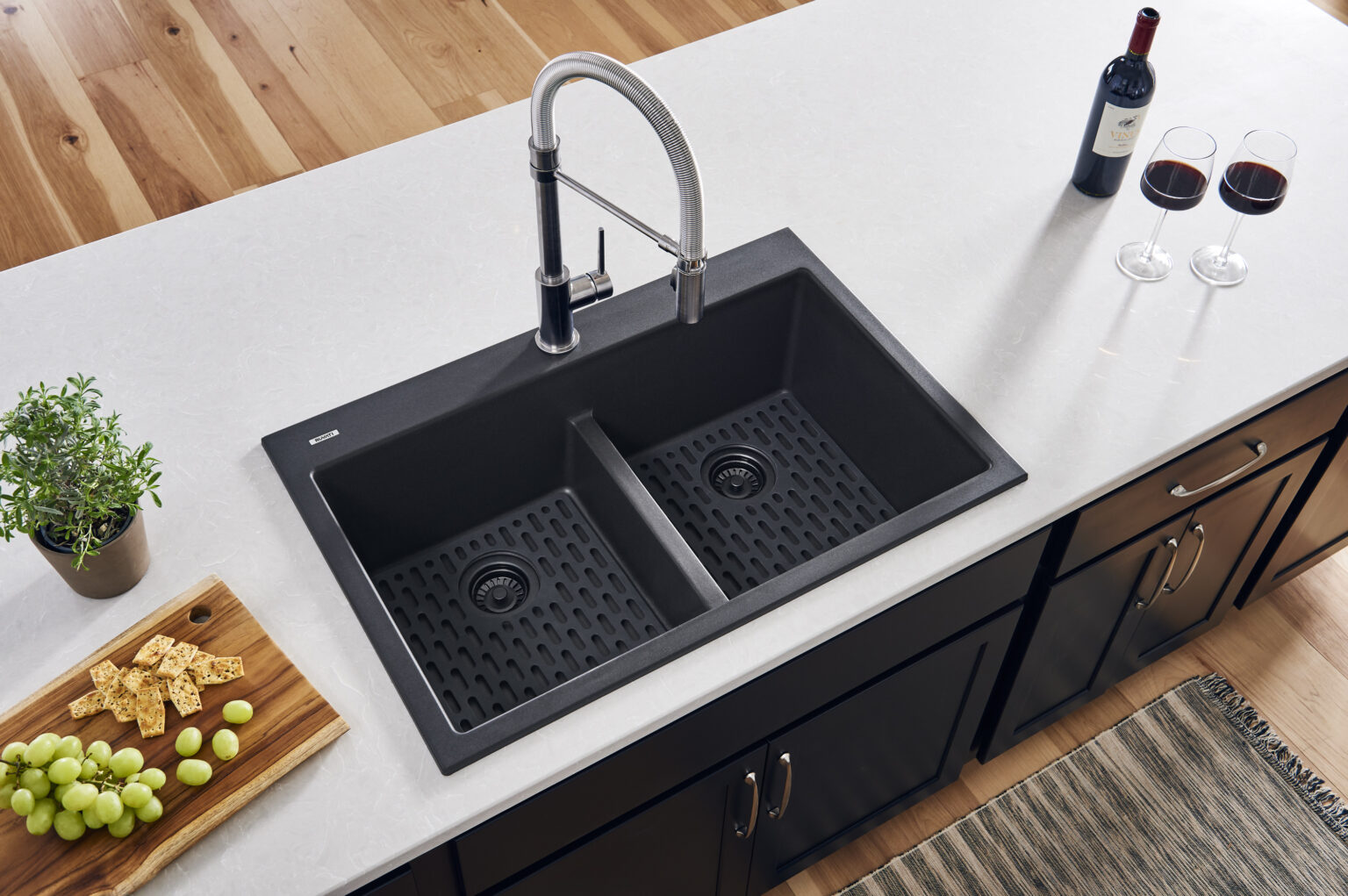
- Double bowl (equal): 33 inches (width) x 22 inches (length) x 8 inches (depth)
- Double bowl (offset): 31 inches (width) x 20 inches (length) x 8 inches (depth)
- Triple bowl: 42 inches (width) x 20 inches (length) x 8 inches (depth)
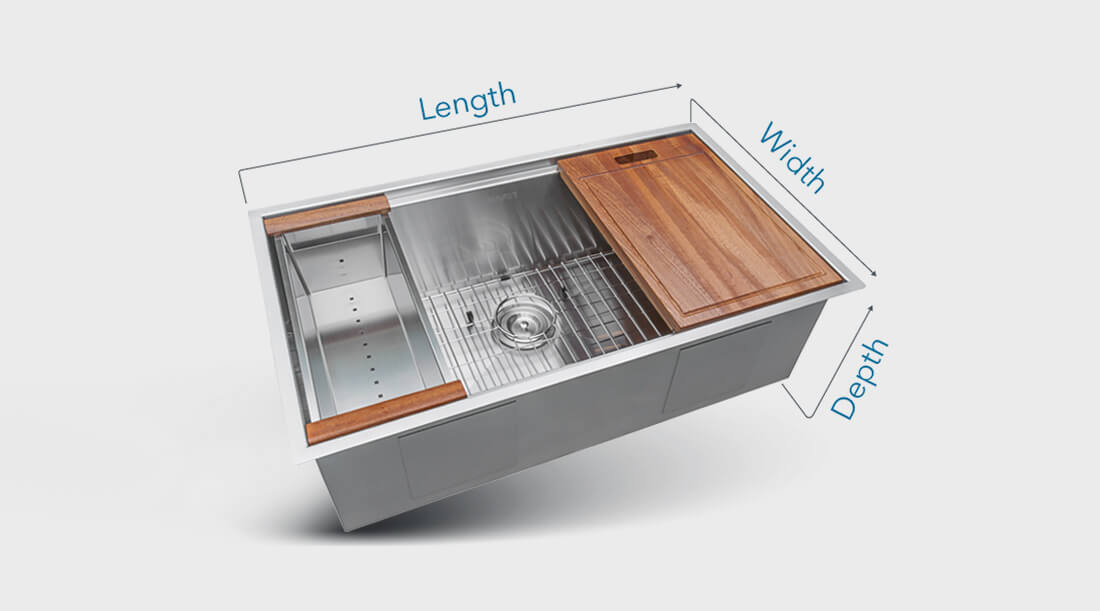
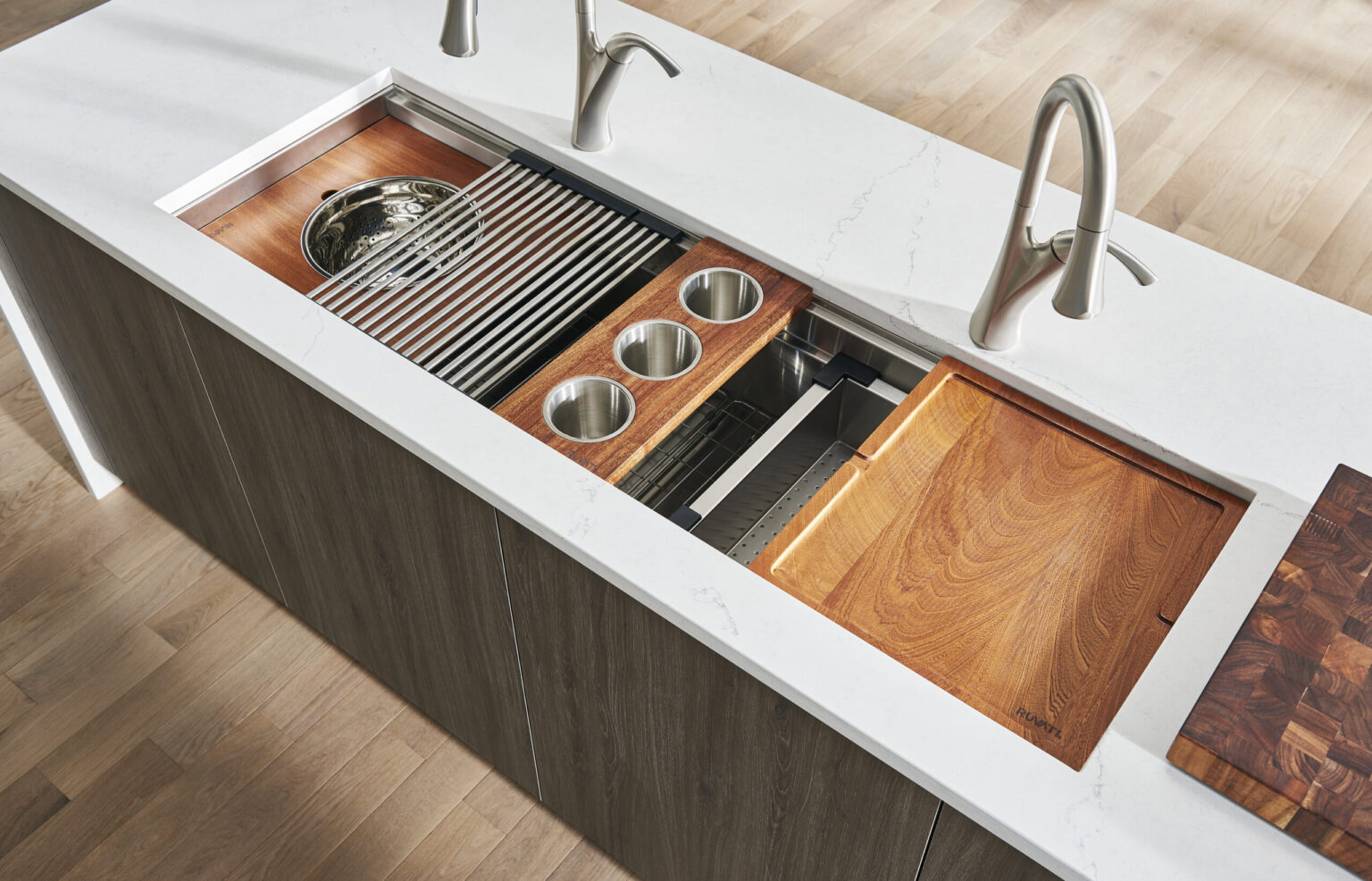
Drop in kitchen sinks are a popular and practical choice due to their ease of installation and versatility with various countertop materials.Understanding one’s kitchen dimensions and lifestyle is crucial for optimal kitchen sinks selection.A double kitchen sink is particularly practical for larger households, offering extra space for washing dishes and accommodating greater dishwashing needs. A double bowl sink is especially beneficial for larger families who wash dishes by hand, with configurations like 60/40 and 50/50 ratios catering to different cleaning needs and countertop space considerations.
Double sinks come in various dimensions, styles, and configurations, providing versatility and variety to suit personal preferences in kitchen design.
Standard Kitchen Sink Depth
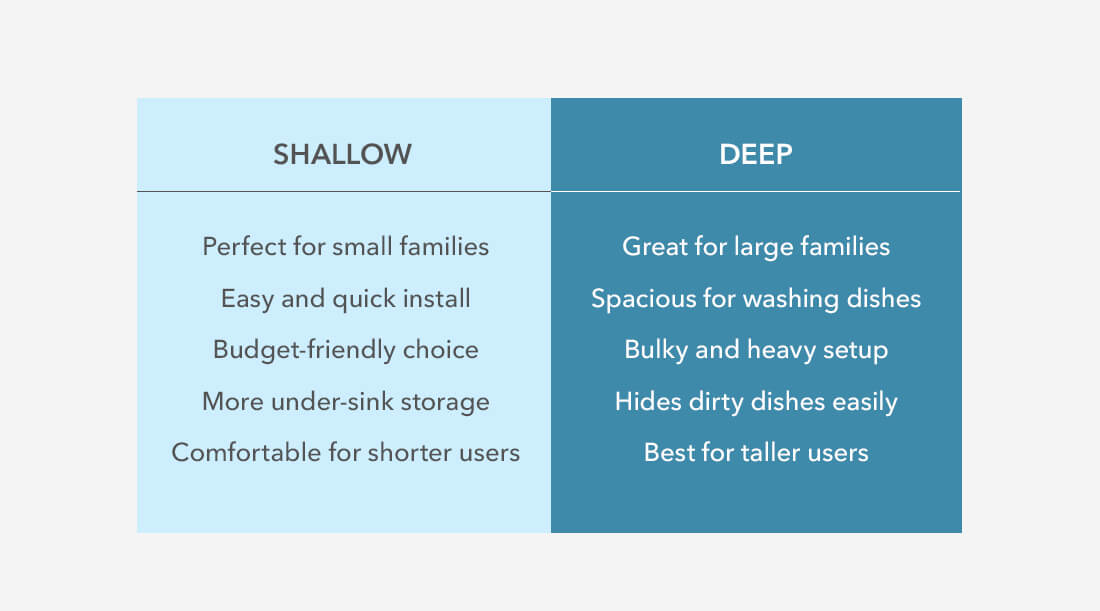
The standard kitchen sink depth ranges from 6 to 12 inches. Shallow sinks, around 6 to 8 inches, are ideal for small kitchens, while deeper sinks, 9 to 12 inches, accommodate larger pots and pans, making them suitable for heavy-duty use.
Standard Kitchen Sink Width
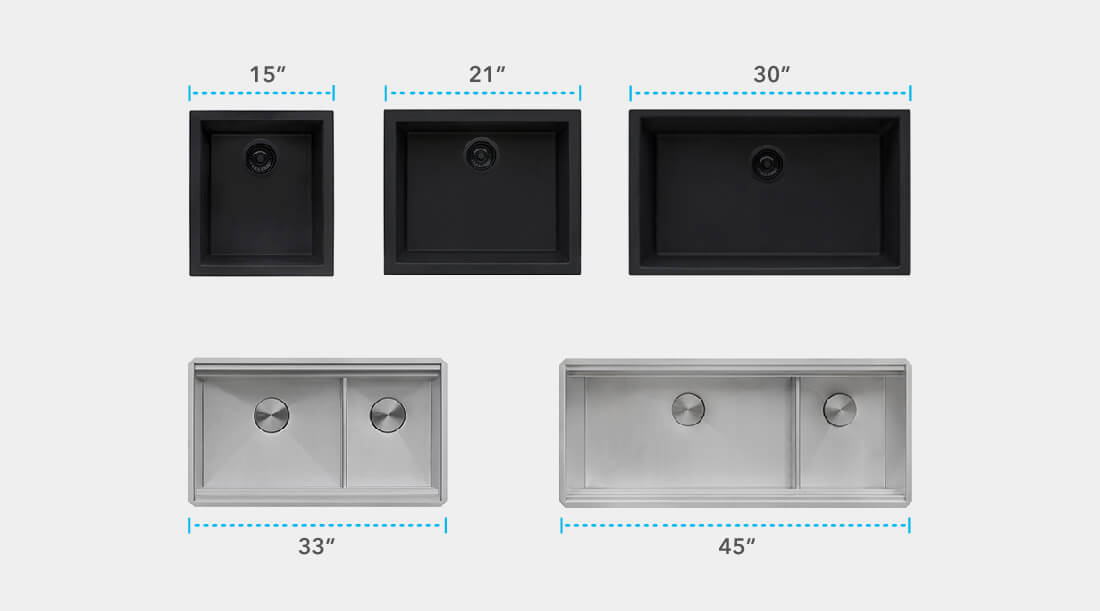
The standard kitchen sink width is typically 22 inches. Single-bowl sinks generally range from 20 to 24 inches wide, while double-bowl sinks can measure 33 to 48 inches in width, providing more workspace for washing and food preparation.
Factors Affecting Kitchen Sink Size
- Kitchen layout: Your kitchen’s layout determines the size and placement of the sink. For example, a U-shaped kitchen can accommodate a larger sink than a galley-style layout.
- Cabinet size: The sink’s dimensions should align with the cabinet dimensions. A standard base cabinet is typically 36 inches tall and 24 inches deep, but always measure your specific cabinet before selecting a sink.

- Counter space: Ensure sufficient counter space on either side of the sink for food preparation and cleanup. Larger sinks are better suited for kitchens with ample counter space, while smaller sinks are necessary for kitchens with limited counter space.
- Personal preferences: Consider your cooking habits and how you use the sink. For instance, a larger sink may be more practical if you frequently wash large pots and pans.
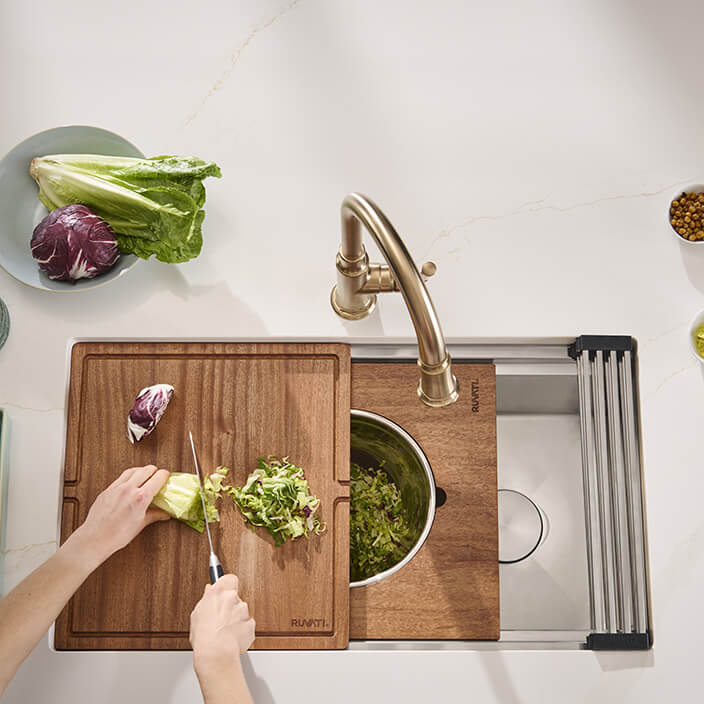
- Stainless steel: Stainless steel is a popular material choice for kitchen sinks due to its resistance to stains and rust, durability, and compatibility with different kitchen designs.
- Stainless steel sinks: Stainless steel sinks are highly favored for their sound-deadening features and resistance to chipping, cracking, and stains. They are constructed from various gauges of 304-grade stainless steel and fit well with numerous kitchen designs.
- Deeper sink: A deeper sink can accommodate stacking and soaking larger pots and dishes, which is beneficial for families that frequently cook and need to clean substantial amounts of cookware. The depth measurement is determined by how far down the sink sits in the cabinet space, which varies among different styles like drop-in, undermount, and apron-front or farmhouse sinks.
Frequently Asked Questions
- What are standard kitchen sink sizes?
Standard sink sizes depend on the type and configuration. Typical dimensions are as follows:
- Single bowl: 22 inches (width) x 24 inches (length) x 8 inches (depth)
- Double bowl (equal): 33 inches (width) x 22 inches (length) x 8 inches (depth)
- Double bowl (offset): 31 inches (width) x 20 inches (length) x 8 inches (depth)
- Triple bowl: 42 inches (width) x 20 inches (length) x 8 inches (depth)
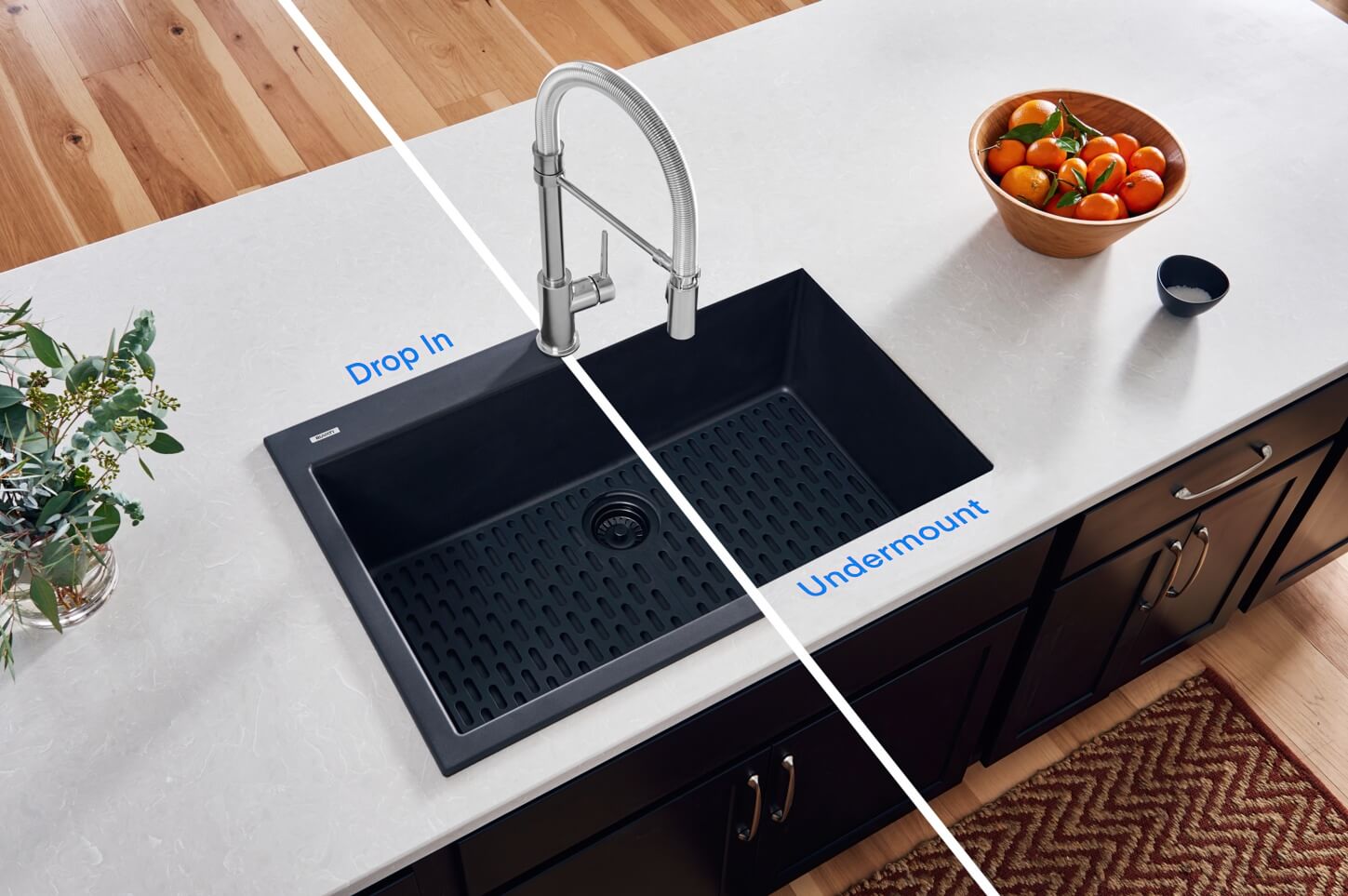
Undermount sinks are mounted beneath the countertop to create a seamless look. This design makes cleaning easier and requires sturdier countertops, like EpiStone or granite, to support the sink properly.
- Is a 27-inch sink big enough for a kitchen?
A 27-inch sink may be suitable for smaller kitchens or compact layouts. However, consider your specific needs and space constraints when determining the appropriate size.
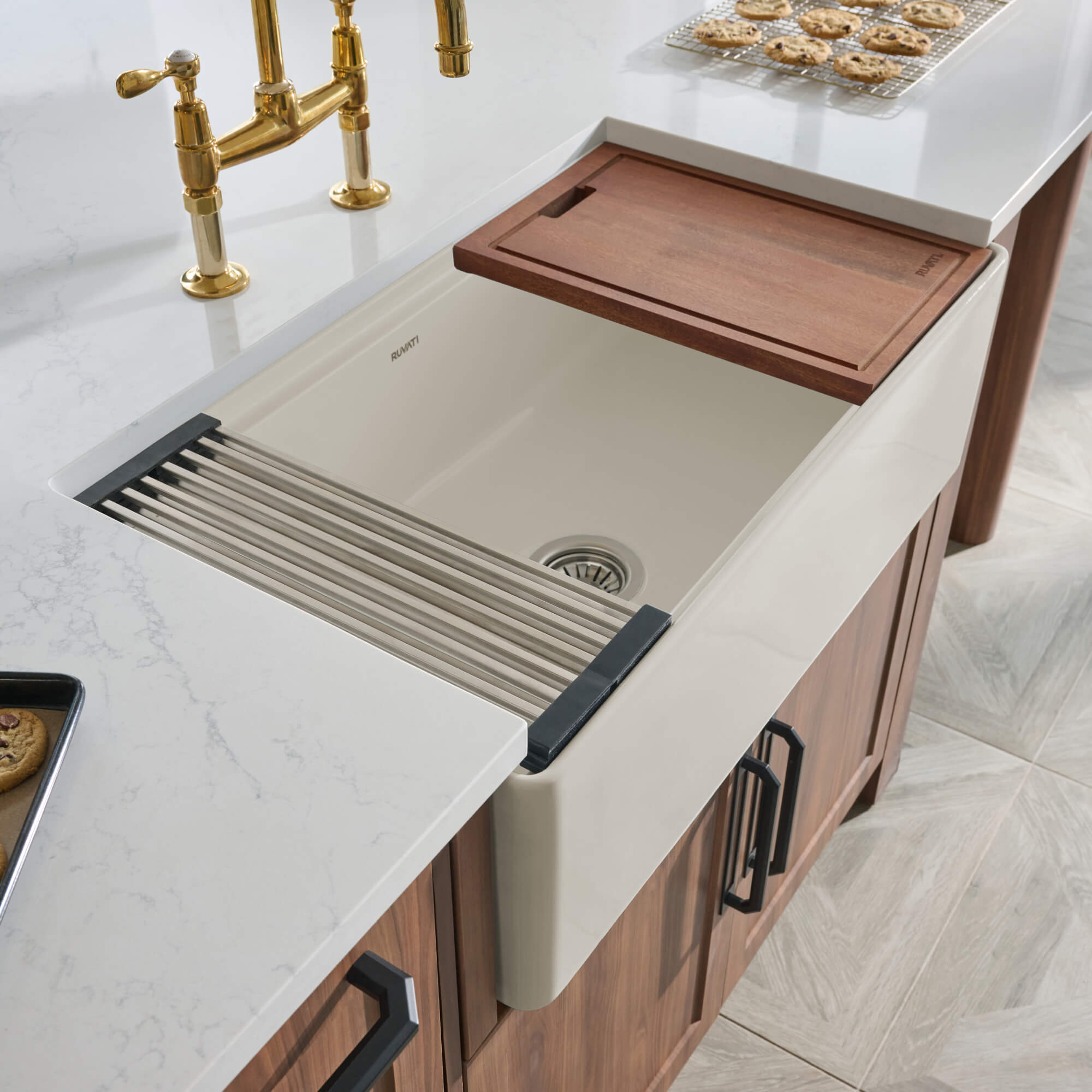
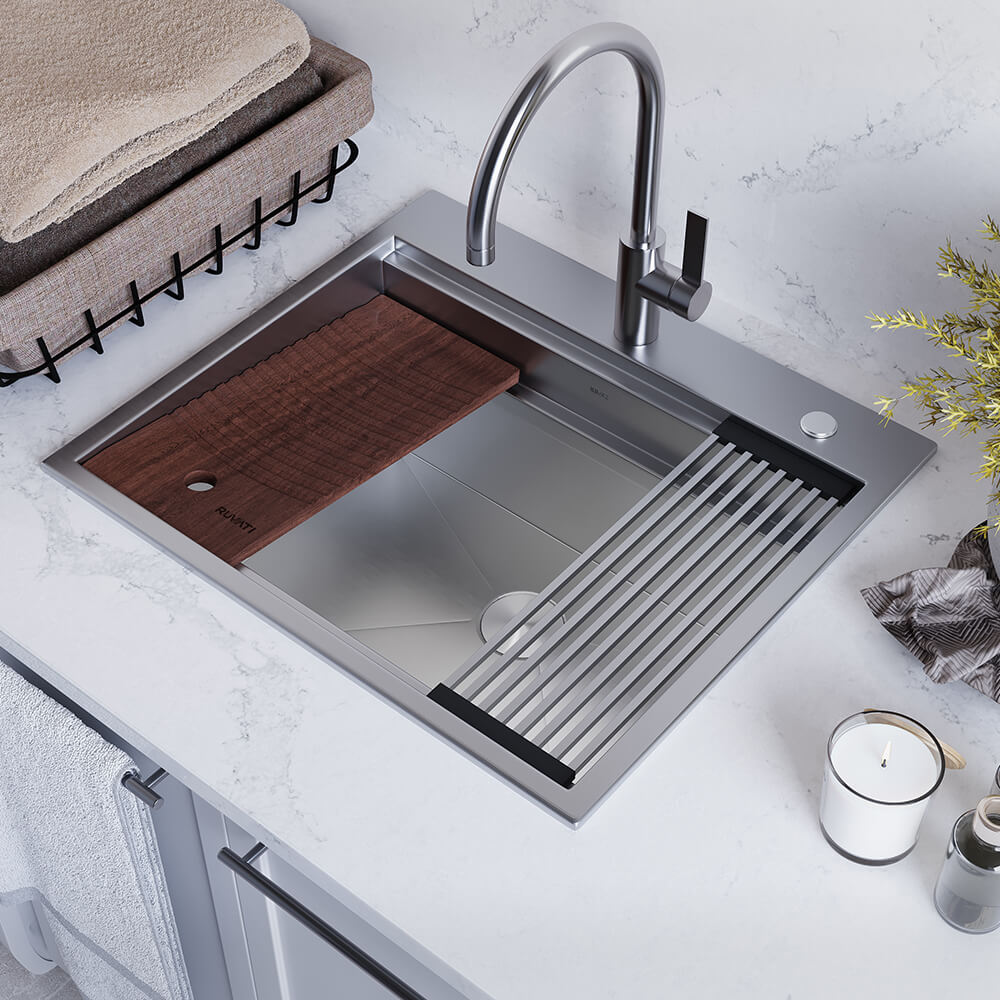
For those with more space, a farmhouse kitchen sink, available in standard dimensions such as 30, 33, or 36 inches, could be an excellent alternative. A drop-in sink, featuring a visible lip around its edges, is easier to install compared to undermount and farmhouse sinks, making it a practical choice for many kitchens. Drop in kitchen sinks fit into pre-cut openings and often come with pre-drilled faucet holes, adding to their versatility with various countertop materials.
- What is the width and height of a kitchen sink?
The standard sink size for kitchens is 22 inches by 30 inches. Single-bowl sinks are typically 22 inches by 24 inches, while double-bowl sinks range from 22 inches by 33 inches to 22 inches by 48 inches. Depths vary between 6 to 12 inches based on design and usage preferences.
Widths vary depending on sink type and configuration. Stainless steel sinks, constructed from various gauges of 304-grade stainless steel, are a popular choice due to their sound-deadening features, resistance to chipping, cracking, and stains, and compatibility with numerous kitchen designs. Drop-in sinks are popular due to their ease of installation, rim design, and compatibility with different countertop materials.
An undermount sink, secured under the countertop using clips and caulking, requires precise measuring techniques as it lacks a visible lip, differentiating it from drop-in and farmhouse sinks.
- Can you put a 36-inch sink in a 36-inch cabinet?
It’s generally not recommended to install a 36-inch sink in a 36-inch cabinet due to space constraints and potential interference with surrounding fixtures. Instead, opt for a sink that leaves a few inches of clearance on each side for proper installation and function.
Choosing the perfect kitchen sink size requires careful consideration of various factors such as layout, cabinet dimensions, and personal preferences. By understanding standard sizes and key aspects of sink selection, you’ll be well-equipped to create a functional and efficient kitchen space. For those with larger cabinets, farmhouse sinks are an excellent alternative, offering large, deep bowls and a versatile design. Our reference library includes videos sure to spark your imagination and assist you in choosing the perfect fit for your kitchen!
Double sinks offer versatility and variety, with dimensions, styles, and configurations such as 50/50 and 60/40 bowl ratios. These choices impact functionality and personal preference in kitchen design.