Cutting boards are essential tools in every kitchen, but choosing the right material can make a big difference in functionality, durability, and aesthetics. When it comes to choosing the perfect cutting board for your kitchen, two popular materials often stand out: Sapele wood and bamboo. Both offer unique characteristics that make them excellent choices for different culinary needs. Let’s dive into a detailed comparison of these two materials to help you make an informed decision for your kitchen.
Cutting Board Materials: Sapele Wood vs. Bamboo
Before diving into specifics, let’s understand the materials:
- Sapele Wood: Sapele is a tropical hardwood known for its rich, reddish-brown color and dense grain. It’s durable, beautiful, and resistant to wear. Unlike edge grain boards, which offer long, clean strips of vertical wood but are harder on knife blades and less forgiving, Sapele wood provides a balanced option for cutting boards. End grain boards, on the other hand, are constructed from the vertical fibers of wood, making them less damaging to knife blades and aesthetically appealing.
- Bamboo Wood: Technically a grass, bamboo has exploded in popularity due to its eco-friendly nature. It’s lightweight, affordable, and sustainable.
Both materials have their unique benefits, but they also have drawbacks. Let’s explore each in detail.
Choosing the Right Cutting Board Material
Key Considerations
When it comes to choosing the right cutting board material, several key factors should guide your decision. First and foremost, consider the type of cooking you do most often. If you frequently handle raw meat, a plastic cutting board might be your best bet due to its ease of cleaning and sanitizing. Plastic cutting boards are dishwasher safe, making them convenient for maintaining hygiene.
On the other hand, if your culinary adventures lean more towards vegetables and fruits, a wooden cutting board could be a better fit. Wooden cutting boards, such as those made from Sapele or maple, are gentler on knife edges and add a touch of warmth to your kitchen decor.
Durability is another crucial consideration. Hardwood cutting boards, like those made from maple or walnut, are known for their resistance to scratches and cracks, making them a long-lasting choice. However, if you’re looking for an eco-friendly and budget-friendly option, bamboo cutting boards are a fantastic alternative. Bamboo is a highly renewable resource and offers excellent durability.
Lastly, think about maintenance. Plastic cutting boards and bamboo cutting boards are relatively low-maintenance, requiring simple hand washing and occasional oiling. Wooden cutting boards, while more durable, do require regular oiling and seasoning to maintain their appearance and functionality.
Sapele Wood Cutting Boards
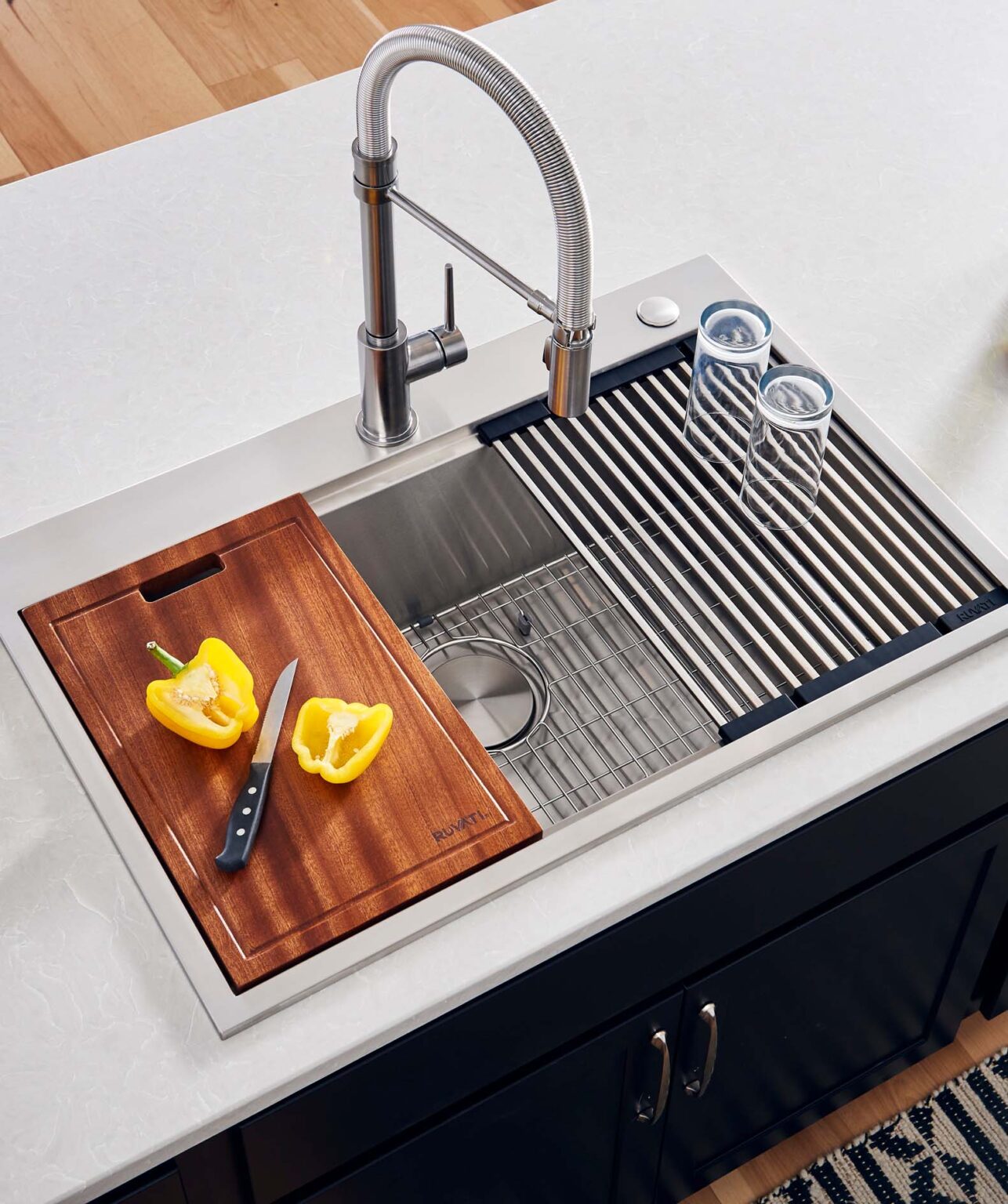
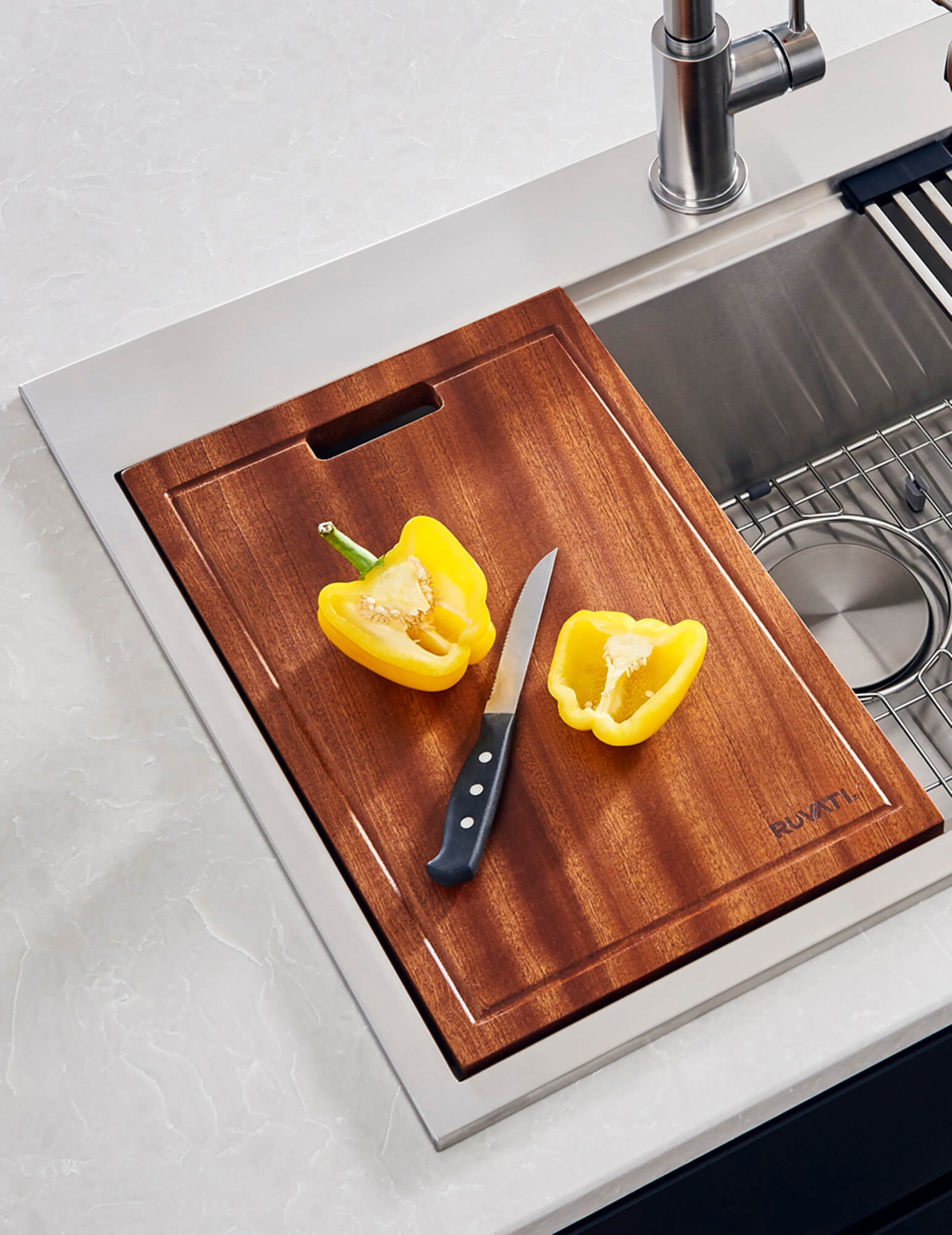
Sapele, a hardwood native to tropical Africa, has gained popularity in recent years as a material for cutting boards due to its durability and aesthetic appeal.
Wood boards, including Sapele, are known for their unique attributes and require regular maintenance to preserve their quality.
Pros of Sapele Wood Cutting Boards
- Durability: Sapele is known for its strength and resistance to wear and tear, making it an excellent choice for long-lasting cutting boards.
- Moisture Resistance: The natural oils in Sapele wood help repel water, reducing the risk of warping or cracking over time.
- Antimicrobial Properties: Sapele possesses natural antimicrobial properties, inhibiting the growth of bacteria and fungi on the cutting surface.
- Aesthetic Appeal: With its rich reddish-brown color and attractive grain patterns, Sapele adds a touch of elegance to any kitchen.
- Knife-Friendly: A good cutting board made from Sapele wood is gentle on knives, preserving their sharp edges while offering stability and ease of cleaning.
- Versatility: Suitable for both meat and vegetables due to its stability and resistance to deep cuts.
Cons of Sapele Wood Cutting Boards
- Maintenance: Most wood boards, including Sapele, require regular oiling to maintain their moisture resistance and appearance and to prevent warping.
- Cost: Sapele can be more expensive than some other hardwoods or bamboo options.
- Weight: Sapele boards tend to be heavier than bamboo alternatives making them less portable, which may be a consideration for some users.
Preparing Sapele for Cutting Board Construction
Sapele is a popular choice for cutting boards due to its durability and attractive grain pattern. However, before using Sapele for cutting board construction, it’s essential to prepare the wood properly. This involves drying and conditioning the wood to ensure it reaches the proper moisture content. Kiln-drying or air-drying are common methods used to achieve this.
Once the wood is dried, the next step is sanding and finishing. Sanding the Sapele wood smooths out any rough edges and brings out its natural beauty. A food-safe finish is then applied to protect the wood and enhance its appearance. This finish not only adds a layer of protection but also makes the cutting board safe for food preparation.
When preparing Sapele for cutting board construction, consider the desired size and shape of the board. Sapele is versatile and can be used to create a wide range of cutting board styles, from small, compact boards to large, rectangular ones. Regardless of the size and shape, always follow proper safety protocols to ensure your cutting board is safe for use.
Bamboo Cutting Boards: Is it Good for Cutting Boards?
Bamboo is a good material for cutting boards due to its durability, resistance to knife scarring, and natural antibacterial properties. It is harder than most woods, making it less prone to absorbing moisture and odors, but gentle enough to avoid dulling knives. Bamboo is also an eco-friendly choice.
Bamboo, technically a grass, has become increasingly popular as a cutting board material due to its sustainability and unique properties.
Compared to other cutting boards, bamboo is not only eco-friendly but also offers a harder surface, making it less prone to knife marks and easier to clean, though it should be hand-washed rather than placed in a dishwasher.
Pros of Bamboo Cutting Boards
- Sustainability: Bamboo grows rapidly and requires no pesticides, making it an eco-friendly choice.
- Durability: Bamboo is harder than many hardwoods, resisting knife scarring and dents effectively.
- Lightweight: Bamboo boards are generally lighter than hardwood alternatives, making them easy to handle and store.
- Affordability: The best cutting boards made from bamboo are often more affordable than hardwood options, making them a great budget-friendly option.
Cons of Bamboo Cutting Boards
- Harder on Knives: The density of bamboo can potentially dull knives faster than softer woods, unlike plastic boards which, while easier on knives, may have other drawbacks such as less durability and resistance to staining and odors.
- Not Dishwasher Safe: Bamboo boards should be hand-washed to prevent damage. They are more susceptible to cracking or splitting if not cared for properly.
- Porosity: Bamboo is slightly more porous than some hardwoods, potentially making it harder to clean thoroughly. Excessive moisture can cause warping or mildew.
Types of Bamboo Cutting Boards
Bamboo cutting boards are a popular choice for eco-conscious cooks, and for good reason. Bamboo is a highly renewable resource that’s resistant to moisture and humidity, making it an ideal choice for cutting boards. There are several types of bamboo cutting boards available, each with its unique benefits:
- Solid Bamboo Cutting Boards: These boards are made from a single piece of bamboo and are known for their durability and resistance to scratches. They provide a sturdy surface for all your chopping needs.
- Engineered Bamboo Cutting Boards: These boards are made from multiple layers of bamboo that are pressed together to create a strong and stable surface. This construction method enhances the board’s durability and resistance to warping.
- Bamboo Composite Cutting Boards: These boards are made from a combination of bamboo and other materials, such as plastic or wood. They are known for their affordability and eco-friendliness, offering a balance between durability and cost.
Regardless of the type of bamboo cutting board you choose, be sure to follow proper care and maintenance instructions to ensure it lasts for years to come. Regular cleaning and occasional oiling will keep your bamboo cutting board in top condition.
Best Material for Cutting Board: Meat vs. Vegetables
For Meat:
When it comes to cutting meat, especially raw meat, plastic cutting boards are often recommended due to their non-porous surface, which makes them easier to sanitize. However, for slicing cooked meats, a wooden board is highly suitable. Wooden boards are durable, knife-friendly, and offer a unique aesthetic appeal, making them an excellent choice for serving and slicing cooked meats.
While both Sapele and bamboo can be used for cutting meat, Sapele’s natural antimicrobial properties give it a slight edge. However, it’s crucial to clean the board thoroughly after use.
For Vegetables:
Both materials work well for vegetables. Bamboo’s hardness makes it particularly resistant to knife marks, which can be beneficial when chopping harder vegetables. An end grain board, constructed from the vertical fibers of wood, is also knife-friendly as it is less damaging to knife blades compared to Sapele and bamboo.
Knives Out: How the Texture of Sapele Wood and Bamboo Affects Knife Function
The textures of Sapele and Bamboo significantly impact the performance of cutting boards, each offering unique characteristics that influence their functionality in the kitchen.
Sapele Cutting Boards
Texture and Grain Structure
Sapele wood has a tight grain structure with interlocking patterns, which contributes to its durability and resistance to wear.
This texture provides several benefits for cutting boards:
- Moisture Resistance: The tight grain helps repel water, reducing the risk of warping or cracking over time.
- Antimicrobial Properties: Sapele’s natural oils and tight grain inhibit bacterial growth, making it a hygienic choice for food preparation.
- Scratch Resistance: The interlocking grain pattern makes Sapele more resistant to deep scratches from knives compared to some other woods.
Impact on Knife Edges
While Sapele is generally kind to knife edges, it is slightly harder than some traditional cutting board woods:
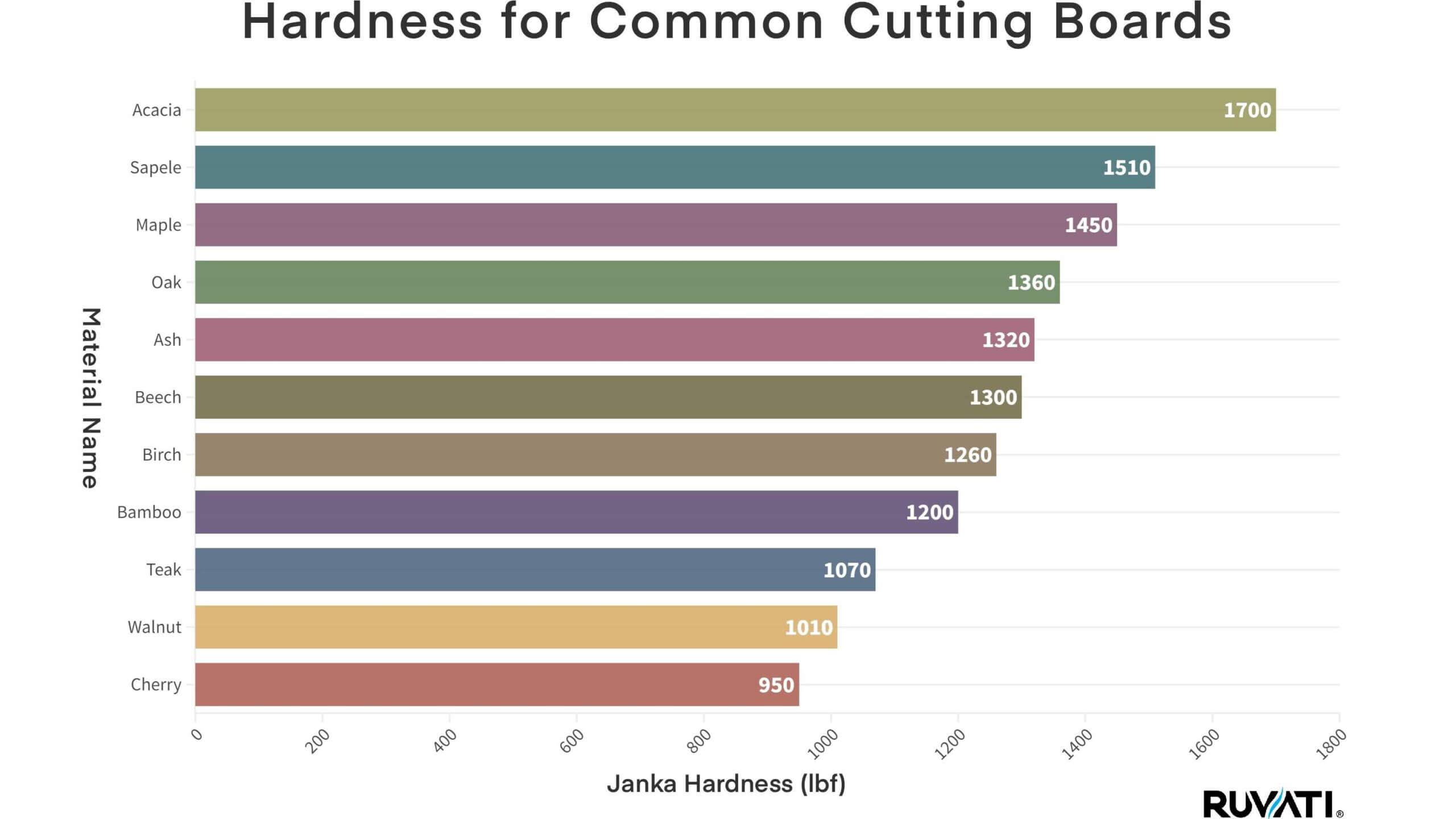
- Moderate Hardness: With a Janka hardness rating around 1,510 lbf, Sapele is harder than walnut but softer than maple, providing a good balance for knife edges.
- Edge Retention: The moderate hardness helps maintain knife sharpness better than extremely hard woods or bamboo.
Bamboo Cutting Boards
Texture and Composition
Bamboo cutting boards are made from compressed bamboo fibers, resulting in a dense and hard surface:
- High Density: Bamboo is harder than many hardwoods, which affects its interaction with knife edges.
- Smooth Surface: The compressed fibers create a smooth, tight surface that resists water absorption.
Impact on Knife Edges
The texture of bamboo cutting boards has a significant effect on knife performance:
- Faster Dulling: Due to its hardness, bamboo can potentially dull knife edges faster than softer woods.
- Wear Resistance: The dense structure of bamboo makes it highly resistant to knife marks and scratches.
Comparative Performance
When comparing Sapele and bamboo cutting boards:
- Durability: Both materials are known for their longevity, but bamboo tends to be more resistant to surface damage.
- Knife Friendliness: Sapele is generally kinder to knife edges compared to bamboo due to its softer nature.
- Maintenance: Sapele requires regular oiling to maintain its moisture resistance and appearance. Bamboo boards are easier to maintain and dry faster after washing.
- Hygiene: Both materials have natural antimicrobial properties, but Sapele’s tighter grain may provide a slight edge in preventing bacterial growth
- Aesthetics: Sapele offers a rich, reddish-brown color with attractive grain patterns, while bamboo provides a lighter, more uniform appearance.
The texture of Sapele provides a good balance of durability and knife-friendliness, making it an excellent choice for those prioritizing knife edge retention and natural aesthetics. Bamboo, with its harder texture, offers superior resistance to wear and tear but may require more frequent knife sharpening. The choice between the two ultimately depends on individual preferences for maintenance, durability, and knife care.
Wood Cutting Board Care and Cleaning
Proper care is essential for maintaining both Sapele and bamboo cutting boards:
- Hand Wash Only: Use warm, soapy water and avoid soaking the board.
- Dry Immediately: After washing, dry the board thoroughly with a clean towel.
- Oil Regularly: Apply food-grade mineral oil to keep the wood moisturized and prevent cracking.
- Deep Clean Occasionally: For a thorough clean, use a mixture of lemon juice, salt, and baking soda.
Wooden boards are generally more gentle on knives compared to bamboo, making them a preferred choice for preserving knife edges.
Additional Tips:
- Never soak a wooden cutting board in water.
- Proper storage and maintenance of wooden boards are crucial to their longevity. Wooden boards should be cleaned with mild soap and water, dried thoroughly, and stored upright to prevent warping. Regularly oiling wooden boards helps maintain their durability and aesthetic appeal.
Safety Considerations
When it comes to cutting boards, safety is a top priority. Here are a few safety considerations to keep in mind:
- Choose Food-Safe Materials: Always select a cutting board made from food-safe materials, such as wood, plastic, or bamboo. These materials are safe for food preparation and help prevent contamination.
- Avoid Damaged Boards: Do not use cutting boards that are damaged or worn, as they can harbor bacteria and other contaminants. Replace any cutting board that shows significant signs of wear and tear.
- Clean and Sanitize: Always clean and sanitize your cutting board after use. Use warm, soapy water and a scrub brush to remove food particles, and dry the board thoroughly to prevent moisture accumulation.
- Proper Size: Use a cutting board that’s large enough to accommodate the food you’re preparing. A larger board provides more space and reduces the risk of accidents.
- Non-Slip Features: Consider using a cutting board with a non-slip bottom or feet to prevent it from slipping or sliding during use. This feature enhances stability and safety while cutting.
By following these safety considerations, you can help ensure a safe and healthy cooking experience for yourself and your loved ones. A well-maintained cutting board not only enhances your culinary skills but also contributes to a safer kitchen environment.
FAQs
Q: Which cutting board is better for knives: Sapele or Bamboo?
Sapele wood is better for knives because it’s softer and less likely to dull the blades compared to the hard surface of bamboo.
Q: Can Sapele wood or bamboo cutting boards be used for raw meat?
Yes, both can be used, but Sapele wood’s dense structure makes it less prone to bacterial contamination.
Q: Can I use the same cutting board for both meat and vegetables?
It’s best to use separate boards for meat and vegetables to prevent cross-contamination. If you must use the same board, always clean it thoroughly between uses.
Q: How often should I oil my wood cutting board?
Generally, you should oil your board every 3-4 weeks, or when it starts to look dry. Proper care of a wooden board includes regular oiling to maintain its durability and knife-friendliness.
Q: Are bamboo cutting boards safe for food preparation?
Yes, bamboo cutting boards are safe for food preparation. They are naturally antimicrobial and resistant to water absorption.
Q: Are bamboo cutting boards really eco-friendly?
Yes, bamboo is one of the most sustainable materials because it grows quickly and regenerates naturally.
Choosing Your Culinary Canvas
For the passionate culinary enthusiast, selecting the perfect cutting board is akin to an artist choosing their canvas. Both Sapele wood and bamboo offer exceptional qualities that can elevate your kitchen experience.
Sapele, with its rich, warm tones and natural antimicrobial properties, is the connoisseur’s choice. It’s not just a cutting board; it’s a statement piece that whispers of exotic locales and brings a touch of luxury to your prep work. The slight give under your knife, the subtle aroma of the wood, and the knowledge that you’re working on a surface that naturally resists bacteria – these are the hallmarks of a Sapele board that can transform your cooking routine into a sensory journey.
Bamboo, on the other hand, is the eco-warrior’s ally in the kitchen. Its rapid growth and sustainability credentials make it a choice you can feel good about. The satisfying ‘thock’ of your knife on its dense surface, the lightweight maneuverability, and the knowledge that you’re using one of the hardest natural materials available – these are the joys of a bamboo board that can inspire you to chop, dice, and slice with renewed vigor.
Ultimately, the choice between Sapele and bamboo is a reflection of your culinary personality. Are you the chef who revels in tradition and the finer things, or the innovator who embraces sustainable modernity? Whichever you choose, remember that your cutting board is more than just a tool – it’s the stage upon which your culinary creations come to life.
So, whether you’re drawn to the timeless elegance of Sapele or the eco-friendly resilience of bamboo, embrace your choice. With proper care, your new cutting board will be a faithful companion on countless culinary adventures, helping you craft meals that are not just nourishing, but truly memorable. After all, in the hands of a passionate cook, even the humble act of chopping becomes an art form – and every artist deserves the perfect canvas.