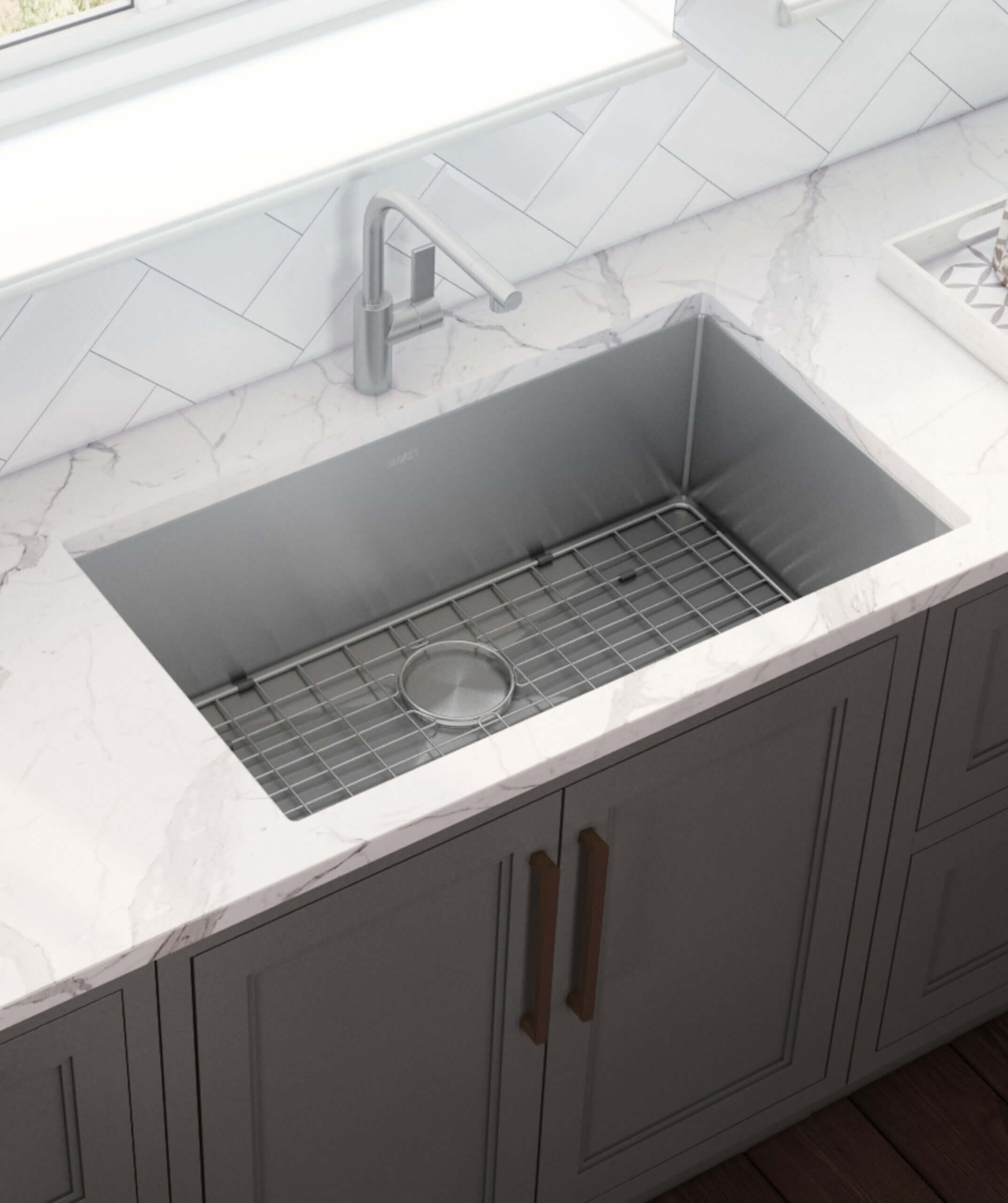
A gleaming stainless-steel sink is the crown jewel of any kitchen. Whether you’re a home renovator or a culinary enthusiast, keeping your sink in top condition is essential for both aesthetics and hygiene. This comprehensive guide will walk you through the best practices for cleaning and maintaining your stainless steel kitchen sink, ensuring it remains a stunning focal point in your kitchen for years to come.
Daily Care for Your Stainless Steel Sink
Cleaning your stainless-steel sink doesn’t have to be a chore. Regular care with a simple rinse and wipe is enough to keep your sink clean with every day use.
Rinse and Dry Regularly
The simplest yet most effective step in your stainless-steel care and maintenance guide is to rinse and dry your sink after each use. This prevents water spots and mineral buildup, keeping your sink looking fresh.
Use Gentle Cleaning Methods
When cleaning your stainless-steel sink, remember that gentle is best. Sprinkle baking soda on the sink’s surface as part of a gentle cleaning routine. A soft cloth or sponge with mild dish soap is usually sufficient for daily cleaning.
Avoid Harsh Chemicals
Colored stainless-steel sinks are more sensitive to harsh chemicals than their traditional counterparts. Avoid using chlorine bleach, ammonia, or acidic cleaners as they can damage the colored finish and cause the color to become dull and faded over time.
Maintenance Tips
Regular maintenance is key to keeping your sink looking its best:
- Wipe the sink dry after each use to prevent water spots.
- Clean the sink at least once a week with a gentle cleaner.
- Always clean in the direction of the grain to avoid scratches.
- Consider using a sink bottom grid to protect the surface from scratches.
What Can I Use to Clean My Stainless Steel Sink?
When it comes to cleaning products, less is often more for stainless steel sinks. Here are some safe and effective options:
- Dish soap and warm water
- Baking soda paste
- White vinegar solution (1:1 ratio with water)
- Commercial Cleaning Products:
Avoid using harsh chemicals like chlorine bleach, as these can damage the sink’s surface.
Chemical-Free Alternatives to Clean Your Stainless-Steel Sink
When it comes to cleaning stainless steel sinks naturally, several effective options are available that are both eco-friendly and readily accessible in most households:
Baking Soda and Vinegar
This powerful combination is a go-to for many homeowners:
- Sprinkle baking soda generously over the sink’s surface.
- Spray white vinegar over the baking soda.
- Let the mixture fizz for a few minutes, which helps lift dirt and grime.
- Scrub gently with a soft cloth or sponge in the direction of the grain.
- Rinse thoroughly with warm water.
The fizzing action of baking soda and vinegar helps break down stains and buildup without harsh chemicals.
Lemon and Salt
For a fresh-smelling clean:
- Cut a lemon in half and sprinkle coarse salt on the cut side.
- Use the lemon half as a natural scrubber, rubbing it over the sink’s surface.
- The acid in the lemon breaks down stains while the salt provides gentle abrasion.
- Rinse well with warm water and dry for a sparkling finish.
White Vinegar Solution
A simple vinegar solution can be highly effective:
- Mix equal parts distilled white vinegar and water in a spray bottle.
- Spray the solution over the entire sink surface.
- Let it sit for a few minutes to dissolve mineral deposits and water spots.
- Wipe clean with a soft cloth and rinse thoroughly.
Olive Oil
While not a cleaner per se, olive oil can be used as a natural polish:
- After cleaning and drying the sink, pour a small amount of olive oil onto a dry cloth.
- Rub it onto the sink, working in the direction of the grain.
- Wipe off any excess oil to leave a streak-free shine.
By using these natural cleaning agents, you can effectively clean and maintain your stainless steel sink without resorting to harsh chemicals, keeping your kitchen both clean and environmentally friendly.
How to Remove Water Spots from Stainless Steel Sink
Water spots can be a persistent issue, but they’re easy to tackle with the right approach:
- Create a paste using baking soda and water.
- Apply the paste to the affected areas.
- Gently scrub with a soft cloth in the direction of the grain.
- Rinse thoroughly and dry with a microfiber cloth.
For stubborn spots, you can try using white vinegar or lemon juice as a natural alternative.
How to Remove Mineral Deposits from Stainless Steel Sink
To effectively remove mineral deposits from a stainless steel sink, the best method is to use white vinegar. This natural and affordable solution is highly effective at dissolving hard water stains and calcium buildup. Here’s a step-by-step process:
- Empty and rinse your sink thoroughly.
- Pour white vinegar into a spray bottle or directly onto the affected areas.
- Let the vinegar sit on the mineral deposits for about 15-30 minutes.
- For stubborn stains, you can enhance the cleaning power by:
- Soaking paper towels or a soft cloth in vinegar and placing them over the deposits.
- Creating a paste with baking soda and water, applying it to the stains, and then spraying vinegar over it for a fizzing reaction.
- After the soaking period, use a non-abrasive sponge or soft cloth to gently scrub the area in the direction of the grain.
- Rinse the sink thoroughly with warm water.
- Dry the sink completely with a soft microfiber cloth to prevent new water spots.
For particularly stubborn deposits, you can repeat this process or leave the vinegar solution on for a longer period. It’s important to avoid using abrasive materials like steel wool or harsh chemicals, as these can damage the stainless steel surface.
Regular maintenance by drying your sink after each use can help prevent mineral buildup in the future. This method is not only effective but also eco-friendly and safe for your stainless steel sink, ensuring it remains clean and shiny without risking damage to the surface.
How to maintain that “showroom ready” look:
To maintain the shine of your stainless steel sink, you should follow a regular cleaning routine that includes daily, weekly, and monthly tasks:
Daily Maintenance
· Rinse the sink with warm water after each use to remove food particles and residue.
· Wipe the sink dry with a soft cloth or microfiber towel to prevent water spots, especially if you have hard water.
Weekly Deep Cleaning
Perform a thorough cleaning of your stainless steel sink once a week:
· Use baking soda or a specialized stainless steel cleaner for a deep clean.
· Scrub gently in the direction of the grain using a non-abrasive sponge or soft cloth.
· Rinse thoroughly and dry with a microfiber cloth for a streak-free finish.
Monthly Polishing
Once a month, consider polishing your sink to restore its shine and protect the surface:
· Use a stainless steel-specific polish such as Hope’s Perfect Stainless Steel Cleaner and Polish or Bar Keepers Friend or a small amount of olive oil on a dry cloth.
· Work the polish in the direction of the grain to enhance the sink’s luster.
Maintenance Tips
Regular maintenance is key to keeping your sink looking its best:
- Wipe the sink dry after each use to prevent water spots.
- Clean the sink at least once a week with a gentle cleaner.
- Always clean in the direction of the grain to avoid scratches.
- Consider using a sink bottom grid to protect the surface from scratches
By following this cleaning schedule, you can keep your stainless steel sink looking pristine and extend its lifespan. Remember, consistent care is key to maintaining the sink’s shine and preventing buildup of grime and bacteria.
Elevate Your Kitchen’s Heart: The Lasting Impact of Proper Sink Care
Your stainless steel sink is more than just a functional element—it’s the beating heart of your kitchen, witnessing countless culinary creations and family gatherings. By embracing these care techniques, you’re not just cleaning a sink; you’re preserving a centerpiece that reflects your commitment to excellence.
Imagine running your hand over a surface so smooth and brilliant, it rivals the day you first installed it. This isn’t just a dream—it’s the reality of a well-maintained stainless steel sink. With each wipe, rinse, and polish, you’re not only removing stains but also investing in your home’s value and your daily comfort.
Remember, consistency is your secret weapon. A few minutes of care each day can save hours of scrubbing later and keep your sink in showroom condition. As you master these techniques, you’ll find that maintaining your sink becomes second nature—a small ritual that yields significant rewards.
Let your stainless steel sink become a testament to your home’s quality and your attention to detail. When friends and family gather in your kitchen, let them be captivated not just by the aroma of your cooking, but by the gleaming, immaculate sink that anchors your space.
Embrace these methods, and watch as your sink transforms from a mere fixture to a stunning focal point that elevates your entire kitchen experience. Your commitment to care today ensures a lifetime of brilliance tomorrow.
FAQs for Stainless Steel Sink Care
Q: Can I use steel wool to clean my stainless steel sink?
No, steel wool and other abrasive materials should never be used on stainless steel sinks. They can scratch the surface and leave behind particles that may rust.
Q: How often should I deep clean my stainless steel sink?
A deep clean using baking soda or a specialized stainless steel cleaner is recommended once every 1-2 weeks, depending on usage.
Q: Is it safe to use vinegar on my stainless steel sink?
Yes, white vinegar is safe and effective for cleaning stainless steel sinks. It can be particularly useful for removing hard water stains.
Q: How can I prevent rust on my stainless steel sink?
A: To prevent rust, avoid leaving cast iron cookware or other metals in the sink for extended periods. Always dry the sink after use and address any scratches promptly.

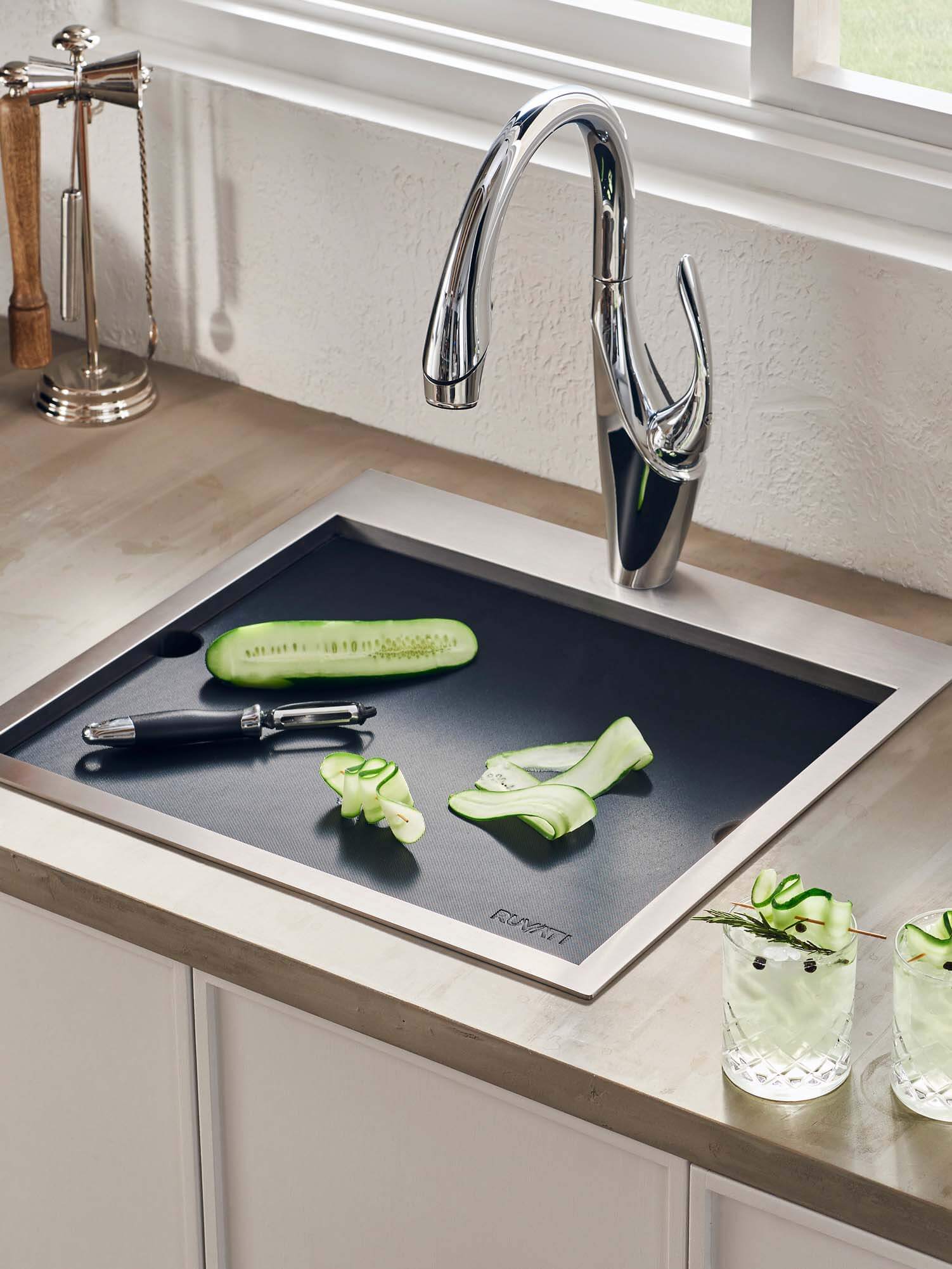


Stainless steel is one of the most durable materials for kitchen sinks. For almost a century, stainless steel sinks have been the sink of choice for American kitchens.