Are you dreaming of a kitchen makeover but worried about the costs? You’re not alone. A kitchen remodel is one of the most significant home improvement projects, both in terms of investment and impact. As we look ahead to 2025, understanding the ins and outs of kitchen renovation budgets is more crucial than ever.
Why Your Kitchen Renovation Budget Matters
Your kitchen is the heart of your home – a space where culinary creations come to life, families gather, and memories are made. Kitchen remodels vary greatly in cost and scope, depending on whether you are changing the kitchen’s layout or simply updating its existing features. A well-planned remodel can transform this essential space, boosting your home’s value and enhancing your daily life. However, without a solid grasp on budgeting, your dream kitchen could quickly turn into a financial nightmare.
What You’ll Learn in This Guide
This comprehensive guide will walk you through everything you need to know about kitchen remodel costs in 2025. We’ll cover:
· Average costs and what influences them: From minor updates to major overhauls
· Latest design trends: What’s hot in kitchen aesthetics and functionality
· Latest design trends: The importance of creating versatile areas that blend functionality and comfort for casual dining experiences
· Cost-saving strategies: Smart ways to stretch your budget without compromising quality
· Key components and their costs: From cabinets to countertops and everything in between
· Planning tips: How to approach your remodel for the best results
Whether you’re considering a small kitchen remodel or a luxurious renovation, this guide will help you navigate the financial aspects of your project with confidence. We’ll explore various kitchen styles, from French country kitchens to modern minimalist designs, and how they impact your budget. Plus, we’ll dive into smart strategies like cabinet refacing and strategic splurging to help you get the most bang for your buck.
Understanding Kitchen Remodel Costs in 2025
As we step into 2025, kitchen remodels continue to be a significant investment for homeowners, varying greatly in cost and scope. The average kitchen remodel cost has seen a notable increase, now ranging from $14,593 to $41,521, with most homeowners spending around $26,966.
This wide range reflects the variety of choices available to homeowners, from minor updates to complete overhauls.
Average Kitchen Remodel Cost
When planning a kitchen remodel, understanding the potential costs is crucial. The average kitchen remodel cost can vary widely, ranging from as little as $1,000 for minor updates to as much as $300,000 for high-end, luxury renovations. Several factors influence these costs, including the size of the kitchen, the quality of materials, and the scope of the project.
For instance, a small kitchen remodel might involve simple updates like painting walls, refacing cabinets, and installing a new subway tile backsplash, which could cost between $5,000 and $15,000. On the other hand, a major remodel that includes custom cabinetry, quartz countertops, and high-end appliances can easily exceed $100,000.
Location also plays a significant role in determining costs. Remodeling in metropolitan areas tends to be more expensive due to higher labor and material costs. Additionally, the type of home and its existing condition can impact the overall budget. Older homes may require more extensive work, such as updating plumbing and electrical systems, which can add to the cost.
By understanding these factors, you can better plan your kitchen remodel and set a realistic budget that aligns with your vision and financial constraints.
Factors Affecting Kitchen Remodel Costs
Several key factors influence the final price tag of your kitchen remodels, which can vary greatly in cost and scope:
- Kitchen Size: Larger kitchens naturally require more materials and labor, increasing costs. On average, expect to spend $150 per square foot, though this can range from $75 to $250 depending on the project’s scope.
- Quality of Materials: High-end finishes and appliances significantly impact the budget. Custom cabinets, natural stone countertops, and luxury appliances can quickly elevate costs.
- Project Scope: The extent of your remodel plays a crucial role. A minor refresh might cost as little as $10,000, while a major upscale renovation could exceed $150,000.
- Location: Your geographical location greatly affects labor and material costs. Major metropolitan areas like New York City or San Francisco tend to have higher renovation costs compared to smaller cities or rural areas.
- Layout Changes: Altering your kitchen’s footprint, including moving plumbing or electrical systems, can substantially increase costs.
- Labor Costs: Professional labor typically accounts for 30-40% of the total budget, varying based on project complexity and local rates.
Cost Breakdown by Project Scope
To help you budget effectively, here’s a detailed breakdown of costs based on the variety in cost and scope of kitchen remodels:
- Minor Remodel: $10,000 – $20,000
Includes: Cabinet refacing, new countertops, updated sink and faucet, fresh paint, and possibly new flooring.
- Midrange Remodel: $20,000 – $65,000
Includes: New semi-custom cabinets, energy-efficient appliances, updated lighting, and potentially minor layout changes.
- Major Remodel: $65,000 – $130,000+
Includes: Custom cabinetry, high-end appliances, luxury countertops, designer fixtures, and often significant layout alterations.
- Upscale Renovation: $130,000 – $200,000+
Includes: Top-of-the-line everything, potential room expansion, and architectural changes.
It’s important to note that these ranges can vary based on your specific location and choices. For instance, a major kitchen remodel in San Francisco might cost between $40,000 and $72,000, while the same project in a more affordable market could be significantly less.
Remember to factor in a contingency budget of 10-20% for unexpected expenses that often arise during renovations.
Understanding these cost factors and breakdowns, will help you plan your kitchen remodel and make informed decisions that align with your budget and vision for your new kitchen.
Planning Your Kitchen Layout
Planning your kitchen layout is a crucial step in creating a functional and beautiful space. A well-designed layout can significantly enhance the overall feel and usability of your kitchen. Here are some essential tips to consider when planning your kitchen layout:
- Assess Your Space: Start by evaluating the size and shape of your kitchen. Consider the existing layout and identify any limitations or opportunities for improvement. Think about how you use the space and what changes could enhance its functionality.
- Optimize Workflow: The kitchen work triangle—comprising the sink, stove, and refrigerator—is a key concept in kitchen design. Ensure these elements are positioned to allow for efficient movement and easy access. This setup can make cooking and cleaning more convenient.
- Maximize Storage: Incorporate ample storage solutions to keep your kitchen organized and clutter-free. Use a combination of cabinets, drawers, and open shelving to make the most of vertical and horizontal space. Consider adding a kitchen island for additional storage and counter space.
- Consider Traffic Flow: Ensure there is enough space for people to move comfortably within the kitchen. Avoid placing major appliances or fixtures in high-traffic areas to prevent congestion. If you entertain guests frequently, consider an open-concept layout that allows for easy interaction.
- Plan for Flexibility: Design your kitchen layout to accommodate future changes. For example, leave space for potential upgrades or additional appliances. This flexibility can save you time and money in the long run.
By carefully planning your kitchen layout, you can create a space that is both functional and aesthetically pleasing, making your daily tasks more enjoyable and efficient.
Types of Kitchen Layouts
Choosing the right kitchen layout is essential for creating a space that meets your needs and preferences. Here are some popular kitchen layouts, each with its unique characteristics and benefits:
- Galley Layout: The galley layout features two parallel rows of cabinets and countertops with a narrow aisle in between. This design is ideal for small kitchens, as it maximizes space efficiency and creates an efficient work triangle. It’s perfect for those who need a functional and compact kitchen.
- L-Shape Design: The L-shape design consists of two rows of cabinetry set perpendicular to each other, forming an L. This layout works well in both large and small kitchens, providing ample counter space and allowing for an open feel. It also offers flexibility for adding a dining area or kitchen island.
- One-Wall Layout: In a one-wall layout, all cabinets, countertops, and appliances are placed along a single wall. This design is popular in smaller homes and apartments, as it maximizes the use of space and keeps everything within easy reach. It’s a simple and efficient layout that can be enhanced with a kitchen island for additional storage and prep space.
- U-Shaped Design: The U-shaped design features cabinets on three walls, creating a horseshoe shape. This layout provides substantial storage and counter space, making it ideal for larger kitchens. The sink is often placed in the middle, creating a central workspace that is both functional and convenient.
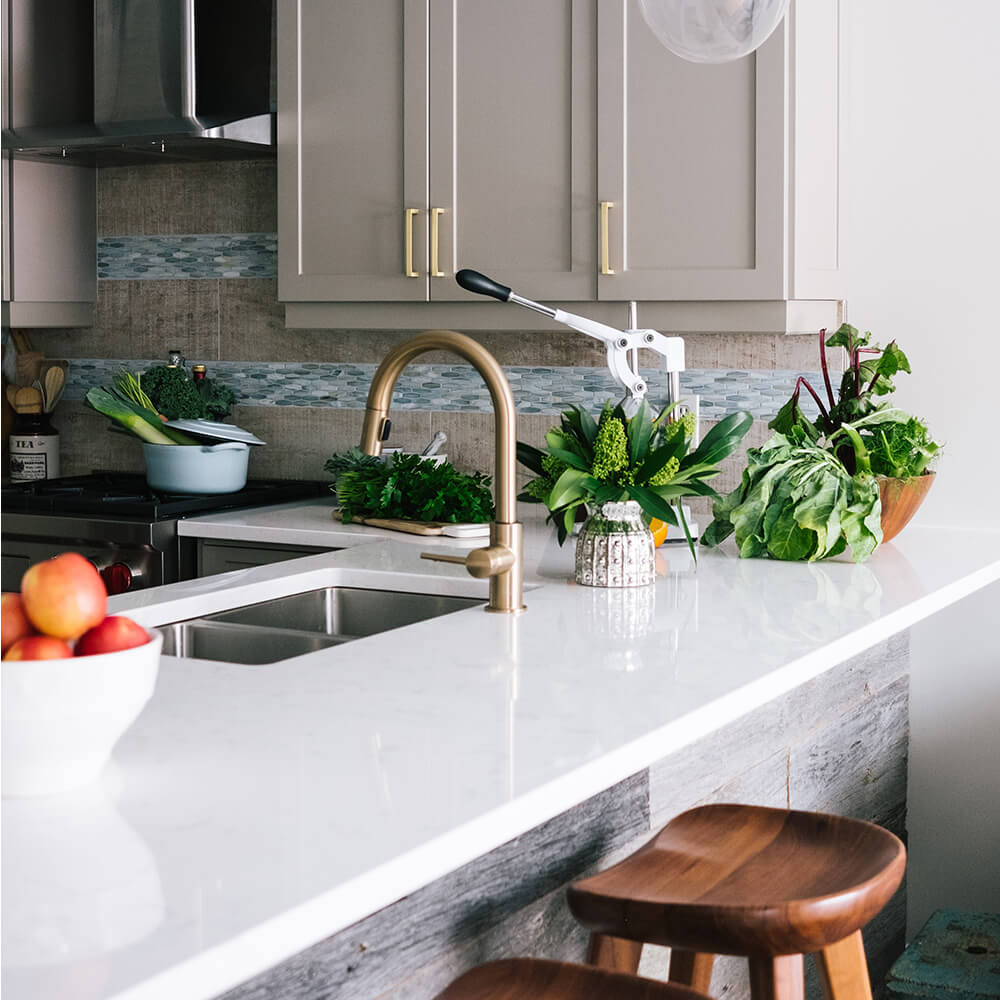
- Island Layout: An island layout includes a free-standing island in the center of the kitchen. The island can serve multiple purposes, such as additional counter space, storage, and even housing appliances like a sink or cooktop. This layout is perfect for those who love to entertain guests, as it provides a focal point for socializing and meal preparation.
- Peninsula Layout: The peninsula layout is a combination of a galley and an island layout. It features a connected island that extends from one wall, creating a semi-enclosed space. This design offers the benefits of an island while maximizing the use of available space, making it suitable for both small and large kitchens.
By understanding the different types of kitchen layouts, you can choose the one that best fits your space and lifestyle, ensuring a functional and aesthetically pleasing kitchen.
Maximizing Storage and Functionality
Maximizing storage and functionality is essential in any kitchen, regardless of its size. Here are some tips to help you make the most of your space:
- Utilize Vertical Space: Install wall-mounted shelves and cabinets to take advantage of vertical space. This approach not only provides additional storage but also keeps your countertops clutter-free.
- Incorporate a Kitchen Island: A kitchen island can serve multiple purposes, including extra counter space, storage, and seating. Choose an island with built-in cabinets or drawers to maximize its functionality.
- Add a Built-In Pantry: If space allows, consider incorporating a built-in pantry or storage closet. This addition can provide ample storage for dry goods, small appliances, and other kitchen essentials.
- Optimize Corner Space: Use lazy Susans or carousels to make the most of corner cabinets. These rotating shelves allow easy access to items stored in hard-to-reach areas.
- Install a Pot Filler Faucet: A pot filler faucet, typically installed above the stove, can make cooking and cleaning more convenient. It allows you to fill pots directly on the stove, reducing the need to carry heavy pots across the kitchen.
By implementing these strategies, you can create a kitchen that is both functional and organized, making your daily tasks more efficient and enjoyable.
Popular Kitchen Remodel Ideas for 2025
As we look ahead to 2025, kitchen design trends are evolving to reflect changing lifestyles, technological advancements, and a growing emphasis on sustainability. Whether you’re planning a complete overhaul or a minor update, incorporating these popular ideas can help create a kitchen that’s both stylish and functional for years to come. For a more in-depth look at kitchen remodel trends and ideas, see our article.
- Open concept layouts: Creating a seamless flow between kitchen and living areas continues to be a top trend. This design approach not only makes spaces feel larger but also facilitates social interaction and multitasking.
- Smart appliances: The integration of technology in kitchens is reaching new heights. From refrigerators that can create shopping lists to ovens you can control with your smartphone, smart appliances are becoming standard in modern kitchens.
- Sustainable materials: Eco-friendly options are gaining popularity as homeowners become more environmentally conscious. Look for recycled materials, energy-efficient appliances, and sustainably sourced wood.
- Bold color choices: The all-white kitchen is making way for more vibrant palettes. Expect to see rich, deep hues and unexpected color combinations that add personality and warmth to the space.
- Mixed materials: Combining different finishes and textures creates visual interest and depth. Think wood paired with metal, or matte surfaces contrasted with glossy ones.
- Statement lighting: Oversized pendants, unique chandeliers, and artistic fixtures are becoming focal points in kitchen design, adding both functionality and style.
- Multifunctional islands: Kitchen islands are evolving to serve multiple purposes, often incorporating seating, storage, and even appliances like cooktops or sinks. These islands can also facilitate casual dining experiences by providing comfortable seating arrangements for informal meals and social interactions.
- Hidden storage solutions: Clever storage ideas that maximize space efficiency while maintaining a clean, uncluttered look are on the rise. This includes pull-out pantries, appliance garages, and custom organizers.
- Natural elements: Bringing the outdoors in through the use of natural materials, large windows, and even indoor herb gardens is becoming increasingly popular.
- Textured surfaces: From fluted glass cabinet doors to tactile backsplashes, adding texture to various surfaces is a growing trend that adds depth and interest to kitchen designs.
As you plan your kitchen remodel, consider which of these trends align with your personal style and functional needs. While it’s important to create a space that feels current, the best kitchen designs are those that stand the test of time and truly work for your lifestyle.
Cost-Saving Strategies for Your Kitchen Remodel
Renovating your kitchen doesn’t have to break the bank. Kitchen remodels vary greatly in cost and scope, depending on whether you’re changing the layout or simply updating existing features. With smart planning and strategic choices, you can achieve a stunning transformation while keeping costs in check. Here are some effective strategies to help you save money on your kitchen remodel:
- Cabinet Refacing vs. Replacement
One of the most impactful ways to save on your kitchen remodel is to consider cabinet refacing instead of full replacement. Kitchen cabinet refacing costs significantly less than new cabinets, ranging from $4,000 to $9,500 for a typical kitchen. This process involves replacing the cabinet doors and drawer fronts while refinishing the existing cabinet boxes, giving your kitchen a fresh look without the hefty price tag of new installations.
Pros of Cabinet Refacing:
- Costs 30-50% less than new cabinets
- Takes less time to complete
- Reduces landfill waste
- Maintains existing kitchen layout
Cons:
- Limited to existing cabinet layout
- Not suitable for damaged cabinet boxes
- Strategic Splurges and Saves
Balancing where you spend and where you save can help you achieve a high-end look without the high-end price tag.
Where to Splurge:
- Countertops: Invest in durable, high-quality materials like quartz or granite
- Appliances: Choose energy-efficient models that can save money in the long run
- Lighting: Good lighting can transform the space and improve functionality
Where to Save:
- Flooring: Consider luxury vinyl tiles (LVT) that mimic the look of hardwood or stone at a fraction of the cost
- Hardware: Shop sales or opt for mid-range options that still look stylish
- Backsplash: Use less expensive tiles creatively to create a stunning focal point
- Consider a Galley Kitchen Layout
Galley kitchen ideas can maximize space efficiency in smaller homes while reducing costs. The average galley kitchen remodel costs between $17,000 and $21,000, making it a more budget-friendly option compared to larger layouts. This design is particularly effective for:
- Maximizing storage in a small space
- Creating an efficient work triangle
- Reducing the need for expensive corner cabinets
- DIY Where Possible
Taking on some tasks yourself can significantly reduce labor costs. However, it’s crucial to know your limits and leave complex work to professionals to avoid costly mistakes.
DIY-Friendly Tasks:
- Painting walls and cabinets
- Installing hardware
- Assembling and installing ready-to-assemble (RTA) cabinets
- Simple tiling projects
Leave to Professionals:
- Electrical work
- Plumbing
- Complex carpentry
- Shop Smart for Materials and Appliances
- Wait for sales: Major holidays often bring significant discounts on appliances and materials
- Check out remnant yards: For countertops, you might find high-quality leftover pieces at a fraction of the cost
- Consider open-box or slightly imperfect items: These can often be purchased at a substantial discount
- Explore budget-friendly alternatives: For example, butcher block can be a cost-effective alternative to stone countertops
- Keep Plumbing in Place
Moving plumbing fixtures can quickly escalate costs. Try to design your new kitchen around the existing plumbing layout. If you must move plumbing, try to keep it close to the original location to minimize expenses.
- Opt for Stock or Semi-Custom Cabinets
While custom cabinets offer unlimited options, they come with a premium price tag. Stock or semi-custom cabinets can provide a high-quality look at a more affordable price point:
- Stock cabinets: $100 – $300 per linear foot
- Semi-custom cabinets: $150 – $650 per linear foot
- Custom cabinets: $500 – $1,200+ per linear foot
- Preserve What You Can
Before gutting your entire kitchen, assess what can be preserved or repurposed:
- Refinish existing hardwood floors instead of replacing them
- Update appliances with new panels rather than buying all new
- Reuse existing light fixtures with a fresh coat of paint
You can significantly reduce your kitchen remodel expenses without compromising on quality or style by implementing any or all of these cost-saving strategies.
Kitchen Styles and Their Impact on Budget
The style you choose for your kitchen remodel can significantly influence your budget. Each design aesthetic comes with its own set of characteristics, materials, and labor requirements that can affect the overall cost. Let’s explore popular kitchen styles and their potential impact on your renovation budget:
- French Country Kitchen
French country kitchens combine rustic charm with elegant details, creating a warm and inviting space.
Characteristics:
- Warm color palettes (soft yellows, pale blues, warm reds)
- Natural materials (wood, stone)
- Ornate details (carved wood, wrought iron accents)
- Open shelving and plate racks
Budget Impact: Moderate to High
- Custom cabinetry with distressed finishes can be costly
- Natural stone countertops and flooring add to expenses
- Handcrafted tiles and fixtures may increase costs
Cost-saving tip: Opt for semi-custom cabinets with a distressed finish and use ceramic tiles that mimic natural stone.
- Modern Minimalist
Modern minimalist kitchens feature clean lines, simple designs, and a clutter-free aesthetic.
Characteristics:
- Sleek, handleless cabinets
- Neutral color schemes
- High-gloss finishes
- Integrated appliances
Budget Impact: Moderate
- Costs can vary depending on material quality
- High-end appliances can significantly increase budget
- Simple design may reduce labor costs
Cost-saving tip: Choose laminate cabinets with a high-gloss finish instead of more expensive materials like lacquer.
- Traditional
Traditional kitchens offer a classic, timeless look with detailed cabinetry and warm, rich colors.
Characteristics:
- Raised-panel cabinets
- Natural wood or painted finishes
- Decorative moldings and trims
- Classic fixtures and hardware
Budget Impact: Moderate to High
- Custom cabinetry with intricate details can be expensive
- Natural stone countertops often preferred, adding to costs
- Decorative elements like crown molding increase labor costs
Cost-saving tip: Opt for semi-custom cabinets and use quartz countertops that mimic the look of natural stone.
- Farmhouse
Farmhouse kitchens emphasize natural materials, vintage elements, and a cozy, lived-in feel.
Characteristics:
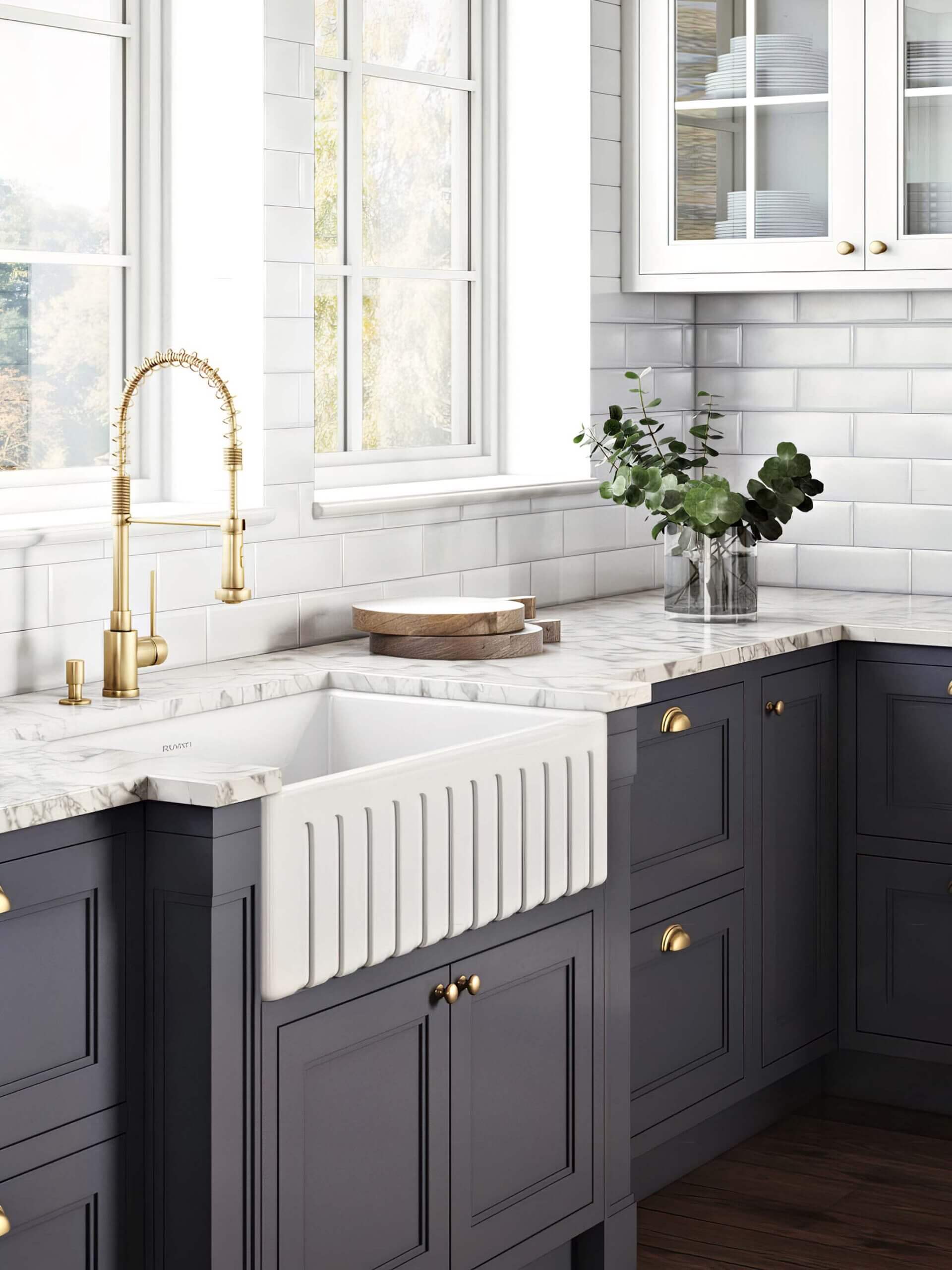
- Apron-front (farmhouse) sink
- Open shelving
- Shaker-style cabinets
- Natural wood elements
- Vintage or antique accessories
Budget Impact: Low to Moderate
- Can be budget-friendly with creative DIY projects
- Repurposed or salvaged materials can reduce costs
- Simple cabinet styles are often less expensive
Cost-saving tip: Use butcher block for some countertop areas and incorporate open shelving to reduce cabinetry costs.
- Contemporary
Contemporary kitchens blend modern aesthetics with current trends, featuring sleek lines and innovative materials.
Characteristics:
- Frameless cabinets
- Alternative materials (concrete, stainless steel)
- Bold color accents
- Geometric patterns
Budget Impact: Moderate to High
- Unique materials can be costly
- Custom designs may increase labor costs
- High-tech appliances often preferred, adding to expenses
Cost-saving tip: Use laminate or thermofoil cabinets to achieve a sleek look at a lower cost.
- Transitional
Transitional kitchens bridge the gap between traditional and contemporary styles, offering a balanced, versatile look.
Characteristics:
- Mix of traditional and modern elements
- Neutral color palettes
- Simple, clean lines with some decorative details
- Combination of natural and man-made materials
- Accommodates casual dining areas with seating arrangements like stools or banquettes
Budget Impact: Moderate
- Costs can be controlled by balancing high-end and budget-friendly elements
- Versatile style allows for cost-effective material choices
Cost-saving tip: Choose stock cabinets with simple, clean lines and invest in a statement backsplash or light fixture as a focal point.
It is important to consider how your chosen style aligns with your budget. Remember that within each style, there’s room for customization and cost adjustment. Looking at the key elements of each aesthetic and their potential impact on your budget, can help you make informed decisions that balance your design preferences with your financial constraints.
Key Components and Their Costs: Kitchen Island
Understanding the costs associated with each element of your kitchen remodel is crucial for effective budgeting. Kitchen remodels vary greatly in cost and scope, depending on factors such as changing the kitchen’s layout or simply updating its existing features. Let’s dive into the key components and their potential costs to help you plan your renovation wisely.
- Cabinetry: The Face of Your Kitchen
Cabinetry often consumes the largest portion of a kitchen remodel budget, typically accounting for 20-40% of total costs.
Options and Costs:
- Stock cabinets: $100 – $300 per linear foot
- Semi-custom cabinets: $150 – $650 per linear foot
- Custom cabinets: $500 – $1,200+ per linear foot
- Refacing existing cabinets: $4,000 – $9,500 for an average kitchen
Cost-saving tip: Consider a mix of open shelving and cabinets to reduce overall cabinetry costs.
- Countertops: Balancing Beauty and Functionality
Countertops can significantly impact both the aesthetics and functionality of your kitchen, typically accounting for 10-15% of the total budget.
Popular Materials and Costs:
- Laminate: $800 – $1,650
- Granite: $2,000 – $4,500
- Quartz: $2,000 – $5,000
- Marble: $2,000 – $7,000
- Butcher block: $1,000 – $4,000
- Concrete: $2,600 – $5,300
Cost-saving tip: Use a more expensive material for a smaller island countertop and a less expensive option for the main counters.
- Appliances: From Basic to High-Tech
Appliances typically account for 10-20% of the total kitchen remodel budget, depending on the quality and features chosen.
Options:
- Budget package: $3,000 – $5,000
- Mid-range package: $10,000 – $15,000
- Luxury package: $20,000+
Individual Appliance Costs:
- Refrigerator: $500 – $5,000+
- Range/Oven: $400 – $3,000+
- Dishwasher: $300 – $2,000+
- Microwave: $100 – $1,000+
Cost-saving tip: Look for energy-efficient models that may offer rebates and long-term savings on utility bills.
- Flooring: The Foundation of Your Design
Flooring typically accounts for 7-10% of the kitchen remodel budget.
Popular Options and Costs (per square foot):
- Vinyl: $2 – $7
- Laminate: $3 – $7
- Ceramic tile: $5 – $10
- Hardwood: $8 – $15
- Natural stone: $15 – $30
Cost-saving tip: Consider luxury vinyl tile (LVT) that mimics the look of more expensive materials at a fraction of the cost.
- Lighting: Illuminating Your Space
Lighting usually accounts for 5-10% of the total budget.
Types and Costs:
- Recessed lights: $100 – $200 per light installed
- Pendant lights: $100 – $800+ each
- Under-cabinet lighting: $200 – $1,000 for a typical kitchen
Cost-saving tip: Use a mix of ambient and task lighting to create a well-lit space without overspending on fixtures.
- Plumbing Fixtures: Faucets and Sinks
Plumbing fixtures typically account for 4-5% of the total budget.
Options and Costs:
- Kitchen faucets: $150 – $1,000+
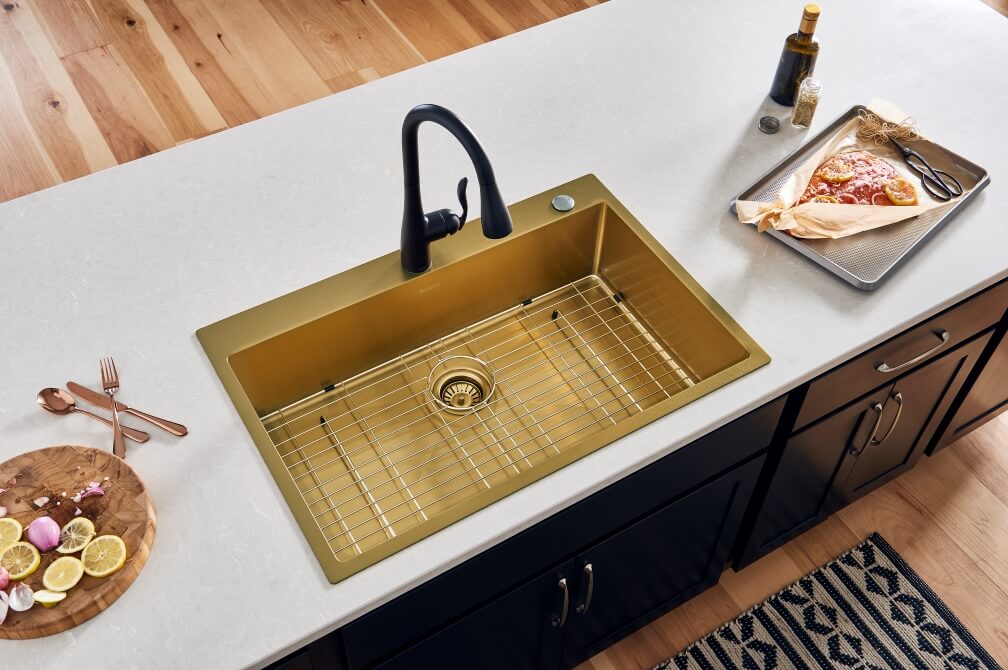
- Kitchen sinks: $200 – $1,000+
- Farmhouse sink: $400 – $2,000+
Cost-saving tip: Choose a mid-range faucet with desired features rather than the most expensive model.
- Backsplash: Adding Personality to your Walls
Backsplashes usually account for 1-2% of the total budget.
Material Options and Costs (per square foot):
- Ceramic tile: $5 – $15
- Glass tile: $10 – $30
- Natural stone: $15 – $30
- Stainless steel: $20 – $35
Cost-saving tip: Use a more expensive tile as an accent within a field of less expensive tiles.
- Labor Costs: The Invisible but Crucial Component
Labor typically accounts for 15-30% of the total budget, varying based on project complexity and location.Typical Labor Costs:
- General contractor: 10-20% of total project cost
- Electrician: $50 – $100 per hour
- Plumber: $45 – $200 per hour
- Carpenter: $70 – $120 per hour
Cost-saving tip: Consider doing some of the demolition or painting yourself to reduce labor costs.
Remember, prices can vary significantly based on your location, the quality of materials chosen, and the complexity of your project. Always get multiple quotes from reputable contractors and suppliers to ensure you’re getting the best value for your investment.
Choosing the Right Materials and Fixtures
Selecting the right materials and fixtures is crucial for creating a beautiful and functional kitchen. Here are some tips to help you make the best choices:
- Quartz Countertops: Quartz countertops are a popular choice due to their durability and low maintenance. They come in a wide range of colors and patterns, making it easy to find a style that complements your kitchen design.
- White Cabinets: White cabinets are timeless and versatile, creating a sense of openness and brightness in the kitchen. They can be paired with various countertop materials and fixtures to achieve different looks, from modern to traditional.
- Subway Tile Backsplash: A subway tile backsplash is a classic and timeless choice that adds a clean and polished look to your kitchen. It’s easy to clean and maintain, making it a practical option for busy kitchens.
- Kitchen Island: A kitchen island can be a focal point in your kitchen, providing additional counter space and storage. Choose an island that complements your overall design and meets your functional needs.
- Classic Materials: Incorporating classic materials like wood and stone can add warmth and character to your kitchen. These materials are not only aesthetically pleasing but also durable and long-lasting.
- Focal Point: Create a focal point in your kitchen, such as a decorative range hood or a statement light fixture. This element can draw the eye and add visual interest to the space.
- Entertain Guests: If you love to entertain guests, design your kitchen with features like a large island or peninsula, a built-in wine cooler, and ample seating. These elements can make your kitchen a welcoming space for socializing and hosting gatherings.
- Kitchen Design Ideas: Consider hiring an interior designer to help you create a unique and functional kitchen design. An interior designer can provide valuable insights and ideas that you may not have considered.
- Makes Sense: Ensure your kitchen design makes sense by including features like a logical workflow, ample storage, and easy-to-use fixtures. A well-thought-out design can make your kitchen more enjoyable and efficient to use.
- Kitchen Designs: Explore different kitchen designs to find one that suits your style and needs. Whether you prefer a modern, traditional, or transitional look, there are many options to choose from.
- Small Kitchen: Designing a small kitchen can be challenging, but with the right tips and tricks, you can make the most of the space. Consider using light colors, open shelving, and compact appliances to create a functional and visually appealing kitchen.
- Cabinets: Cabinets are a crucial element in any kitchen, providing storage and counter space. Choose cabinets that fit your style and budget, and consider options like stock, semi-custom, or custom cabinetry.
- Cabinet: A well-designed cabinet can be both beautiful and functional, offering storage and enhancing the overall look of your kitchen. Consider features like soft-close hinges and pull-out shelves for added convenience.
- Cabinetry: Custom cabinetry can be tailored to fit your specific needs and style, providing a unique and personalized touch to your kitchen. Work with a skilled cabinetmaker to create cabinetry that meets your requirements.
- Space: Make the most of the available space in your kitchen by incorporating smart storage solutions and efficient layouts. A well-designed kitchen should feel spacious and uncluttered, even if it’s small.
- Walls: Use walls to create a sense of separation and define different areas of the kitchen. Consider adding a backsplash, open shelving, or decorative elements to enhance the look of your walls.
By carefully selecting materials and fixtures, you can create a kitchen that is not only beautiful but also functional and tailored to your needs.
Planning Your Kitchen Remodel: A Step-by-Step Guide to Success
A well-planned kitchen remodel can transform your home, increase its value, and enhance your daily life. Kitchen remodels vary greatly in cost and scope, depending on factors such as changing the kitchen’s layout or simply updating its existing features. Follow this comprehensive guide to ensure your renovation project runs smoothly and achieves your desired results.
- Define Your Vision and Goals
Before diving into the details, take time to clarify your objectives:
- Identify your needs: More storage? Better workflow? Updated aesthetics?
- Collect inspiration: Use platforms like Pinterest or Houzz to gather ideas
- Consider your home’s style: Ensure the new kitchen complements your home’s overall design
Pro tip: Create a vision board combining your favorite ideas to guide your decisions throughout the project.
- Set a Realistic Budget
Establishing a clear budget is crucial for a successful remodel:
- Determine your spending limit: Consider your finances and home’s value
- Include a 10-20% buffer: This covers unexpected expenses that often arise during renovations
- Break down costs: Allocate funds to different aspects of the project (e.g., 30% for cabinets, 20% for labor)
Cost-saving tip: Prioritize your needs and wants, focusing your budget on the most impactful changes.
- Research and Plan Your Layout
A well-designed layout is key to a functional kitchen:
- Evaluate your current layout: Identify what works and what doesn’t
- Consider the work triangle: Optimize the distance between the sink, stove, and refrigerator
- Plan for adequate storage: Include a mix of drawers, cabinets, and open shelving
- Think about traffic flow: Ensure there’s enough space for multiple people to move comfortably
Design tip: Use online kitchen design tools or consult with a professional to explore different layout options.
- Choose Your Style and Materials
Select materials and finishes that align with your vision and budget:
- Cabinets: Decide between stock, semi-custom, or custom options
- Countertops: Compare durability, maintenance, and cost of different materials
- Flooring: Consider factors like durability, comfort, and water resistance
- Appliances: Research energy efficiency ratings and features
- Lighting: Plan for a mix of task, ambient, and accent lighting
Sustainability tip: Look for eco-friendly materials and Energy Star certified appliances to reduce your environmental impact.
- Hire the Right Professionals
Assembling a skilled team is crucial for a successful remodel:
- Get multiple quotes: Aim for at least three estimates from reputable contractors
- Check references: Speak with past clients and view completed projects
- Verify licenses and insurance: Ensure all professionals are properly credentialed
- Discuss timeline: Get a clear understanding of the project duration and milestones
Hiring tip: Don’t automatically choose the lowest bid; consider the contractor’s experience, communication style, and ability to bring your vision to life. Need more insight? Refer to our article on choosing the best kitchen contractor for your job.
- Obtain Necessary Permits
Ensure your project complies with local regulations:
- Research local requirements: Contact your city’s building department for information
- Apply for permits: This typically includes building, electrical, and plumbing permits
- Schedule inspections: Plan for required inspections throughout the renovation process
Legal tip: Never skip permits to save time or money; it can lead to costly issues when selling your home.
- Prepare for the Renovation
Set yourself up for a smoother remodeling process:
- Create a temporary kitchen: Set up a functional space with essentials like a microwave and mini-fridge
- Clear the work area: Remove all items from the kitchen and adjacent areas
- Protect your home: Cover floors and seal off the renovation area to minimize dust and debris
- Plan for debris removal: Arrange for a dumpster or hauling service
Practical tip: Consider the impact on your daily routine and make necessary adjustments, such as budgeting for more meals out during the renovation.
- Monitor Progress and Communicate Effectively
Stay involved throughout the remodeling process:
- Schedule regular check-ins: Meet with your contractor to discuss progress and address any issues
- Be available for questions: Promptly respond to inquiries to avoid delays
- Document changes: Keep a record of any modifications to the original plan
- Address concerns immediately: Don’t wait to bring up issues; early communication can prevent costly mistakes
Communication tip: Establish a preferred method of communication (e.g., email, text, phone calls) with your contractor from the start.
- Prepare for the Final Stages
As your project nears completion:
- Create a punch list: Note any outstanding items or areas needing touch-ups
- Schedule final inspections: Ensure all work passes required inspections
- Plan for deep cleaning: Arrange for thorough cleaning before moving back in
- Organize your new space: Take time to set up your kitchen efficiently
Organization tip: Use drawer organizers and cabinet inserts to maximize storage in your new kitchen.
Thorough planning and clear communication are key to bringing your dream kitchen to life while staying on budget and minimizing stress.
Bringing Your Dream Kitchen to Life
A kitchen remodel is more than just a home improvement project—it’s an investment in your daily life and your property’s future. Kitchen remodels vary greatly in cost and scope, depending on whether you are changing the kitchen’s layout or simply updating its existing features. As we’ve explored, understanding the intricacies of budgeting, design trends, and cost-saving strategies is crucial for a successful renovation.
Key takeaways to remember:
- Budgeting is critical: Set a realistic budget with a 10-20% buffer for unexpected costs.
- Prioritize wisely: Focus on elements that offer the best return on investment, both in terms of functionality and home value.
- Balance trends with timelessness: Incorporate current design trends thoughtfully, ensuring your kitchen won’t feel outdated in a few years.
- Quality matters: Invest in high-quality materials and craftsmanship for longevity and durability.
- Professional guidance is invaluable: Don’t hesitate to consult with experts for insights and to avoid costly mistakes.
Your kitchen is the heart of your home. It’s where memories are made, meals are shared, and life happens. By carefully planning your remodel, you’re not just updating a space—you’re enhancing your lifestyle and creating a sanctuary that reflects your personal style and meets your family’s needs.
As you embark on this exciting journey, stay flexible, keep your goals in sight, and enjoy the process of watching your dream kitchen come to life. With thoughtful planning and execution, your new kitchen will not only add value to your home but will become a cherished space for years to come.